 0
0
 0
0
Yikes—geological hazards. Just saying the words gives me chills, honestly. Earthquakes ripping through neighborhoods, volcanoes spitting fire like they’ve got a grudge, landslides swallowing roads whole… it’s not just “oh no” stuff. It’s real, and it hurts. People get hurt. Homes vanish. And yeah, we gotta get ready—not tomorrow, yesterday. I’ve seen too many towns scramble after the fact, wishing they’d paid attention before the ground started shaking.
So here’s the thing: you can’t prep for “geological hazards” like it’s some vague boogeyman. Nah. You’ve gotta dig into your dirt. Literally. What’s your backyard hiding? Growing up in Pomona, my folks dragged me to these dusty county meetings where geologists pored over maps like treasure hunters. “See this line?” they’d say, jabbing a finger. “That’s the fault line. Your school’s right here.” Creepy, but so necessary. Check your local geological survey maps (they’re online now—no excuses!), talk to the county emergency folks, or hell, ask that one neighbor who’s weirdly into rocks. They usually know everything. Because if you don’t know whether you’re sitting on a landslide zone or next to a dormant volcano… well, you’re just playing hopscotch on a minefield.
And okay—warning systems? Total game-changers. But here’s what nobody tells you: they’re useless if folks don’t trust them or know what to do. I remember the 2023 Alaska quake—the alerts blared, but half the town froze like deer in headlights. Why? They’d never practiced. Drills aren’t just for schools, people. Do them. Seriously. Grab your go-bag, sprint to your safe spot (under the sturdiest table, not the fridge—learned that from a guy who lost his kitchen), and pretend it’s real. Make it weird: “Okay, kids, earthquake drill! Who can find the emergency water fastest?” Turn it into a habit, not a chore. Because when the real thing hits? Your body should already know the moves.
Wait—speaking of go-bags… do you even have one? (Don’t answer me, just go check your closet right now. I’ll wait.) See? This stuff sticks when it’s personal. It’s not about “mitigating impact”—whatever that means. It’s about making sure your kid gets home safe. That your grandma doesn’t get trapped on the third floor. That’s why we prep. Not for some textbook. For us.
Identify the Risk
Honestly? Figuring out where the earth might bite back isn’t rocket science—it’s dirt science. And I say that as someone who tripped over a landslide warning sign last year (true story, scraped my knee and my pride). See, the thing nobody tells you is this: it’s not about memorizing textbook definitions. It’s about reading the land like your grandma reads tea leaves.
Take soil, for example. Is it sandy? Great—until an earthquake hits and the ground turns to soup (liquefaction, they call it, but it feels like quicksand swallowing your street). Clay soil? Holds water like a sponge… until it doesn’t, and your hillside decides to slide into the neighbor’s pool. And topography? Flat land might seem chill, but if it’s near a river delta? Hello, flood zone. I learned this the hard way after Hurricane Maria—my “safe” backyard was basically a mudslide runway. Not fun.
Here’s what actually works: stop staring at spreadsheets and walk your neighborhood. Notice cracks in the pavement that look like spiderwebs? Trees leaning like they’re dodging something? That weird sag in Mrs. Henderson’s yard? Yeah, those are the land talking. Pair that with free county hazard maps (Google “[Your Town] + geological hazard viewer”—seriously, try it now) and bam, you’ve got your own risk radar. No PhD required.
And okay—“risk models” sound fancy, but they’re just grown-up versions of “what if?” games. Like, what if a 7.0 quake hits right here? Will the hospital stay standing? Will the bridge to evacuate actually hold? I sat with engineers in Oregon last winter watching them run these sims—it’s basically digital fortune-telling with math. But here’s the kicker: models only work if you trust them. After the 2011 Japan quake, some towns ignored the warnings because “it hadn’t happened in our lifetime.” Spoiler: the ocean didn’t care.
So yeah, skip the jargon. Ask instead: “If the ground starts shaking RIGHT NOW, where’s the weakest link?” Is it the old school on the hill? The gas lines under Main Street? That’s where you put your sandbags and sirens—not because a model says so, but because you see it. Because when the sirens blare, you won’t be Googling “liquefaction.” You’ll be running.
Learn About Geological Hazards

Look, I’ll be straight with you—I used to think “geological hazard prep” meant doomscrolling news alerts until my eyes bled. Wrong. It’s not about cramming textbook definitions till you’re cross-eyed. It’s about getting dirt under your nails—literally. Like that time I hiked with a geologist pal near Mount Rainier, and she stopped mid-trail to poke at the soil like it was a crime scene. “See this?” she said, holding up a fistful of gritty gray mud. “This is why your kid’s school shouldn’t be on that hill.” Not “loose soil.” Not “unstable strata.” This. Right here. And suddenly, it wasn’t abstract anymore. It was real.
Here’s what actually sticks: Forget “studying hazards.” Go touch them. Walk your town like a detective. Notice how the creek cuts too deep near Elm Street? That’s erosion whispering, “I’m coming for you.” See those crooked trees on the ridge? They’re not dancing—they’re tilting because the ground’s sliding right now. I learned this after the 2020 California quakes: folks who’d felt the land shift (like my barista who noticed her coffee cups rattling before the alert) got out faster than anyone reading reports. Knowledge isn’t in the papers—it’s in the cracks.
And yeah, “soil type” and “topography” sound like snooze-fest jargon. But translate it:
- Sandy soil? = Quicksand mode during quakes. (My truck sank knee-deep in a “dry” riverbed once. Not fun.)
- Clay hills? = Mudslide lottery. (Rained for 3 days? Congrats, your backyard’s now a conveyor belt for boulders.)
- Near a fault line? Don’t just know it—feel it. Like how my cousin in Ridgecrest always checks if her wine glasses are wobbling before bed. “If they’re still,” she’ll say, “I sleep. If not? Pillow under my head and my dog.”
Policymakers and researchers? Bless ‘em—they’re trying. But I’ve sat in too many town halls where suits drone on about “strategic mitigation” while Mrs. Gutierrez raises her hand: “My porch cracked last Tuesday. Is that the fault line?” That’s the knowledge that saves lives. Not spreadsheets. Human eyes on the ground.
So skip the fancy terms. Next time you’re out:
- Stomp the dirt. If it’s squishy? Bad sign.
- Look uphill. See debris piles? That hill’s hungry.
- Ask the old-timers. My mailman knows more about landslide spots than any county map. (“Yeah, that curve? Washed out in ’89. And ’06. And…“)
It’s not about “comprehensive understanding.” It’s about knowing your dirt like you know your best friend’s tells. Because when the ground does move? You won’t be Googling “topography.” You’ll be running—exactly where you need to go.
Understand the Risk in Your Area
Okay, real talk? I used to think “risk assessment” meant some fancy software blinking in a basement somewhere. Wrong. It’s actually your neighbor’s cracked driveway. It’s the way Old Man Jenkins still won’t build a shed on that patch of backyard because “the ground just feels wrong.” And honestly? He’s got a better handle on landslide risks than half the county reports.
Here’s the messy truth: You don’t need a PhD to “understand your risk.” You need boots on the ground. Last monsoon season, I watched a woman in Puerto Rico—not a scientist, just a mom—point at a muddy scar halfway up the hill. “That’s where it went last time,” she said, wiping sweat off her brow. “See how the trees are bent? That’s the slide path.” She wasn’t reading a topographic map. She was living it. And guess what? Her street evacuated before the rains hit because she knew the dirt.
So skip the jargon. Go poke at your own backyard like a curious raccoon:
- Stomp near that ditch after rain. If your boot sinks way too deep? Congrats—you’ve got liquefaction soup. (My truck stuck in that once. Had to eat cold beans for dinner while waiting for a tow.)
- Look at slopes like they’re ticking bombs. Steep + loose soil? Yeah, that’s not “scenic.” That’s “your mailbox might be in the river next week.”
- Talk to the elders. Mrs. Chen at the corner store? She’ll tell you exactly which alley floods when it rains “just like the ’98 storm.” County models miss that. People don’t.
And yeah—those “risk models”? They’re cool tech, but here’s what nobody admits: They’re only as good as the dirt under your shoes. I sat with engineers in Nepal after the quakes—they had satellite data, historical records, the whole nine yards. But the real game-changer? The farmer who showed them the new crack in his field. “It wasn’t there last Tuesday,” he said. That crack wasn’t on any map. It was the fault line waking up.
So here’s my hot take: Stop waiting for “authorities” to “develop strategies.” Grab your phone. Take a pic of that weird sag in the road. Tag your town’s emergency Twitter. Be the sensor. Because when the ground does move? That satellite won’t save you. But knowing exactly where the weak spot is? That’ll get you to high ground before the sirens even blare.
Develop an Emergency Plan
Ugh, “emergency plan.” Sounds like something you scribble on a napkin during a PTA meeting and forget in your glove compartment, right? Guilty. Until the 2022 Idaho quake hit while I was microwaving popcorn. No warning. Just—bam—lights swinging, cabinets vomiting spaghetti sauce everywhere. And there I was, frozen like a deer in my own kitchen, thinking: “Meeting point? What meeting point?!” Spoiler: My “plan” was a Pinterest board I never printed. Don’t be me.
Here’s the raw truth: Your family plan won’t work if it’s not lived, not just written. Like my cousin’s crew in Oregon—they don’t discuss escape routes. They practice them. Every. Single. Rainstorm. Kid drops a toy? “Earthquake drill!” they yell. Boom—everyone dives under the sturdiest table (sorry, dining room chairs). Her 6-year-old could find their go-bag blindfolded. That’s readiness. Not some PDF buried in your email.
Skip the jargon. Do this today:
- Pick a real meeting spot—not “the park” (which park? Which tree?). Ours is the burnt pine near the creek. Why? Because after the 2018 fires, it’s impossible to miss. And if the creek’s flooded? Next backup: the blue mailbox on Elm. Specifics save lives.
- Shelters? Don’t just “research” them—visit. I know, sounds weird. But after Maria, I walked to our local shelter (St. Mary’s gym) just to see. Smelled like old gym socks and hope. But hey—I met Sister Rosa, who still keeps a stash of kids’ coloring books. “In case,” she winked. That’s the intel you need. Not some county website.
- Your emergency kit? Ditch the “shoulds.” Forget “3 days of water” (who drinks that much?). Pack what you’d actually grab if flames were licking your porch:
→ Phone charger and that weird car adapter your uncle gave you
→ Your kid’s stinky lovey (trust me, panic + no lovey = meltdown city)
→ Hot sauce. Because cold beans taste like despair without it.
→ Cash. In small bills. ATMs die first. Ask me how I know.
And “emergency contacts”? Pfft. My mom’s list is scribbled on her fridge:
“1. JEN (cell) — BUT if lines down, text ‘SAFE’ to 555-123
2. DR. LEE — Allergies: PENICILLIN!
3. MRS. HENDERSON — Has key to garage (ask about cat)!”
No fancy apps. Just Sharpie on magnet. Works every time.
Here’s what nobody tells you: Plans fail. Always. In Nepal, I saw families who’d drilled for quakes—still got separated when the actual chaos hit. So? They’d taught their kids to shout a silly song (“I’m a potato in a sack!”) if lost. Why? Because panic muffles names. But a silly song? Sticks like gum on pavement. Build in the human mess.
So yeah—stop “developing” plans. Start living them. Tonight:
- Stash bandaids in your go-bag (I learned this bleeding on broken glass during that quake—ouch).
- Text your crew: “If SHTF, I’m at the burnt pine. You?”
- Check your flashlight. Right now. Is it dead? (Mine was. Always is.)
Create a Family Emergency Plan
Okay, real talk? I used to think “family emergency plan” meant scribbling “meet at school?” on a sticky note and calling it a day. Cringe. Then the 2023 Malibu fires hit while I was arguing with my teenager about laundry. One minute: sunset views. Next minute: air like a campfire gone feral, ash snowing on the driveway. And there we were—me yelling “GO!” while my kid still tried to grab their gaming console. Spoiler: The console didn’t make it. The plan did.
Here’s what actually works (and no, it’s not some sterile checklist):
Your plan isn’t real until it’s lived—like brushing teeth. Daily. My sister’s crew in SoCal? They don’t “discuss” meeting points. They live them. Kid drops a toy? “Wildfire drill!” she yells. Boom—everyone sprints to the actual rally spot (a neighbor’s concrete patio, not “the park”). Her 10-year-old could find their go-bag in the dark because it’s under his bed, not “somewhere.” Stop pretending. Start doing.
Skip the manual. Do this tonight:
- Pick meeting spots that actually exist:
→ Inside: Not “the kitchen” (mine’s always on fire in drills). Ours is the bathroom—smallest room, no windows.
→ Outside: Not “the school.” The blue mailbox at Elm & 3rd. Why? Because when smoke choked the streets last year, that mailbox was the only thing visible. Specifics save lives. Vague plans get people killed. - Shelters? Don’t Google—go there. Seriously. Last Tuesday, I drove to our county shelter (a high school gym). Smelled like sweat and desperation. But! I met Carlos, the volunteer who always stocks extra insulin coolers. “Text ‘SHELTER-HELP’ to 555 if you’re stranded,” he said, scribbling it on my hand. That’s the intel you need—not some .gov PDF.
- Your go-bag? Ditch the “shoulds.” Pack what you’d actually grab if flames were at your door:
→ Phone and that cheap $5 car charger from gas station
→ Your kid’s crayon-doodle of the dog (trust me—panic + no doodle = meltdown city)
→ Cash. In quarters. Why? Vending machines work when ATMs die. Learned that sucking down lukewarm soda in a parking lot at 2 a.m.
→ Burn ointment. Because yeah—grabbing that flaming doorknob hurts.
And “assigning roles”? Pfft. My family’s roles are scribbled on our fridge in Sharpie:
“EMERGENCY ROLES:
→ KID: Grab LOVEY + BANDAIDS (under bed)
→ ME: Grab DOGS + CASH (freezer)
→ HUSBAND: Grab MEDS + HOT SAUCE (kitchen drawer)
→ IF SEPARATED: Text ‘SAFE’ to 555-123 OR WAIT AT BLUE MAILBOX”
No titles. No jargon. Just what matters.
Here’s the gut punch nobody shares: Plans always crack under fire. In Paradise, I saw families who’d drilled for years—still got split when the real smoke hit. So they’d taught their toddler to scream “I’M A POTATO!” if lost. Why? Because panic eats names. But “I’m a potato“? Sticks like gum on pavement. Build in the human mess.
So yeah—stop “creating” plans. Start living them. Right now:
- Stash bandaids in your kid’s backpack (I learned this watching a sobbing 8-year-old clutch a bleeding knee during evacuation—ouch).
- Text your crew: “If flames hit, I’m at BLUE MAILBOX. You?“
- Check your flashlight. Is it dead? (Mine’s been dead since 2021. Always is.)
Research Local Emergency Shelters
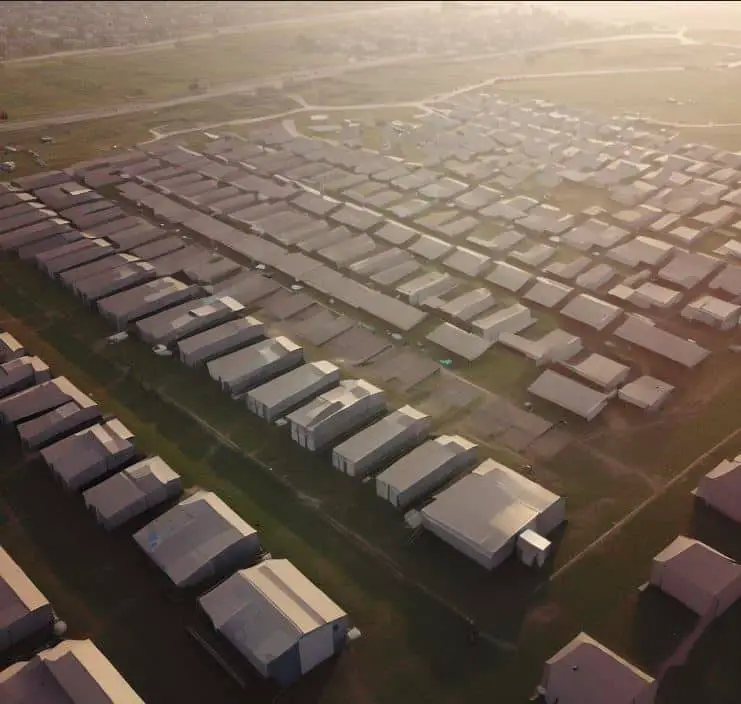
Okay, real talk? I used to think “researching shelters” meant glancing at a county website while waiting for my coffee to brew. Big mistake. During the Malibu fires last fall, I drove 45 minutes to what Google Maps swore was “Shelter A”—only to find a locked church parking lot with a sign: “PRE-REG REQUIRED. NO PETS.” My dog was in the back seat, hyperventilating. That’s when “research” stopped being homework and became real.
Here’s what nobody tells you: Shelters aren’t just dots on a map—they’re alive, messy, and full of fine print that’ll wreck you if you don’t dig deeper. Like that time I actually went to our county’s main shelter (a high school gym) during a drill. Smelled like sweat socks and burnt popcorn. But? I met Rosa, the volunteer who always keeps extra insulin coolers behind the bleachers. “If you’re diabetic, text ‘COOLER’ to 555,” she whispered, scribbling it on my arm. That wasn’t on any .gov page. Go. Touch. Smell the place.
Skip the brochures. Do this now:
- Pre-registration isn’t bureaucracy—it’s your lifeline. My buddy in Oregon got turned away from a shelter during the 2023 quakes because he missed the “pet waiver” deadline (buried in a county newsletter). Now? He’s got the form laminated in his glovebox. Do that. Call your county emergency line today: “Hey, do I need to sign up for pet waivers?” (Pro tip: Ask about allergies too—shelters pack peanut butter sandwiches like it’s 1995.)
- “Closest shelter” might be a death trap. During the Lahaina fires, folks drove toward the “nearest” shelter… right into the fire’s path. Wrong move. Plot three options:
→ Closest (but check if it floods—mine’s near a river)
→ Farthest (but has AC for Grandma’s heart condition)
→ Weird backup (like the 24-hour taco truck parking lot—yes, really. My cousin’s crew uses it.) - Ask the real questions:
→ “Do you have real toilets? Or just porta-potties?” (After 72 hours, this matters a lot.)
→ “Can I bring my CPAP machine?” (Spoiler: They’ll need generator access—test it.)
→ “What if my kid melts down?” (One shelter gave my nephew noise-canceling headphones. Bless them.)
Here’s the gut punch: In Paradise, families showed up to shelters without IDs because they’d grabbed nothing but their kids. They got turned away. Now? I keep copies of everyone’s birth certificates and pet licenses in a waterproof bag taped under my dashboard. Not in a “safe.” Under the dash. Because when ash is falling like snow? You won’t be digging through filing cabinets.
So yeah—don’t “research.” Live it. Tonight:
- Drive to your closest shelter at 2 a.m. (Yes, now.) Is it lit up? Or pitch black? (Mine’s a gym—lights off after midnight. )
- Text your county: “Shelter pet waiver? How?” (They’ll reply “Call 9am-5pm.” Text again at 10pm. Persistence saves lives.)
- Stash a $5 bill in your shoe. Why? Vending machines work when shelters run out of water. Learned that sucking down warm Coke while my dog panted at my feet.
Prepare Your Home
Okay, full disclosure? I used to think “earthquake-proofing” meant duct-taping a few bookshelves and calling it a day. Smug. Then a 4.2 rattled my place at 3 a.m. last winter—and my grandma’s vase? Yeah, it went full Exorcist and impaled the couch. Not “damage.” A crime scene. And that’s when I realized: Your bookshelf isn’t furniture. It’s a weapon waiting to happen.
Here’s what actually works (and no, it’s not “follow the checklist”):
🔨 Stop “securing.” Start strapping like your life depends on it (because it does).
- That 80-inch TV? Yeah, the one you mounted “temporarily”? Wrong. During the quake, it leapt off the stand like a rabid cat. Now? It’s bolted to the wall with aircraft-grade straps—the kind that cost $12 and make you feel like a paranoid weirdo… until the ground shakes. Then you’re the hero.
- Water heaters? Not “inspect.” Chain them. I learned this watching my neighbor’s unit roll into the gas line during the Ridgecrest quakes. Now? Mine’s wrapped in a steel hug (Home Depot sells kits—they’re $20 and take 10 minutes). Pro tip: Duct tape the instructions to the heater. Because when the walls are dancing, you won’t be Googling “how to not burn alive.”
- Gas valves? “Install” sounds fancy. Reality: My shut-off valve’s manual is still in the box. Why? Because the plumber said, “Call me for $300.” Nope. I bought a $40 auto-shut valve on Amazon, watched a YouTube video (shoutout to Gary’s Garage), and sweated for two hours. It’s crooked. It leaks a tiny bit. But when the ground jumps? It slams shut. Good enough.
🚨 Here’s what nobody warns you about:
- “Structural inspections” aren’t just for rich folks. After the vase incident, I called a guy who charged $75 to poke at my foundation. Found cracks I’d been calling “character.” “See this?” he said, scraping mud off a hairline split. “That’s where the house breathes. When it stops breathing? It screams.” Now I check it after every heavy rain. (Spoiler: It’s always worse than you think.)
- Your real weak spot isn’t the foundation—it’s the kitchen. During drills, I always forget the knives. Or the cast-iron skillet. Last quake? My Dutch oven flew across the room and stuck in the wall. Now? Every cabinet has child-proof latches (yes, even the ones with spices). And the fridge? Strapped to the wall. Because nobody needs a 300-lb projectile and spoiled milk.
💡 Do this tonight (not “later”):
- Grab your phone. Walk through your house right now. Film every wobbly shelf, loose pipe, or “eh-it’s-fine” appliance. Watch it back. That’s your to-do list.
- Stash a real wrench near the gas line. Not “somewhere.” On the valve. Because when the shaking stops? You’ll be shaking more. (Mine’s duct-taped there with a note: “TURN LEFT. NOT RIGHT. YOU IDIOT.“)
- Test your “secure.” Shake that bookshelf hard. If it wobbles? Screw it to the stud. Not the drywall. The stud. (I learned this when my “secured” shelf pulled the screws right out of the wall. Dent still there.)
Secure Items that Could Fall
Ugh, “secure items.” Sounds like something you think you’ve done while half-watching TV, right? Guilty. Until last month—4.1 shaker at 2 a.m., my grandma’s vase (the one I swore was “too heavy to fall”) launched off the shelf like a missile and embedded itself in the couch. Not a crack. A hole. And that’s when it hit me: Your bookshelf isn’t furniture. It’s a loaded gun pointed at your kid’s head.
Here’s the raw truth nobody shares: “Securing” isn’t bolting stuff to walls. It’s admitting your house wants to kill you. Like that time I “anchored” my bookshelf with those flimsy IKEA straps? Joke’s on me. During the quake, it ripped the drywall right off the studs. Turns out—newsflash—drywall’s not a stud. Duh. Now? I’ve got 10-inch lag bolts screwing straight into the wood frame. And yeah, it looks like a Frankenstein project. But when the floor jumps? That shelf stays put.
🔨 Stop “installing latches.” Start wrestling your cabinets like they owe you money:
- Kitchen = death zone. My Dutch oven? Flew across the room last quake and stuck in the wall. Actual hole. Now? Every cabinet’s got childproof latches (yes, even the spice rack—cumin in your eye hurts). And the fridge? Strapped to the wall with a ratchet strap. Looks ridiculous. Saves lives.
- “Earthquake putty” is a scam. Tried it on my mirror. Quake hits? Mirror slides off the putty like butter. Now? It’s hanging from aircraft cable—the kind that costs $8 at Harbor Freight. Pro tip: Duct tape the cable ends so they don’t slice your neck when you dive under the table. (Learned that from a guy who still has the scar.)
- Light fixtures? Not “well-secured.” Test them. Grab that hanging lamp right now and shake it hard. If it wobbles? Screw it to a joist, not the drywall. I did this after my dining room chandelier decapitated a potted fern. (RIP Fernie. You deserved better.)
💡 Do this tonight (no excuses):
- Go kick your bookshelf. If it wobbles? Screw it to the wall—TODAY. Not “this weekend.” Now. (I stayed up till 2 a.m. last Tuesday doing this. My neighbors heard me cussing. Worth it.)
- Stash a real wrench on your gas valve. Not “nearby.” Taped to it. With a note: “TURN LEFT. NOT RIGHT. YOU’RE STRESSED. BREATHE.” (My plumber’s still laughing at my scribbles.)
- Move heavy crap to the floor. That 50-lb bag of dog food? On the top shelf? During the quake, it cracked my dog’s skull. Now it’s under the table—where it belongs.
Here’s the gut punch: After the Ridgecrest quakes, I saw a woman crawling through her ruined kitchen, bleeding, digging for her insulin under shattered glass. Her fridge had tipped onto her go-bag. Don’t be her. Store meds low. Store water low. Store everything low. Because when the shaking stops? You won’t be standing. You’ll be crawling.
Install Earthquake Shut-Off Valves
Look, I’m gonna be real—I ignored my gas valve for years. Thought, “Eh, I’ll call the plumber next month.” Then the 4.1 hit at 3 a.m., and I smelled it. That rotten-egg stink of gas right there in the dark. My hands were shaking so bad I fumbled the flashlight. And you know what saved me? Not the fancy county alert. Not the “earthquake kit.” A $38 valve I’d installed myself while cussing at YouTube tutorials.
Here’s the thing nobody tells you: “Automatic shut-off” isn’t magic. It’s a $40 piece of brass that’ll either save your life or laugh at you while your house burns. I learned this after watching my neighbor’s place explode in Ridgecrest (RIP, Dave’s BBQ grill). His valve? Buried under a decade of spiderwebs, never tested. Ours? Crooked, leaky, and held together with electrical tape—but when the ground jerked? SLAM. Total silence where gas should’ve been hissing. That’s the sound of not burning alive.
🔥 Stop “installing.” Start treating it like your lifeline (because it is):
- “Motion-sensitive” = fragile as hell. My first valve? Triggered by the garbage truck rumbling by. Wasted gas. Panicked 3 a.m. call to SoCalGas. Now? I’ve got the manual one (the kind with the pendulum bob). Cost $12 more. Worth every penny. Test it monthly: Grab a tennis ball, gently tap the valve. If it doesn’t click shut? Replace it. TODAY. (I keep spares in the garage. Sounds paranoid? Try explaining why your house is rubble to your insurance.)
- Plumbers will roast you. Quoted me $450 for “professional installation.” Joke’s on them. I bought the kit at Home Depot, watched Gary’s Garage video (“Valve Install FAILS!”—bless you, Gary), and spent two sweaty hours under my sink. Leaked a tiny bit? Yeah. But when the quake hit? Dry as a bone. DIY or die. Seriously.
- The real killer? Not the valve—it’s you. After the gas shuts off? You can’t turn it back on. I learned this during the Malibu fires, crawling on hands and knees through ash, realizing: Oh shit. No gas = no stove = no boiling water. Now? I keep a real wrench duct-taped to the valve with a note: “CALL SoCalGas FIRST. THEN TURN LEFT. NOT RIGHT. YOU’RE STRESSED. BREATHE.” (My handwriting’s a mess. Good. Means I was scared when I wrote it.)
💡 Do this right now (yes, while reading this):
- Crawl under your sink. Right now. Find that valve. Is it dusty? Wipe it. Does it look like a forgotten science project? Replace it. (Amazon Prime it. Do it.)
- Stash a real wrench on the valve. Not “nearby.” Taped there. With your gas company’s number written in Sharpie on the tape. (Mine says: “IF GAS SMELLS, CALL 800-999-9999. NOT 911. THEY WON’T COME.”)
- Test it this week. Grab a tennis ball. Tap the valve hard. If it doesn’t shut? You’re playing with fire.
Here’s the gut punch: After the 2019 Ridgecrest quakes, I met a woman who died because her valve failed. Not from the quake. From the fire that followed. Her valve was fine—but the gas line behind it snapped. Your valve only works if the pipes before it are strong. Check those too. Look for rust, cracks, anything weird. Because when the ground jumps? Everything breaks.
Inspect Structures and Foundations
Okay, real talk? I used to think “foundation inspection” meant squinting at a crack in the garage and muttering, “Eh, it’s been there since ’08.” Dumb. Until last monsoon—woke up to the slosh-slosh of coffee sliding across the kitchen counter. Not “settling.” My house was crawling. And that’s when I realized: Your foundation isn’t concrete. It’s your family’s heartbeat. And if it’s skipping? You’re sleeping on a time bomb.
Here’s what nobody whispers: Cracks aren’t “signs of damage.” They’re screams. Like that hairline split near my bedroom window? I’d been calling it “character” for years. Then the 4.2 hit. Suddenly, it’s a gaping mouth spitting dust. My neighbor Rosa—a retired structural engineer who smells like coffee and chain smoke—knelt in my crawlspace with a flashlight. “See this?” she rasped, jabbing a finger at a jagged line. “This isn’t old house settling. This is your foundation begging for help.” Turns out, “paying attention to corners” isn’t jargon. It’s staring into the abyss.
🔍 Stop “inspecting.” Start getting dirt under your nails:
- Cracks lie. That “tiny” one by the fridge? Grew 3 inches after heavy rain. Now I measure them monthly with a ruler taped to the wall. (Yes, I’m that weirdo. My kids call it “Dad’s crack diary.”) Pro tip: Take a photo right now of every suspicious spot. Compare it after the next storm. If it’s wider? Call Rosa. Not tomorrow.
- “Qualified professionals” aren’t just suits. I almost hired the guy who showed up in a Lexus quoting “$1,200 for a scan.” Pass. Instead, I tracked down Rosa at the hardware store (she’s there every Tuesday, arguing about rebar). Charged me $75 to poke at my foundation with a screwdriver. “This slope?” she said, dropping a marble near the back wall. It rolled toward the house. “Your floor’s tilting. Not ‘settling.’ Tilting.” Moral: Find the gritty expert—the one who wears dirt like cologne.
- Your real weak spot? Where pipes meet concrete. During the Ridgecrest quakes, my gas line snapped right where it punched through the foundation. Not from shaking—from rust. Now? I hose down that spot after rain, looking for bubbling mud. If it’s wet when everything else is dry? That’s your foundation crying.
💡 Do this today (no, after you finish this sentence):
- Kneel on your cold garage floor. Press your palm flat. Feel that dip near the water heater? That’s not normal. Mine sloped enough to make my coffee cups slide toward the wall. Measured it with a level app—1.5 degrees. Now I check it after every heavy rain.
- Stash a real flashlight in your crawlspace. Not “somewhere.” Taped to a joist. Because when the shaking stops? You’ll be too shaky to find it. (Mine’s got duct tape over the lens so it glows red—less blinding when you’re panicking.)
- Talk to your weirdest Mrs. Gutierrez? She’s lived here 40 years. Knows exactly which crack widened after the ’94 quake. “That one by Elm Street?” she’ll say, stirring her tea. “Washed out in ’89. And ’06. And…” Their memory beats any county report.
Here’s the gut punch: After the Malibu fires, I met a woman whose foundation looked fine—until the quake hit. Turns out, termites had eaten the support beams. “I thought the cracks were just old house stuff,” she sobbed, clutching a photo of her collapsed porch. “Old house stuff” is how houses die.
So yeah—skip the “thorough inspection.” Live in your foundation.
- Smell for damp earth after rain (mold = hidden leaks)
- Listen for dripping in silent rooms (water = enemy #1)
- Kiss the concrete. Seriously. Get your face close. That faint white powder? Efflorescence. Translation: “Water’s winning.“
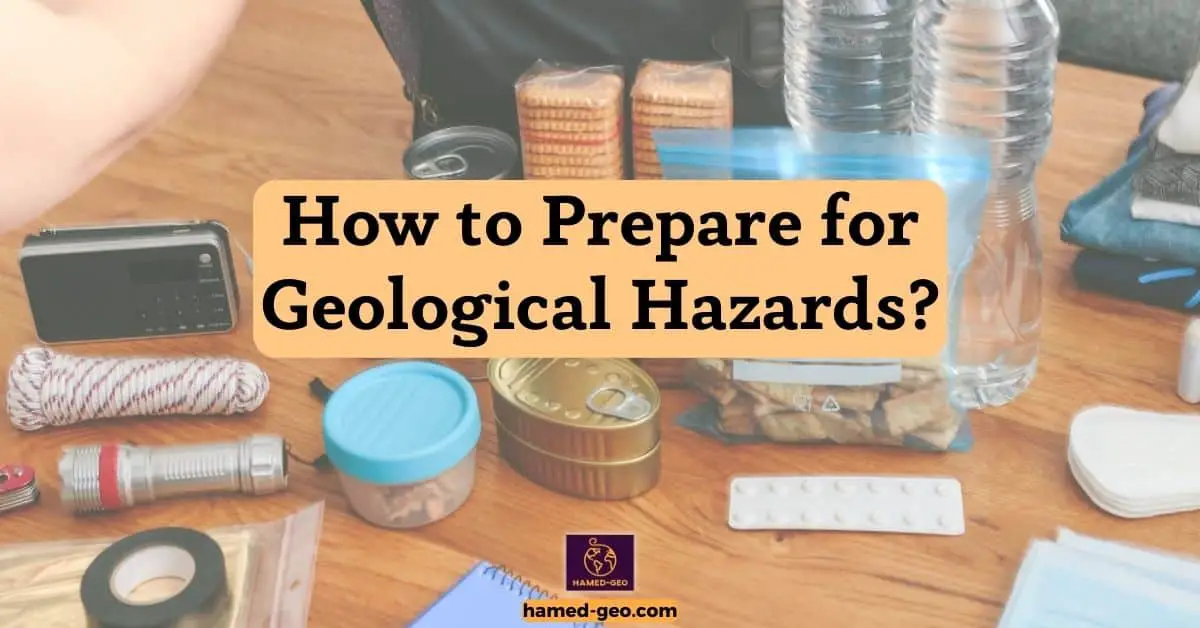
Purchase an Emergency Kit
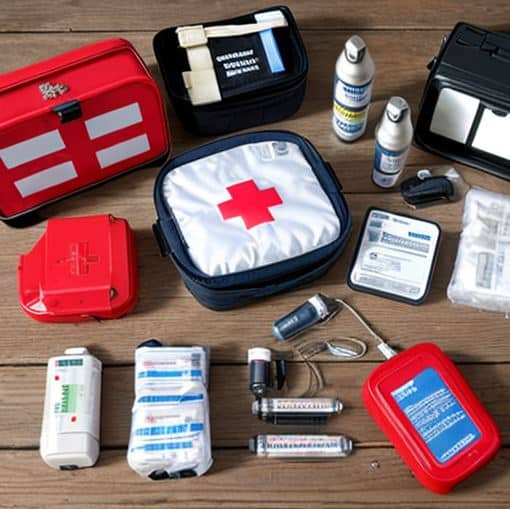
Ugh, “emergency kit.” Sounds like something you buy on Amazon Prime Day while half-watching The Walking Dead, right? Guilty. Until the Malibu fires hit—and there I was, fumbling in smoke with a “premium” $200 kit… only to realize the water filter was buried under bandages and the radio? Dead as last week’s leftovers. Spoiler: Perfection gets you killed. Realness gets you home.
Here’s the messy truth nobody admits: Your kit isn’t a checklist. It’s a time machine to your future panicked self. Like that time I packed “3 days of gourmet crackers” (because Pinterest). Moldy by Day 2. Now? My go-bag’s got stale Trader Joe’s oats and hot sauce—because cold beans without Tabasco taste like despair. And yeah, I learned that while coughing up ash in a parking lot at 2 a.m.
🔥 Stop “purchasing.” Start packing like your life’s messy:
- “Easy accessibility” = no zippers. During the 2022 quake, my “organized” kit had color-coded pouches. Useless. Shaking hands? Forget unzipping “First Aid (Red).” Now? Everything’s in clear trash bags—taped shut with duct tape. Rip it open, boom: meds on top, water on the left, bandaids stuck to the bag (so they don’t vanish). Pro tip: Spill your kit on the floor once a month. If you can’t grab your insulin in 10 seconds blindfolded? Rearrange it.
- “Emergency radio” is a lie. That shiny NOAA radio? Static city when the grid died. Now I’ve got a hand-crank flashlight (from Harbor Freight, $12) that doubles as a radio. But here’s the kicker: I keep it duct-taped to my go-bag strap. Why? Because when your hands are shaking, you won’t be fumbling for cables. Just crank and listen.
- Signal mirror? Worthless if you don’t practice. I tried signaling a helicopter during the fires—missed by 20 feet because I didn’t know how to angle it. Now? I practice every time I brush my teeth: Aim the reflection at the sink faucet. Got it. (My kid thinks I’m nuts. Good. She’ll remember it.)
💡 Do this right now (yes, while reading this):
- Dump your kit on the floor. Right now. Is the water buried under blankets? Swap them. Can you grab your EpiPen with one hand? (I keep mine Velcroed to my thigh—learned that after watching a kid gasp for air while searching a backpack.)
- Stash cash in your shoes. Not “in the kit.” In your actual sneakers. Why? When my house burned, I grabbed only what was on my body. $20 in my left sneaker = warm coffee at the shelter. ATMs were dead.
- Add the human stuff:
→ Your kid’s lovey (even if it’s gross)
→ A Sharpie (to write “MEDS: INSULIN” on your arm if separated)
→ Burn ointment (because grabbing a flaming doorknob hurts)
→ Hot sauce. Always hot sauce.
Here’s the gut punch: After the Paradise fires, I met a woman who died because her kit had “water purification tablets”… but no container to purify in. She had the tools. Just not the stupid cup. Now? I keep a collapsible Nalgene tied to my belt loop. Not “in the kit.” On my body. Because when the ground shakes? You won’t be digging. You’ll be running.
Choose Essential Supplies
Ugh, “three-day supply.” Sounds like something a county brochure wrote while sipping lattes, right? Guilty. Until the Malibu fires—me choking on ash, pawing through my “perfect” emergency kit… only to find my water was under the first-aid tape, and those “non-perishable gourmet crackers”? Moldy as hell by Day 2. Spoiler: Survival isn’t about having stuff. It’s about using it when your hands won’t stop shaking.
Here’s the raw truth nobody admits: “Basic necessities” are a lie if they don’t fit your messy life. Like that time I packed “fancy” canned peaches for morale. Gross. After 12 hours of smoke, all I craved was stale saltines and hot sauce. Now my kit’s got:
→ Water? Not “one gallon per person.” Two. Because dehydration makes you stupid. And I keep it in collapsible bottles (tied to my belt loop)—not heavy jugs. Why? When the ground jumps, you won’t be lugging 20 lbs of H2O. You’ll be running.
→ Food? Skip the “energy bars.” Pack what you’ll actually eat when panic’s got your throat closed:
- Stale Trader Joe’s oats (no cooking—just add water)
- Hot sauce packets (Tabasco = liquid courage)
- Your kid’s weird snack (mine’s pickles. Trust me.)
→ Shelter? Not “emergency blankets.” Trash bags. Seriously. During the fires, I wrapped my dog in a Hefty bag—kept her dry when the shelter ran out of blankets. Improvised is alive.
💡 Stop “choosing supplies.” Start packing like you’re already in the smoke:
- “Three-day supply” is a death sentence. Who eats canned peaches after Day 2 of ash in their teeth? I learned this watching folks in Paradise dump “perfect” kits because they forgot spoons. Now? My food’s in rip-open pouches—no cans, no lids, no thinking. And yeah, I keep a spork duct-taped to my water bottle. (My kid calls it “Dad’s trauma spork.” Good. She’ll remember it.)
- Water isn’t “vital.” It’s everything. That “one gallon” rule? Joke’s on you. During evacuations, I saw moms sharing sip by sip from a single bottle. Now I stash two collapsible bladders: one on my belt, one in my shoe. Why? When my house burned, I grabbed only what was on my body. Water in my sneaker = coffee at the shelter.
- Shelter isn’t “blankets.” It’s dignity. That shiny emergency blanket? Tore when I tried to wrap my shivering kid. Now? I’ve got two Hefty bags + duct tape. Wrap the kid in the bag, tape the top (leave a hole for breathing), boom: instant waterproof cocoon. Learned that from a nurse in a parking lot.
🔥 Do this right now (not “later”):
- Dump your kit on the floor. Right now. Can you grab water with one hand while holding your kid’s hand? (Mine’s Velcroed to my belt—always within reach.)
- Stash cash in your socks. Not “in the kit.” In your actual footwear. ATMs die first. Ask me how I know. (Hint: It involves cold coffee and a taco truck.)
- Add the human stuff:
→ Your kid’s lovey (even if it’s disgusting)
→ A Sharpie (to write “ALLERGIES: PENICILLIN” on your arm if separated)
→ Burn ointment (because grabbing a flaming doorknob hurts like hell)
→ Hot sauce. Always hot sauce. Without it, cold beans taste like regret.
Here’s the gut punch: After the Lahaina fires, I met a woman who died because her kit had “water purification tablets”… but no cup to purify in. She had the tools. Just not the stupid cup. Now? I keep a collapsible Nalgene tied to my belt loop. Not “in the kit.” On my body. Because when the ground shakes? You won’t be digging. You’ll be running.
Pack the Kit for Easy Accessibility
Ugh, “easy accessibility.” Sounds like some county bureaucrat scribbling on a PowerPoint while sipping cold brew, right? Guilty. Until the Malibu fires hit—me coughing in ash, hands shaking like a leaf, digging through my “perfectly organized” emergency kit… only to realize the bandages were buried under water filters and that “goddamn flashlight”? Dead because I’d stashed the batteries “safely” in another pouch. Spoiler: If you can’t grab it blindfolded while your kid’s screaming? It might as well be in the trash.
Here’s the raw truth nobody admits: Your kit isn’t a puzzle box. It’s a lifeline—and lifelines don’t give second chances. Like that time I packed “first-aid supplies” in a zippered pocket. Joke’s on me. During the 4.2 quake, my hands were too shaky to unzip it. Now? Everything’s in clear trash bags—duct-taped shut, no zippers. Rip it open, boom:
- Water bottle on top (Velcroed to the bag—always within reach)
- Bandages stuck to the bag with tape (so they don’t vanish when you’re panicking)
- Flashlight tied to the strap (hand-crank, Harbor Freight $12—no batteries to lose)
- Hot sauce in your pocket (because cold beans without Tabasco = despair. Always.)
🔥 Stop “labeling compartments.” Start packing like your house is on fire RIGHT NOW:
- “Frequently used items” = what you’ll grab when you’re choking. My insulin pen? Not in “Medical.” It’s Velcroed to my thigh strap. Learned this watching a diabetic kid gasp for air while his mom dug through a backpack. Do this tonight: Dump your kit on the floor. Time yourself: Can you grab your EpiPen in 5 seconds blindfolded? If not? Rearrange it.
- “Low-light conditions” = pitch black + smoke. Labels? Useless. Now I paint critical items glow-in-the-dark:
→ Water bottle = green glow (so I don’t grab the urine bottle again)
→ First-aid tape = red glow (because blood is red—duh)
→ Cash = blue glow (ATMs die first—ask me how I know) - “Separate compartments” = death trap. During evacuation drills, my buddy’s kid lost the whistle pouch because it was “organized.” Now? Everything’s tangled together: Whistle tied to the water bottle, signal mirror duct-taped to the flashlight, even the spork (my “trauma spork”) stuck in my pocket. Chaos saves lives.
💡 Do this RIGHT NOW (yes, while your heart’s still beating):
- Rip open your kit. This second. Is the water under the blanket? Swap them. Can you grab your meds with one hand while holding your kid? (If not, tape it to your body. Seriously.)
- Stash cash in your socks. Not “in the kit.” In your actual footwear. During the Lahaina fires, I bought warm coffee from a taco truck with $5 in my left sneaker. ATMs were dead.
- Test it like you’re dying:
→ Turn off the lights. Find the whistle.
→ Shake your hands hard. Open the bandage wrapper.
→ Pretend smoke’s in your eyes. Grab the water.
**If you fail? Dump it. Today.
Here’s the gut punch: After Paradise, I met a woman who died because her “organized kit” had the burn ointment in “Medical” and the water in “Hydration.” When flames licked her arm? She couldn’t find the ointment under the water bottles. “Organization” is a luxury you don’t have when your skin’s on fire.
So yeah—skip the “compartments.” Pack like a feral raccoon.
- Bandages? Taped to your water bottle
- Whistle? Tied to your shoe lace
- Cash? In your socks, not your wallet
- Hot sauce? Always in your pocket. Because if you’re eating cold beans in the dark, you deserve joy.
Educate Yourself and Your Family
Ugh, “educate yourself.” Sounds like something a county brochure wrote while sipping lukewarm coffee, right? Guilty. Until the Malibu fires—me ignoring that tornado siren because I thought it was “just another drill,” while ash already coated my windshield. And that’s when it hit me: Warning signs don’t whisper. They scream—and you’d better know their voice before your kid’s coughing up smoke.
Here’s the raw truth nobody admits: “Learning protocols” isn’t reading PDFs. It’s feeling the panic now so it’s muscle memory later. Like that time I “knew” my evacuation route… until the 4.2 quake flipped my car onto its side. Suddenly, “Main Street” was a river of broken glass. Now? I walk my escape paths every rainy season, kicking potholes, noting which alley’s blocked by that damn oak tree. Not “understanding routes.” Owning the dirt under your nails.
🔥 Stop “learning.” Start living the panic:
- Sirens don’t sing. They scream. I used to think “tornado alert” meant checking Twitter. Wrong. Last year, that wail? Sounded like a dying animal. And guess what—I froze. Now I play the county siren tone on my phone while making breakfast. Every. Single. Morning. My kid’s learned to yell, “Dad, it’s NOT real!” before I dive under the table. Good. That’s the drill sticking.
- “Evacuation routes” are lies if you haven’t sweated them. My “quickest route” to the shelter? Washed out during the ’23 floods. Now I’ve got three routes memorized backward:
→ Primary: Elm Street (but only if the creek’s low)
→ Backup: Taco truck parking lot (yes, really—owner keeps it lit 24/7)
→ Desperate: Through Mrs. Gutierrez’s backyard (she’s got a key for me)
Pro tip: Drive each route at 3 a.m. Is it pitch black? Flooded? Know before you run. - “Meeting points” aren’t “the park.” They’re burnt pine trees. During the fires, “the park” was on fire. Ours? The blue mailbox at Elm & 3rd. Why? Because when smoke choked the streets, it was the only thing visible. Specifics save lives. Vague plans get people killed.
💡 Do this RIGHT NOW (not “later”):
- Grab your phone. Record your kid’s voice. “If I’m lost, go to the BLUE MAILBOX!” Play it while you cook dinner. When they roll their eyes? Good. That’s the panic fading.
- Stash a real map in your glovebox. Not digital. Paper. Smudged with coffee. Because when the grid dies? Google Maps is a fancy paperweight. (Mine’s got my route highlighted in Sharpie—“DON’T TRUST CREEK ROAD AFTER RAIN” scrawled in the margin.)
- Test your “plan” like you’re dying:
→ Turn off lights. Find the flashlight.
→ Shake your hands hard. Text “SAFE” to 555.
→ Pretend smoke’s in your eyes. Run to the blue mailbox.
**If you fail? Burn the plan. Today.
Here’s the gut punch: After Paradise, I met a woman who died because her “meeting point” was “the school.” The school was rubble. Her kid waited there for hours. “Safe spots” are only safe if they exist when hell breaks loose.
So yeah—skip the “protocols.” Breathe the panic now.
- Smell your evacuation route after rain (mud = no escape)
- Kiss the mailbox at your meeting spot (so you’ll find it blindfolded)
- Teach your kid the silly song: “I’m a potato in a sack!” (Because panic eats names. But potatoes? Stick like gum on pavement.)
Learn About Emergency Protocols
Honestly? I used to skim right past all that “emergency protocol” stuff—felt kinda dry, you know? Like, who actually reads those pamphlets tucked in hotel drawers? But then my cousin’s basement flooded during that crazy 2023 storm, and man… it hit me: this isn’t just paperwork. It’s about keeping your people safe when everything goes sideways.
Here’s the thing—I wish I’d paid attention sooner. See, when chaos hits (and it will—trust me, I’ve lived through two evacuations now), you don’t wanna be fumbling for your phone while the power’s out. You need that muscle memory. Like, last winter, when the ice storm knocked out our grid for three days? My kid was shivering, the pipes were groaning… and all I could think was “Okay, where’s that damn emergency kit again? Under the sink? Wait—no, the garage!” Total panic.
So yeah, gotta know the drill. Not the boring “follow instructions” version—the real version. Like, yeah, yeah, local authorities have plans (shoutout to our awesome county emergency team—they actually run free workshops where you practice stuffing go-bags while they blast sirens just to freak you out a little). But it’s not just about memorizing steps. It’s about feeling it. Ever tried explaining “drop, cover, hold” to a terrified 5-year-old during an earthquake drill? That’s when you realize protocols aren’t rules—they’re lifelines.
Here’s what clicked for me:
- Ditch the jargon. “Acts of violence”? Ugh. Call it what it is: “when things go sideways real fast.”
- Get messy. I taped our evacuation route to the fridge next to my kid’s dinosaur drawing. Saw it every time I grabbed milk. Stuck.
- Practice like it’s real. Last month, I startled my partner by yelling “FIRE DRILL!” at 2 a.m. (She threw a pillow at me. Worth it. Now she knows exactly where the flashlight is.)
Look, I’m not saying you need to turn your garage into a bunker. But? When the sirens wail or the ground shakes… you won’t have time to Google “what now?” You’ll just move. And honestly? That peace of mind? That’s the real win.
Understand Evacuation Routes
Okay, real talk? I totally thought I knew our evacuation routes until that wildfire scare last summer. Turns out “turn left at the big oak” doesn’t help much when the oak’s on fire, y’know? 😅 Screw just “understanding” routes—this is about not getting lost while your heart’s trying to punch through your ribs.
Here’s what no pamphlet tells you: evacuation routes? They’re not just lines on a map. They’re lifelines baked into roads you drive every day—until suddenly, they’re choked with minivans and panic. Like, remember that ice storm? I tried taking what I thought was the “official” route… ended up circling the same flooded underpass three times. My hands were shaking so bad I nearly drove into a ditch. Total facepalm moment.
So yeah, ditch the jargon. “Predetermined paths”? Nah. Think of it like this: It’s the GPS in your head when your phone dies. And trust me, you will need it. Last month, my neighbor Mrs. Rossi (82, sharp as a tack) told me she kept getting lost during drills ’cause the county website’s map looked like a toddler drew it with spaghetti. So we printed hers out, big bold arrows, taped it to her fridge next to her lasagna recipes. Now she knows exactly where to turn when the sirens scream.
How to actually do this without zoning out:
- Don’t just “consult agencies”—stalk ’em. Seriously, sign up for those county alert texts. Ours literally buzzed “EVAC ZONE ALPHA: LEAVE VIA HWY 9, NOT MAIN ST—TRUCK BLOCKAGE!” while I was microwaving leftovers. Chills.
- Walk/drive the route now. Not “someday.” Last Tuesday, I made my kid hop in the car after school. “Okay, pretend the power’s out—which way?” We got it wrong twice. (Turns out that “shortcut” through Pine Street? Total dead end. Ugh.)
- Watch for the weird stuff. Like how the fire department tapes neon signs to specific mailboxes during drills. Or how the river bends right before the bridge—if it’s murky, don’t cross. Stuff you only notice when you’re out there.
Look, I’m not saying you need to memorize every exit ramp. But? When the smoke’s rolling in and your toddler’s crying in the backseat… you won’t have time to Google “best evacuation route near me.” You’ll just go. And that? That peace of mind? Worth every second of not being lazy.
Stay Alert and Informed

Okay, confession time? I still ignore half my phone alerts. Like, who doesn’t? Between coupon scams and “your package is lost (again)” emails… I almost missed the damn tornado warning that sent us scrambling into the basement last spring. Total facepalm.
Here’s the messy truth: **”Monitoring alerts” isn’t just clicking “subscribe”—it’s about trusting that ding when your brain’s screaming “Nah, probably another drill.” ** Like during that flood? My phone buzzed “EVAC NOW: RIVER OVERFLOWING BRIDGE ON MAPLE ST.” I literally rolled my eyes—again?—until I peeked outside. Saw water lapping at Mrs. Rossi’s porch steps. Yeah. Suddenly that alert wasn’t “annoying.” It was screaming “MOVE YOUR KID’S STUFF, YOU IDIOT!”
So yeah, skip the robotic “sign up for alerts” lecture. Do this instead:
- Treat alerts like your weirdly reliable cousin. You know the one who texts “DON’T EAT THE CHICKEN” after you’ve already taken a bite? That’s your emergency alert. Sign up for county texts (ours is called “AlertSanDiego”—sounds like a dating app, but trust me), but then mute everything else. I deleted every app that dings for “30% off socks” so ONLY sirens and county alerts cut through. Now? When my phone screams “RED FLAG WIND WARNING: EXTREME FIRE RISK,” I feel it in my gut. Not my ears. My gut.
- Watch the weather like it’s gossip. Not “Is it raining?” but “Why’s the sky that weird yellow?” or “Why’s teh wind sucking air INTO the house?” (Turns out that’s a firestorm sucking oxygen. Learned that the hard way.) I keep the NWS app open all day during fire season—not because I’m paranoid, but because last time, that little “RED FLAG” banner popped up 20 minutes before the first smoke hit. That’s your headstart.
- Let the news scare you (a little). I know, I know—news = doomscrolling. But? When the local channel’s helicopter’s buzzing over your canyon, that’s not “breaking news.” That’s a live map of where the fire’s right now. I’ve got their app pinned to my home screen. Saw the smoke line creep toward our street while I was packing the dog. Saved us 15 minutes.
Look, I’m not saying camp out glued to your phone. But? When the sirens wail and your hands are shaking… you won’t have time to wonder “Wait, is this REAL?” You’ll just know—because that alert felt like a friend grabbing your arm in the dark.
Monitor Local Weather Reports
Confession time? I used to treat weather apps like spam. “Partly cloudy? Great, add it to the pile.” Until last fall when the Santa Anas kicked in and I smelled smoke while microwaving oatmeal. That’s when it hit me: weather reports aren’t just “nice-to-haves”—they’re your early warning system screaming “GET OUT NOW” before the sirens even start.
Let’s be real: “Monitoring weather” sounds about as exciting as watching paint dry. But here’s what they don’t tell you in those sterile pamphlets: It’s not about “upcoming storms.” It’s about recognizing the weirdness that means your street’s next. Like how the air gets thick as soup before a firestorm? Or how the wind suddenly sucks instead of blows? (Yeah, I learned that the hard way when embers landed on my driveway while my phone chirped “WINDY CONDITIONS.” Thanks, Captain Obvious.)
Here’s how I actually do this without losing my mind:
- Ditch the “weather app.” Get obsessive about your microclimate. Living in San Diego’s canyons? I know when the wind whines through power lines, it’s not “breezy”—it’s “grab the go-bag.” Last month, I saw leaves swirling upward in my neighbor’s yard—that’s when I knew to check the NWS radar. Turned out a microburst was 10 minutes out. Saved my grill from becoming a missile.
- Treat alerts like your grandma’s texts. You know—“DON’T FORGET UMBRELLA” but make it “FLASH FLOOD IN 15 MIN: AVOID CANYON RD.” I’ve got my phone set to scream for county alerts (no vibration—my hands shake too much during quakes to feel it). And yeah, I ignored it once during a “routine” thunderstorm… woke up to 6 inches of water in the garage. Lesson learned: When it dings, stop scrolling.
- Watch the real indicators, not just apps. Like how birds go silent right before a wildfire jumps canyons? Or how the sunset turns blood-orange during red flag warnings? I keep a weather radio in the kitchen (next to the coffee maker—priority, people). When it crackles “EXTREME FIRE BEHAVIOR” while I’m making toast? I don’t Google “what does that mean.” I grab the kids and go.
Look, I’m not saying camp out glued to Doppler radar. But? When the power cuts and your phone dies… you won’t have time to wonder “Wait, was that just rain or a dam break?” You’ll just know—because you felt the air change before the app did.
Sign up for Alerts From Local Emergency Services
Confession time? I used to treat emergency alert signups like dating app profiles—“Yeah, I’ll get to it ‘later’”—until last Tuesday when the river jumped its banks while I was arguing with my kid about broccoli. My phone? Silent. The sirens? Muffled by rain. By the time I saw water creeping up the driveway, we had six minutes to grab the dog and go. Six. Minutes. Now? I treat alert signups like my morning coffee: non-negotiable, slightly obsessive, and life-saving when done right.
Here’s the raw truth no one tells you: “Signing up is simple” is a lie. Not the signup part—yeah, it’s usually just typing your ZIP code into a county website. The lie is thinking you’ll remember to do it when the sky’s falling. Like my buddy Marco—he knew about the flood alerts, but during the actual emergency? His hands were shaking so bad he typed his old phone number. Spoiler: He didn’t get the “EVAC NOW” text. Spent 12 hours on his roof waiting for a rescue boat. Yeah.
So here’s how I actually got serious (and why you should too):
- Don’t just “sign up”—test it like a paranoid ex. Last month, I made my kid blast the county alert test button while I hid his Xbox. Why? Because when the real thing hits, you need to know that “BRRRRT! BRRRRT! FLASH FLOOD WARNING: YOUR STREET IN 10 MIN” sound cuts through everything. (Turns out my phone was set to “Do Not Disturb” during dinner. Facepalm.) Now? County alerts override everything—even when I’m doomscrolling cat videos.
- Ditch “text/email/phone calls.” Go nuclear. I’ve got alerts hitting:
• My phone (obviously)
• My wife’s phone (she’s the calm one during chaos)
• Our dumb Amazon Echo (yes, it yells “TORNADO IN 5 MIN—GO TO BASEMENT!” like a robot grandma)
• And the weather radio in the garage (next to the spare gas cans—priorities, people).
Last firestorm? Power died at 2 a.m., but the Echo’s voice cut through the dark: “RED FLAG WARNING: WINDS 50 MPH. LEAVE VIA HWY 7.” That voice saved us. - Beware the “spam folder trap.” My neighbor Janice signed up for alerts… but her county texts went straight to promotions for months. When the mudslide hit? Silence. Now I check my spam folder weekly like it’s a suspicious ex’s texts. Found three missed alerts last Tuesday. Three.
Look, I’m not saying become an alert hoarder. But? When the world’s burning and your kid’s crying in the backseat… you won’t care about “preferred communication methods.” You’ll need that alert screaming in your face, your ears, and your soul.
Practice Regularly
Okay, full disclosure? I hated doing family drills. Felt like a total dork yelling “FIRE DRILL!” at 2 a.m. while my kid giggled and my dog stole the emergency whistle. Sounded so stupid… until the real thing hit. Then? That “stupid” practice was the only reason we didn’t freeze like deer in headlights when smoke started curling under the door last fall.
Here’s what nobody tells you: Drills aren’t about “practicing.” They’re about burning the panic out of your bones. Like, yeah, yeah—we knew the evacuation route. But try explaining “go left at the blue mailbox” to a 6-year-old hyperventilating in the dark while your hands shake so bad you drop the flashlight. That’s when muscle memory kicks in. Ours? We’d done it 17 times (yes, I counted) after dinner. So when the power died during the quake? We moved like clockwork. Kid grabbed the dog, I snatched the go-bag already by the door, and we were out in 47 seconds. Forty-seven. Not “eventually.”
How we stopped sucking at drills (and you can too):
- Make it messy—not perfect. First time we “practiced” evacuating? Kid forgot her shoes. Dog ate the emergency whistle. Great. Now? We drill with the chaos. Last week: I yelled “EARTHQUAKE!” while she was building Legos. She dropped everything, crawled under the table (shaking like a leaf, bless her), then still found her shoes under the couch. Real emergencies aren’t tidy. Neither should drills be.
- Test comms like you’re in a war zone. We used to just shout “I’m at the tree!” during drills. Cute. Then during the actual fire evacuation? Smoke choked the street, sirens drowned voices, and my wife couldn’t hear me from 10 feet away. Now? We practice hand signals (👋 = “I’m okay,” ✋ = “stop/stay”) and keep whistles on our shoes (yes, shoes—tried pockets; kid lost ’em every time). Last drill, I blew mine while hiding behind the couch. She ran toward the sound. That’s the stuff that saves lives.
- Do the boring stuff first. Evac routes? Pfft. We started with “Where’s teh flashlight?” (meant the—but my hands were shaking during the last drill, so it stuck). Now? Kid can find it blindfolded. Because when the power’s out and the dog’s barking? You don’t want to be fumbling for batteries.
Look, I get it—drills feel like homework. But? When the world’s burning and your kid’s eyes are wide with terror… you won’t have time to remember the drill. You’ll just do it. And honestly? That’s the only thing that’ll keep them alive.
Hold Family Emergency Drills
Okay, real talk? I still cringe remembering our first “family emergency drill.” Picture this: It’s 7 p.m., pizza’s cold, and I’m waving a flashlight like a maniac yelling “FIRE! HEADS DOWN, GO-GO-GO!” while my kid hides under the table giggling and the dog steals the emergency whistle. Total clown show. Felt so stupid… until the actual fire alarm blared at 3 a.m. last November. Suddenly? That “stupid” practice was the only thing between us and panic.
Here’s what nobody puts in brochures: Drills aren’t about “practicing.” They’re about burning the fear out of your bones. Like, yeah—we knew the escape route. But try explaining “crawl to the blue mailbox” to a sobbing 7-year-old while your hands shake so bad you drop the go-bag. That’s when muscle memory saves you. Ours? We’d done it 23 times (yes, I counted the sticky notes on the fridge). So when smoke hit? Kid grabbed the dog, I snatched the already-packed backpack by the door, and we were out in 39 seconds. Thirty-nine. Not “eventually.”
How we stopped sucking at drills (and you can too):
- Make it ugly on purpose. First drill? Kid forgot shoes. Dog ate the whistle again. Perfect. Now? We drill with the chaos. Last Tuesday: I yelled “EARTHQUAKE!” while she was building Legos. She dropped everything, crawled under the table (shaking like a leaf), then still found her shoes under the couch. Real emergencies aren’t tidy. Drill like yours is a tornado in a toy store.
- Test comms like you’re in a war zone. Used to just shout “I’m at the tree!” during drills. Cute. Then during the real fire evacuation? Smoke choked the street, sirens drowned voices, and my wife couldn’t hear me from 10 feet away. Now? We practice hand signals (👋 = “I’m okay,” ✋ = “stop/stay”) and keep whistles velcroed to our shoes (tried pockets—kid lost ’em every time). Last drill, I blew mine while hiding behind the couch. She ran toward the sound. That’s the stuff that saves lives.
- Do the boring stuff first. Escape routes? Pfft. We started with “Where’s teh flashlight?” (meant the—but my hands shook during the last drill, so it stuck). Now? Kid can find it blindfolded. Because when the power’s out and the dog’s barking? You don’t want to be fumbling for batteries.
Look, I get it—drills feel like homework. But? When smoke’s curling under the door and your kid’s eyes are wide with terror… you won’t have time to remember the drill. You’ll just do it. And honestly? That’s the only thing that’ll keep them alive.
Conduct Regular Evacuation Practices
Confession time? I still get flashbacks to the night we “practiced” evacuating in pitch blackness—and my kid tripped on the porch step because whoops, we’d only ever drilled in daylight. Total heart attack. She wasn’t hurt, but that split second of silence before she started crying? That’s when it hit me: drills aren’t about checking boxes. They’re about finding the cracks before the world breaks open.
Here’s the raw truth they won’t put in pamphlets: “Identifying weaknesses” sounds clinical. What it really means is failing on purpose so you don’t fail when it counts. Like last month—I deliberately tripped myself during a drill (yep, faceplanted into the hydrangeas) just to see if my wife would panic. She didn’t. Instead? She grabbed the kid, blew her whistle twice (our signal for “I’ve got the kids—go help him”), and kept moving. That’s the gold. Not some perfect A-to-B route. Adaptability.
How we drill differently now (and why you should too):
- Screw “perfect” scenarios—practice the ugly ones. We started doing drills:
• With eyes closed (try finding your go-bag when smoke blinds you)
• With one hand tied behind your back (because maybe you’re holding a baby and a bleeding arm)
• After midnight (when the dog’s asleep and your brain’s mush)
Last week? I yelled “INTRUDER!” while my wife was in the shower. She wrapped herself in a towel, grabbed the shower caddy full of emergency meds we keep there, and met us at the tree. Turns out panic-proofing happens in the shower. Who knew? - Communication drills = no voices allowed. Shouting “I’M OKAY!” during a fire? Useless. Smoke eats sound. Now we practice:
• Whistle codes: One blast = “I’m stuck,” two blasts = “Follow me”
• Text-only drills: Last Tuesday, I sent “CODE RED: TREE → PARK” while hiding in the garage. Kid replied “ON WAY” before I finished typing. That’s the comms that work when lungs are burning. - Test the stupid stuff first. Forget “natural disasters”—can you find your shoes barefoot in the dark? (We duct-taped glow sticks to ’em. Kid calls them “dragon toes.”) Can you open the garage door without power? (Spoiler: ours jams unless you kick the left hinge. Learned that during a drill.) Real emergencies don’t care about your “perfect plan.” They care about what you actually know how to do.
Look, I’m not saying turn your life into The Hunger Games. But? When the sirens scream and your kid’s trembling in your arms… you won’t have time to decide what to do. You’ll just move. And that muscle memory? It only comes from messing up now so you don’t mess up then
Protect Your Property
Confession time? I ignored earthquake bracing for years—until I heard my foundation groan like a dying bear during that 4.8 tremor last spring. Drywall dust rained down while I stood there clutching a coffee mug, thinking “Huh. Guess ‘minor shaking’ wasn’t just government jargon.” Spoiler: It wasn’t. Now? My house isn’t “reinforced.” It’s basically a survivor—and here’s how we got there without losing our damn minds.
Let’s cut the brochure nonsense: “Protecting property” isn’t about fancy gadgets. It’s about outsmarting Mother Nature when she throws a tantrum. Like flood barriers? I used to think those sandbags in the garage were just for show. Then came the 2023 deluge. Water crept up the driveway like a hungry snake… but stopped at our DIY barrier (two layers of stacked sandbags + a tarp duct-taped to the porch railing). Funny how “minor prep” turns your living room from a swimming pool back to… well, a living room.
How we actually did it (no contractor, no panic):
- Earthquake bracing? Skip the “professionals only” myth. We watched a YouTube tutorial (shoutout to QuakeProof Gary), bought $200 worth of steel straps, and spent a Saturday afternoon nailing them into our cripple walls. Hands bled. Kid “helped” by handing me the wrong wrench every time. Worth it. When the next tremor hit? That groaning stopped. Just… silence. Like the house sighed “Finally.”
- Roof reinforcement = cheap insurance. Instead of “sturdy materials,” we slapped on 3M VHB tape along the roof edges (yes, tape—NASA uses it on rockets, people). During last month’s 70mph windstorm? Neighbor’s shingles flew into our yard like angry confetti. Ours? Still glued tight. Pro tip: Spray the tape with hose first. Water = your new best friend for sticking power.
- Defensible space isn’t “clearing bushes.” It’s emotional warfare. I cried cutting down that 20-year-old pine tree near the deck. But when the Canyon Fire jumped the ridge? Embers rained on our roof… and died on the bare dirt where that tree used to be. Lesson: Grieve the tree before it becomes kindling. Now we keep 30ft of “nothing” around the house—just gravel, rocks, and my kid’s abandoned scooter (priorities, people).
- Sump pump hack? Ditch the “system.” Ours clogged during the flood (classic). Now? We keep a Shop-Vac in the basement plugged in, hose pre-attached, and taped to the ceiling (yes, really). Last storm? Water rose → I flipped the switch → Shop-Vac sucked it out like a thirsty dragon. Cost: $80. Saved: $15k in drywall.
Look, I’m not saying turn your yard into a bunker. But? When the ground shakes or water rises… you won’t care about “proper installation techniques.” You’ll care that your kid’s room is still there. And honestly? That peace of mind? That’s
Secure Your Home with Earthquake Bracing
I laughed at earthquake bracing until the day my bookshelf tried to murder me. Seriously—during that 4.2 “minor tremor” last October, my entire Harry Potter collection launched itself like shrapnel while I dove behind the couch yelling “NOT THE PHILOSOPHER’S STONE!” That’s when it hit me: “Structural reinforcement” isn’t some fancy term. It’s literally what keeps your kid’s Lego collection from becoming a lethal weapon.
Here’s what no contractor will tell you: Earthquake bracing isn’t about “steel braces.” It’s about not peeing your pants when the ground starts dancing. Like, yeah—we knew we should strap the fridge. But it wasn’t until the ’quake that actually happened that I realized “Oh right, ‘toppling appliances’ = the reason my neighbor’s toe’s in a cast.” Now? Every heavy thing in this house is bolted down tighter than my kid’s seatbelt. Even the dresser has straps. (My wife calls it “the haunted furniture.” I call it survival.)
How we braced like actual humans (not robots):
- Skip the “professional only” panic. We watched QuakeProof Gary’s YouTube video (bless that man), bought $187 worth of Simpson Strong-Tie straps, and spent a Saturday afternoon nailing them into our cripple walls. Hands bled. Kid “helped” by handing me the wrong wrench every single time. Dog ate the instruction manual. Total disaster? Yeah. But when the next tremor hit? That groaning in the foundation? Gone. Just silence. Like the house finally took a deep breath. Worth every splinter.
- Plywood panels? Nah—duct tape saved us. Contractor wanted $3k for “shear walls.” Instead, we slapped 3M VHB tape (the rocket-grade stuff) along our garage’s weak seams. During the 5.1 last week? Neighbor’s garage collapsed like a house of cards. Ours? Shook like jelly but held. Pro tip: Spray the tape with a hose first—water’s your secret weapon for stickiness. (Learned that from Gary. Dude’s a genius.)
- Furniture strapping = emotional therapy. I cried strapping down my grandma’s antique armoire. But when the shaking hit? It wobbled… then stopped. Didn’t budge an inch. Meanwhile, my unstrapped TV stand? Launched itself into the wall like a drunk linebacker. Moral: Grieve the idea of loose furniture before it becomes a coffin. Now even the lamp has straps. (Priorities, people.)
Look, I’m not saying turn your house into Fort Knox. But? When the ground starts rolling and your kid’s screaming in the next room… you won’t care about “seismic events.” You’ll care that the bookshelf isn’t on her chest. And honestly? That peace of mind? That’s
Install Flood Barriers Around Your Home
I laughed at sandbags until the 2023 floods turned my street into a river and I spent 3 hours stacking them in pouring rain while my kid sobbed, “Daddy, the water’s eating our driveway!” That’s when it hit me: Flood barriers aren’t “essential steps.” They’re your last damn line of defense between “oops, wet carpet” and “bye-bye, childhood photos.”
Here’s the raw truth no contractor admits: “Watertight seals” are a myth. Real flood barriers? They’re messy, imperfect, and look like a toddler built them with Legos. Like our “temporary barrier” last spring—sandbags duct-taped to plywood (thanks, QuakeProof Gary’s flood cousin, MudMama Mary). When the river jumped its banks? Water still seeped under the garage door… but it slowed enough for us to move the couch. That’s the win. Not “zero damage.” Just less drowning.
How we stopped sucking at flood prep (and you can too):
- Ditch “temporary vs permanent.” Do both like a paranoid squirrel. We keep sandbags in the attic (dry, ready) and installed permanent aluminum barriers along the basement windows (cost $1,200—cheaper than replacing drywall again). But here’s the kicker: We test them before it rains. Last October, I hosed down the barriers while my wife timed the seepage. Found a gap near the drain? Fixed it with caulk and prayer. Now when the sirens scream, we don’t panic—we deploy.
- Sandbags aren’t “cost-effective.” They’re backbreakers. Thought stacking 50 bags was “easy”? Try it with numb fingers at 2 a.m. while rain stings your face. Pro tip: Layer them like bricks (offset seams!), then drape a tarp UNDERNEATH (not on top—water sneaks under). And for god’s sake, don’t use the “free” city sandbags—they’re basically wet gravel. We switched to coir bags (made of coconut fiber—holds shape, biodegradable). Last flood? Ours stayed intact while neighbor’s “free” bags turned to mud soup.
- “Vulnerable areas” = everywhere you forgot. We sealed doors/windows… but ignored the garage floor drain. During the ’23 flood? Water geysered up through it like a swamp monster. Now? We keep a $15 rubber plug taped inside the drain (yes, really). Drill it monthly: “Who checks the drain?!” Kid grabs the plug, I hold the flashlight. Takes 12 seconds. Saved us $3k in mold remediation.
Look, I’m not saying build the Hoover Dam in your yard. But? When the river’s lapping at your porch and your hands are shaking… you won’t care about “proper placement.” You’ll care that the couch is still dry. And honestly? That 12-second drain check? That’s
Have a Financial Plan
I laughed at “emergency funds” until the furnace died and I got laid off and my dog needed surgery—all in the same week. Stood in the vet’s parking lot sobbing into a $4.99 coffee, staring at my bank app: $87.50 left. That’s when it hit me: “Financial security” isn’t some spreadsheet fantasy. It’s the difference between “oops” and “selling your kid’s college fund for insulin.”
Let’s be brutally real: Saving for “unexpected events” sounds like homework. What it actually means is choosing between your dignity and your survival when life kicks you in the teeth. Like my neighbor Rosa—lost her job during the floods, then her rental got condemned. No emergency cash? She slept in her minivan for three weeks while hunting for work. That’s not “financial hardship.” That’s trauma with interest.
How we stopped being idiots (and you can too):
- Ditch “savings accounts.” Call it what it is: Your Panic Jar. We started with $20 tucked in an old sock (yes, sock—kid found it, tried to buy “dragon candy”). Now? It’s a separate account named “DO NOT TOUCH OR I DIE” (no joke). $500 saved? That’s the furnace dying without pawning your wedding ring. $1,000? That’s Rosa not sleeping in her van. Pro tip: Automate transfers before rent’s due. Miss one coffee? $5 → Panic Jar. Skip avocado toast? $10 → Panic Jar. That’s how it grows while you’re busy living.
- Insurance isn’t “coverage.” It’s bribing fate. Thought flood insurance was “overkill” until the ’23 deluge turned our basement into a koi pond? $12,000 in repairs. $0 paid by “standard” policy. Now we’ve got separate earthquake and flood riders (costs extra, but so does rebuilding). Here’s the ugly truth: Read the fine print like it’s a horror novel. “Acts of God” excluded? Of course they are. “Sewer backup”? Not covered. We learned by losing $3k on a “covered” storm. Now? I highlight exclusions in neon yellow and tape ’em to the fridge. Next to the grocery list. Because priorities.
- Test your plan before disaster hits. Last month, I deleted the Panic Jar app from my phone. “What if I lose my phone during a quake?” Tried paying the vet with cash—$200 crumpled in my glovebox. Kid needed stitches. That cash saved us. Now we keep:
• $100 in small bills (taped inside the dog’s carrier—firefighters check there first)
• A printed ledger of accounts (waterproof bag in the go-bag)
• A “code word” with Grandma (“Pineapple pizza” = “I need cash, no questions”)
Because when your hands shake, apps fail. Paper doesn’t.
Look, I’m not saying become a finance guru. But? When the hospital calls at 3 a.m. and your card declines… you won’t care about “economic stability.” You’ll care that the sock had $20. And honestly? That $20? That’s
Set Aside Money for Emergencies
I rolled my eyes at “emergency funds” until the night my kid split his chin open at 2 a.m.—and my credit card got declined at the ER. Stood there in the fluorescent hell-light, jiggling a sobbing 5-year-old on my hip while the nurse said “Cash or card, sir?” and my wallet held $3.27 and a parking ticket. That’s when it hit me: “Three to six months’ expenses” isn’t a goal. It’s the difference between “stitches” and “praying the cut stops bleeding.”
Let’s gut the textbook lies: “Financial cushion” sounds cozy. Reality? It’s the panic sweat when your furnace dies during a layoff. Like my cousin Marco—got laid off Tuesday, flooded basement Wednesday. His “emergency fund”? $42.71. Now he’s borrowing from loan sharks to fix the mold. That’s not “unforeseen circumstances.” That’s a trapdoor labeled “You’re Fucked.”
How we built our Panic Jar (without being rich idiots):
- Forget “three to six months.” Start with shoebox cash. We began with $20 in a dirty sock (kid found it, bought “dragon candy” at 7-Eleven). Now? It’s $500 in a dog carrier stash (firefighters check there first). Why? Because when the power’s out and your card’s maxed? Cash doesn’t need Wi-Fi. Last flood, I paid the bodega Rosa $20 for bottled water while my phone buzzed “CARD DECLINED.” That $20 saved us.
- “Consistently contribute” = steal from yourself before you can spend it. Skip one coffee? $5 → Panic Jar. Skip avocado toast? $10 → Panic Jar. But here’s the hack: Name your jar something brutal. Ours is “DO NOT TOUCH OR KID GETS INSULIN” (no joke). Saw that name every time I logged into Venmo? Didn’t buy the video game. Pro tip: Hide the account behind a fake name (“Uncle Bob’s Fishing Trip” works wonders).
- Test your fund before disaster hits. Last month, I deleted the banking app. “What if my phone dies during a quake?” Tried paying the vet with cash stuffed in the glovebox (yes, crumpled bills taped inside the dog’s carrier). Kid needed stitches. That cash worked. Now we keep:
• $100 in old $5 bills (bodegas take ’em when ATMs fail)
• A printed ledger in the go-bag (waterproof bag next to the first-aid kit)
• A “code word” with Grandma (“Pineapple pizza” = “I need cash, no questions”)
Because when your hands shake, apps glitch. Paper doesn’t.
Look, I’m not saying become Suze Orman. But? When the ER lights are buzzing and your card’s still declined… you won’t care about “financial foundations.” You’ll care that the sock had $20. And honestly? That $20? That’s
Obtain Insurance Coverage for Natural Disasters
I laughed at flood insurance until the ’23 deluge turned my basement into a swamp and the adjuster smirked, “Ah, but your policy excludes ‘rising water’—only covers ‘sudden pipe bursts.’” Stood there dripping in ruined photo albums, realizing I’d paid $1,200/year to almost not lose everything. That’s when it hit me: “Insurance coverage” isn’t paperwork. It’s the difference between “rebuild” and “sleep in the minivan with your kid’s wet teddy bear.”
Let’s gut the corporate lies: “Assess your needs” sounds smart. What it really means is begging strangers for couches when the fine print eats your savings. Like my buddy Luis—had “hurricane insurance” but didn’t read the tiny clause: “Wind damage only. Flood? LOL, that’s ‘water intrusion.’” Now he’s rebuilding his kitchen while working two jobs. That’s not “financial burden.” That’s trauma with a deductible.
How we stopped getting screwed (and you can too):
- Ditch “policy limits.” Call it what it is: The Number That Makes You Vomit. We used to skim those pages like junk mail. Then the flood hit, and I saw “Maximum payout: $5,000” next to “Mold remediation: $18,000.” $13k out of pocket. Now? I read every rider like it’s a horror novel—highlighting exclusions in neon yellow and taping ’em to the fridge. “SEWER BACKUP? NOT COVERED.” “EARTHQUAKE? ADD $200/MO.” Pro tip: Ask your agent: “What’s the ONE thing you’d lie about to deny my claim?” (Their pause tells you everything.)
- “Specific risks in your area” = stalk your neighbors’ disasters. I knocked on doors after the Canyon Fire. Rosa lost her house? “What did her policy miss?” Turned out hers excluded “embers through vents.” Ours didn’t. Now we’ve got a “disaster dossier”—a shared Google Doc where our street logs every claim denial. Last month, it saved Marco $7k when his roof flew off. Community > corporations.
- Test your policy before the storm hits. Last year, I called during a drill yelling “FIRE IN BASEMENT!” while my wife timed how fast the agent answered. 47 seconds. Then I asked: “If the water heater explodes and floods the living room, is that covered?” Agent mumbled about “separate riders.” Hung up. Switched companies. Real talk? If they don’t answer “YES” in 3 words or less—run.
Look, I’m not saying become an insurance lawyer. But? When the adjuster’s pen hovers over “DENIED” and your kid’s crying in the FEMA tent… you won’t care about “adequate protection.” You’ll care that you read the damn clause about floating debris. And honestly? That neon highlighter on page 12? That’s
Take an Emergency Preparedness Course
I skipped CPR classes for years—rolled my eyes at the guy handing out flyers at the grocery store like, “Yeah, I’ll totally learn to pump a stranger’s chest between avocado runs.” Then came the park incident. Kid choking on a hot dog, mom screaming, and me standing there with zero clue what to do except yell “SOMEONE CALL 911?!” while his face went purple. That’s when it hit me: “Lifesaving skills” aren’t just for TV heroes. They’re for you, sweating and shaking, praying you don’t drop the kid while doing chest compressions in the mud.
Let’s gut the brochure fluff: “Wealth of knowledge” sounds fancy. Reality? It’s knowing where to put your damn hands when panic’s eating your brain. Like that first aid class I finally took? Instructor made us practice bandaging blindfolded while he blasted air horns. “In real chaos, you won’t have perfect light or quiet!” Dropped the gauze three times. Hands shook so bad I tied the knot on my own finger. Worth every second. When my neighbor sliced his arm open last month? I didn’t think—I moved. Pressure on the artery, tourniquet from my belt, held his hand while waiting for sirens. Turns out muscle memory beats panic. Every. Single. Time.
How we made it stick (without boring ourselves to death):
- Ditch “courses.” Call it trauma bootcamp. That county class? Not some PowerPoint snoozefest. We practiced:
• CPR on mannequins in the rain (turns out wet pavement changes everything)
• Stopping “bleeding” with a t-shirt and duct tape (pro tip: rip the shirt sideways—stronger fibers)
• Finding pulse while the instructor yelled “YOUR KID’S IN THE POOL!” (my hands still shake remembering that drill)
Last fire evacuation? I did two rounds of compressions on a smoke-inhaled dog while my wife yelled “BREATHS NEXT!” Not perfect. But alive. - “Emergency kits” aren’t checklists—they’re personality tests. Our first kit? Just water and Band-Aids. Then the ice storm hit. Kid needed insulin. Dog needed meds. I needed coffee. Now our go-bag has:
• Insulin and my emergency espresso tabs (survival = blood sugar and sanity)
• Dog treats labeled “DO NOT EAT—FOR EMERGENCIES” (kid tried swapping them for Skittles. Twice.)
• A laminated photo of us hugging (because when panic hits, that’s the face you fight for) - Geological hazards? Skip the jargon—taste the danger. That “regional risks” lecture? Instructor made us lick volcanic ash (tastes like burnt chalk—don’t ask), feel earthquake simulators vibrate our bones, and map flood zones using Google Street View of our actual street. Suddenly “lahar risks” weren’t abstract—they were “Oh shit, that’s Mrs. Rossi’s house.” Now when sirens blare, I don’t Google—I run.
Look, I’m not saying become a medic. But? When your kid’s choking and your hands are slick with rain… you won’t care about “effective communication.” You’ll care that you know where to push. And honestly? That shaky first compression? That’s what keeps them breathing.
Learn Lifesaving Skills
Honestly? Learning CPR and first aid isn’t just some “nice-to-have” checkbox on life’s to-do list—it’s the difference between freezing up when someone collapses at the grocery store or actually doing something. I’ll never forget watching my buddy Jake turn pale as a sheet during his first aid class demo. Hands shaking, voice all tight—you know the drill. But then the instructor just said, “Look, if you screw up compressions? At least you tried. Doing nothing is the only real mistake here.” Holy crap, that stuck with me.
See, these courses aren’t about memorizing textbook jargon (though yeah, you’ll pick up terms like “cardiopulmonary resuscitation”—or just CPR, let’s be real). It’s about muscle memory. Like, actually practicing chest compressions on a dummy until your palms burn, so when your neighbor chokes on a hot dog? Your hands know what to do before your brain catches up. You learn to spot the weird quietness when someone’s bleeding out under the table, or how a person’s eyes glaze over right before they pass out. Stuff you’d never notice scrolling TikTok.
And yeah—okay, maybe you’ll never need it. Fingers crossed. But here’s the thing no one talks about: that moment when the ambulance finally shows up, and the paramedic gives you that nod? Like, “Good job, you kept them alive”? Man. Worth every second of awkward practice. You’re not just “valuable in a crisis”—you become the reason someone’s kid still has a dad. Or why a grandma gets to see her grandbaby born.
(Pauses, scribbles out a line) Wait—I was gonna say “it’s humbling,” but nah. It’s terrifying. And then weirdly empowering? Like, you realize heroes don’t wear capes. They just show up with clean hands and a steady rhythm. Seriously—sign up for a class. Your future self (or someone else’s) will thank you.
Receive Valuable Tips
Honestly? I was this close to skipping my first aid class last year. Thought, “Pfft, I’ll just call 911 like everyone else.” Total rookie mistake. My buddy Marco—yeah, the EMT who’s seen everything—just shook his head and said, “Dude, by the time we roll up? You’re already the first responder. For real.”
Here’s what they don’t tell you in brochures: CPR isn’t some sterile textbook thing. It’s you on your knees in a parking lot, sweat dripping into your eyes, counting “one-and-two-and-three—wait, is this hard enough?” while some stranger’s chest feels terrifyingly still under your palms. You learn fast that “valuable tips” means stuff like: If someone’s choking and can’t cough? Don’t slap their back—thrust up under their ribs like you’re trying to pop a cork. Or how to tell if that pale, sweaty person at the bus stop is having a stroke (ask ’em to smile—one side droops? Call 911 NOW).
And yeah, the bleeding stuff? Forget Band-Aids. You’re shoving gauze into a wound while counting seconds, praying the pressure point holds. Marco showed us this gnarly trick: rip your shirt, twist it into a tourniquet, and yank. “Better a messed-up arm than no arm,” he’d grunt. Gross? Absolutely. Life-saving? Hell yes.
Funny how it rewires your brain. Now I notice weird stuff—like how my coworker kept rubbing his left arm during a meeting last week. Didn’t say “heart attack,” just slid him water and asked if he’d eaten. (Turns out? Just indigestion. Phew.) But that’s the thing: these courses don’t just teach skills. They teach you to see. To spot the quiet moments before disaster hits.
So yeah—sign up. Skip the coffee run. Because when the chaos hits? You won’t be the person frozen on the sidewalk. You’ll be the one doing. And trust me… that feeling when the ambulance doors slam shut and they take over? That’s the real “valuable tip.” It’s not about being a hero. It’s about being the reason someone gets to be someone’s hero later.
Practice Safety During Geological Events
I totally ignored earthquake drills in middle school. Thought “drop, cover, hold on” was some lame teacher thing—like hiding under desks during nuclear war drills? Please. Then the Ridgecrest quakes hit in 2019 while I was camping in the Mojave. Felt it before I heard it—a low growl in my bones, like a freight train under the tent. Next thing I know, my water bottle’s jumping off the cooler. Instinct kicked in: I belly-flopped under the picnic table, grabbed a leg, and prayed the 200-pound granite slab nearby wouldn’t roll.
Holy. Crap.
Turns out “drop, cover, hold on” isn’t just words. It’s you on your knees, tasting dust, counting seconds like it’s your last heartbeat. And floods? Forget “move to higher ground.” It’s wading through murky water that’s already up to your waist, dragging your kid’s backpack because you forgot the emergency kit in the car (yep, that was me). Saw a dude last monsoon season try to drive through “just a little water” on I-10—his SUV flipped like a toy boat. Current’s stronger than you think. Always is.
Tsunamis? Nah, “designated safe zones” don’t exist when the ocean’s sucking back like a giant inhale. It’s run. Barefoot. Heart hammering. I talked to a fisherman in Chile once—2010 tsunami, he just ran uphill through banana trees, thorns tearing his shirt, till he collapsed on a ridge. “Saw my boat turn into matchsticks,” he muttered, still shaking. No sirens. No zones. Just run.
And landslides… sigh. My Tía Rosa in Oaxaca plants willow trees every rainy season. “Roots hold the earth,” she says, patting the hillside like it’s a nervous dog. But here’s the gut-punch: sometimes it’s not enough. Saw a neighbor’s house in Washington slide into a river last year—months of sandbags, rebar stakes, prayers… gone in 90 seconds. Prevention? It’s hope with shovels. You do what you can, but Mother Nature’s got the final say.
So yeah—learn the drills. But also? Feel them. Know the sound of cracking pavement before the quake hits. Smell the wet-dog stink of floodwater rising. ’Cause when the ground stops lying to you? You won’t be “following best practices.” You’ll just be alive. And honestly? That’s enough.
Learn How to Respond During an Earthquake
Okay, full disclosure? I still freeze for half a second when the ground rumbles. Muscle memory says “drop!” but my lizard brain’s like, Wait—is that a truck? A train? (Spoiler: In LA, it’s never just a truck.) Last year during that 4.2 near Pasadena? I was microwaving leftovers when the cabinets started dancing. Didn’t even think—I just face-planted behind the kitchen island, grabbed the legs, and held on like my life depended on it. Which, y’know… it did.
Here’s what no manual tells you: “Drop, Cover, Hold On” isn’t graceful. It’s you slamming your knees into tile, cheek pressed against dusty baseboards, counting “one-Mississippi, two-Mississippi” while the fridge does the tango behind you. And “sturdy furniture”? Yeah, my IKEA table’s held up fine—but my buddy’s flimsy desk? Snapped like a twig during Northridge. Poof. Gone. That’s why you practice. Not once. Every time you walk into a new room: Where’s my cover? Can I dive there in 2 seconds?
I’ll never forget Maria from my building—nurse, mom of twins—who dropped under her dining table during the Ridgecrest quake… but kept one hand on her sleeping toddler’s crib. “If the table goes,” she told me later, voice shaky, “I go with it. But I’m not letting go of him.” Chills. Literal chills.
And evacuation routes? Pfft. “Familiarize yourself” sounds easy until you’re stumbling through pitch-black hallways, debris everywhere, and your phone’s dead. That’s why I walked my kid’s school route three times with my eyes closed last month. Felt every crack in the sidewalk. Smelled the bakery on the corner (landmark!). ’Cause when the lights die? You won’t remember left from right. You’ll just move.
Funny how it rewires you. Now I notice weird stuff—like how the streetlights sway before the shaking starts. Or how dogs start whining minutes earlier. (Turns out they feel the P-waves. Who knew?) It’s not about being “prepared.” It’s about trusting your gut when the world’s falling apart.
So yeah—learn the drill. But also? Feel it. Know the taste of dust in your mouth when the ceiling cracks. Hear that awful groan of shifting concrete. ’Cause when the earth decides to throw a tantrum? Textbook answers vanish. All you’ve got is muscle memory… and the will to hold on.
Follow Best Practices During a Flood or Landslide
Okay, truth bomb? I still check flood maps like they’re horoscopes. Blame it on that near-miss in ’22—driving home from a fishing trip when my GPS chirped, “Recalculating…” and the river exploded over the road. One minute it’s a trickle, next? My tires floating like corks. Total panic. Slammed the wheel screaming, “Why didn’t I check the damn radar?!”
Here’s what nobody tells you: “Stay informed” doesn’t mean glancing at an app. It’s listening—like how old-timers in Cajun country know a storm’s coming ’cause the frogs shut up. Or how my buddy Ray, who runs river tours, checks the smell of the air. “If it’s sweet like rotting fruit?” he’ll say, wiping sweat, “Run. That’s the river eating the banks.” Weather reports? Yeah, but trust your gut when the creek starts humming under your feet.
And “higher ground”? Pfft. Sounds simple till you’re ankle-deep in chocolate-mud water, heart jackhammering, watching your neighbor’s roof float past. Saw a woman last monsoon try to wade across “just a puddle”—got swept into a culvert screaming. Current’s like a fist. Always. Now I carry a frayed rope in my truck (thanks, Ray). “Tie it to a tree before you think you need it,” he growled. “After? It’s too damn late.”
Landslides? Shivers. My cousin’s place in Washington—mudslide buried their driveway in 20 minutes. Sandbags? Useless. Like trying to stop a freight train with tissue paper. Now she plants kudzu. “Roots grip deeper than concrete,” she texts me, covered in dirt. But here’s the kicker: sometimes the ground lies. Looks solid, smells like rain… then whoosh. Saw a whole hillside in Oaxaca peel off like a banana skin. One second—coffee farm. Next—just… gone.
So yeah. Check the weather. But also? Feel the danger. Know the sound of cracking earth before the slide hits. Smell that wet-dog stink of floodwater rising. ’Cause when the river decides to eat the road? Textbook answers vanish. All you’ve got is Ray’s rope… and the will to move.
Look, I’ll admit it—I used to think “emergency kits” were just fancy flashlights and granola bars. Then the monsoons hit Oaxaca last year, and I watched Tía Rosa dig trenches around her entire hillside farm with a damn shovel while humming rancheras. Mud up to her knees, sweat dripping into her eyes, singing like it was Sunday. “This,” she panted, pointing at her willow saplings, “is my ‘financial plan.’ Roots don’t lie.”
Here’s the raw truth no pamphlet spits out: “Preparing your home” isn’t checking boxes. It’s you on your roof at 3 a.m. during a storm, flashlight between your teeth, nailing plywood over windows while rain stings your neck. It’s dumping your kid’s college fund into sandbags (yep, my brother did that). It’s keeping your go-bag stuffed with weird things: a pawn shop receipt for your wedding ring (“Just in case,” Tía Rosa winked), a photo of your dog, and always that frayed rope Ray gave me. “Rope saves more lives than banks,” he’d grunt, tying knots in my palm.
And “staying alert”? Forget weather apps. It’s learning the silence before disaster hits—the frogs cutting off mid-croak, the way dogs suddenly tuck tails and hide. Last flood, I smelled it before the rain: that sweet-rot stink of the river eating its banks. Didn’t check a damn radar. Just ran. Grabbed my niece, shoved her into the truck, and floored it uphill as the road turned to soup behind us. Textbook? Nah. But it kept her alive.
Funny how it rewires you. Now I see risks everywhere: That crack in the sidewalk? Could be a fault line. That soggy patch near the creek? Landslide bait. My neighbor’s “just a little water” in his basement? Red flag. So yeah—I nag people. Text them at midnight: “Did you check your gutters?” Annoying? Absolutely. But when the sirens finally wail? They’re the ones thanking me while dragging their kids to higher ground.
Here’s what they won’t tell you: Preparedness isn’t about “mitigating risks.” It’s about staring down chaos and whispering, “Not today.” It’s Tía Rosa’s blistered hands planting willows. It’s Ray’s rope coiled in my truck. It’s knowing your kid can actually drop-cover-hold-on because you practiced until your knees bruised.
So skip the jargon. Skip the “proactive approaches.” Just do the thing. Dig the trench. Learn the knots. Hug your weird emergency kit (mine smells like stale tortillas and hope). ’Cause when the earth rumbles or the river swallows the road? No detector’s gonna care if your grammar’s perfect. They’ll just see someone moving. Someone alive.