 0
0
 0
0
Hey—ever spill coffee because your hand shook just as the ground rumbled under your feet? Yeah, that’s geology messing with your morning routine. (Okay, maybe it was just your nerves. But stick with me.)
I know, geology sounds like dusty textbooks and rocks in a museum case. But get this: it’s the unsung hero of everything you do. That cup of coffee? Grown in soil shaped by ancient volcanoes. The road you drive on? Carved through bedrock by glaciers that left town millions of years ago. And when the news yells, “Landslides near City X!” or “Toxic waste leaching into wells!”? The “scientists” they’re quoting are geologists. Not lab-coat clichés—real people who figure out why your basement floods after rain or where to dig for the lithium in your phone.
Wait, there’s more—remember that earthquake off Japan last week? Yeah, those scientists. They’re not just studying rocks; they’re the reason your coffee didn’t turn into a mudslide today. Call me a nerd, but I find it wild how we forget the ground beneath us is alive, shifting, and kinda dramatic. Like, your whole life runs on this planet’s mood swings.
So yeah, this isn’t about memorizing rock names (though, fair, some are cool—shoutout to “garnet”!). It’s about why your water’s safe, your house hasn’t slid down a hill, and why you can even have a house. Ever felt like the earth’s just… there? Spoiler: it’s doing things. And we’re along for the ride.
Let me tell you why this stuck with me: Last Tuesday, I tripped over a crack in the sidewalk. Turned out? A tiny fault line. Now every time I walk, I’m like, “What’s lurking under here?” (True story. Also, my knees hate me.)
Anyway—dig in. And maybe don’t blame the geologists when your coffee does spill. They’ve got bigger quakes to worry about.
What is Geology?
So, geology? It’s not just dusty old rocks and maps—though yeah, some of us geeks do geek out over that stuff. Honestly, it’s Earth’s biography. Think about it: every canyon, mountain, even that weird lump in your driveway? That’s a chapter in a story written over billions of years. Geologists, well, we’re basically Earth’s detectives. We’re piecing together how the planet’s insides actually work—the churning core, the slow dance of tectonic plates (you know, the ones that make volcanoes blow their tops?), and why your backyard might suddenly decide to slide downhill.
I mean, sure, we study rocks and fossils—obviously. But it’s bigger than that. Ever wonder why California shakes or why the Midwest’s soil is so freakin’ fertile? That’s us. Lately, it’s gotten even more urgent: climate change isn’t some far-off theory. We’re tracking how ice sheets crumble right now, or why ancient droughts might be our future. And when the news says, “Scientists warn landslides could bury this town”? That’s us. Not lab-coated chemists—geologists. We’re the ones sweating over groundwater maps, hunting for the last drops of oil, or telling cities, “Hey, maybe don’t build there.”
Call me biased, but it’s wild how many hats we wear. Cardiologists fix hearts; geologists fix planets. (Okay, maybe “fix” is too strong—we try to predict the next big shake-up, literally.) Point is, Earth’s got layers—literally and figuratively. And someone’s gotta listen when it grumbles.
Why is Geology Important to Our Daily Lives?
You ever stop to think about how much geology’s actually running your life? Like, right now? I know, sounds weird—rocks and dirt, whatever, right? But hold up. That coffee cup you’re (hopefully) clutching? The mug’s made from clay dug up somewhere. The phone buzzing in your pocket? Yeah, all those fancy minerals inside? Geologists found that stuff. Seriously, we’re kinda drowning in earth-stuff daily.
Take oil and gas. We’re all grumbling about gas prices, but who’s actually finding the stuff before the wells run dry? Geologists. They’re the ones squinting at seismic maps like, “Hmm, feels like oil’s hiding under there…” and yeah, okay, sometimes they’re dead wrong (looking at you, 2014 shale bust), but mostly? They’re why your car doesn’t just… stop. Same goes for the other stuff we yank from the ground—coal, copper, even the sand for your phone screen. Without these rock detectives? Modern life implodes. Fast.
And construction? Please. You ever walked on a sidewalk that just… crumbled? Or seen a building lean like the Tower of Pisa’s awkward cousin? That’s geology failing. But when it works? Magic. Geologists eyeball the dirt under your new apartment like, “Nah, this clay’ll turn to soup in rain—dig deeper.” Or they’ll veto using some sketchy local rock ’cause it’s basically powdered sugar. (True story: my buddy refused to let a developer use “local granite” in ’09… turned out it was just fancy-looking slate. Disaster avoided. Dude got free beer for a month.) Point is, your safety’s literally built on their “meh, don’t trust that dirt” hunches.
Then there’s the scary stuff. Earthquakes. Landslides. That weird sinkhole that ate your neighbor’s Prius last Tuesday. Geologists aren’t just yelling “RUN!” after the fact—they’re the ones mapping fault lines before the ground splits. Like, “Hey San Francisco, maybe don’t build your fancy new condos right here?” (Spoiler: we did anyway. Sigh.) Same with floods or wildfires—turns out soil type and slope angle matter way more than we thought. It’s not just “nature’s angry”; it’s “we ignored the dirt whisperers.”
Oh! And health? Wilder than you’d guess. My grandma swore by rubbing malachite on her arthritis (did it work? Meh, placebo city). But legit—doctors still use minerals from the ground. Aspirin’s got limestone in it. Some cancer treatments? Yep, trace metals. Geologists even track how arsenic seeps into groundwater in Bangladesh. It’s not all “healing crystals” nonsense—it’s life-or-death chemistry bubbling up from the earth.
…Wait, did I just info-dump for 300 words? Sorry. Got carried away. Point is: geology’s not just dusty fossils in a museum. It’s in your gas tank, your phone, your kitchen floor. Next time you flush the toilet? Yeah, geologists planned that water’s journey too. Wild, right?
Anyway—stick around. Next post, I’m diving into how ancient mudslides shaped your favorite hiking trail (and why your tap water tastes like metal). Trust me, it’s less boring than it sounds. Promise.
Geology and the Environment
Ever stepped outside and actually looked at the ground beneath your feet? I mean, really looked—not just to avoid tripping, but like, why’s that hill there? Why’s the soil red here but gray over there? Turns out, geology isn’t just rocks in a museum. It’s the quiet puppet master pulling strings behind everything: your morning coffee (yep, volcanic soil makes it tastier), that sinkhole swallowing a parking lot last week, even why your well water tastes like pennies. Wild, right?
Here’s the thing—I used to think geology was just about hammers and fossils. Then my buddy Maya, who’s a hydrogeologist, showed me how groundwater moves through fractured rock like invisible rivers. “It’s not just ‘dirt,’” she’d say, waving a muddy sample at me. “This stuff decides if your well’s safe or if Flint, Michigan’s nightmare happens again.” And she’s not wrong. Remember when that landslide in Washington wiped out half a town? Geologists saw it coming—they’d mapped the ancient landslide scars years earlier. But folks ignored it. Sigh. Happens all the time.
Wait—actually, scratch “just rocks.” Geology’s the reason your phone exists (lithium from salt flats!), why California’s always bracing for “The Big One,” and why my grandma’s farm soil got poisoned by old mining runoff. It’s kinda spooky how much it shapes our lives without us noticing. Like how cardiologists don’t just fix hearts but prevent heart attacks, geologists don’t just study earthquakes—they warn us before the ground splits open. So yeah, this section? We’re diving into how the planet’s bones—and the slow, grinding dance of tectonic plates—mess with our water, our homes, even our coffee breaks. You’ll never look at a puddle the same way again. (Trust me—I still check sinkholes on my walk to work. Paranoid? Maybe.)
Weather Patterns
Okay, real talk? Geology’s not just about poking at dirt or memorizing rock names—it’s literally steering your weather. Like, ever wonder why your hometown gets slammed by hurricanes while the next state over’s sipping iced tea? Yeah, blame the Earth’s bones. Mountains? They’re not just pretty backdrops for Instagram pics—they wreck air currents. Think of it like this: when wind hits the Rockies, it’s like shoving your hand in a river. The water (or air) has to go around or over, right? Suddenly, you’ve got rain shadows baking one valley into desert while the other side drowns. And oceans? Don’t get me started. That warm Gulf Stream isn’t just making Miami beachy—it’s turbocharging storms that later drown New Orleans.
I remember standing in my buddy’s flooded backyard in Baton Rouge after Katrina—water up to the porch steps, mud everywhere—and him muttering, “Geologists saw this coming, didn’t they?” And yeah. They did. ‘Cause here’s the wild part: when we track hurricanes or tornadoes, we’re not just staring at satellite maps. We’re digging into why the land’s shaped the way it is. Why did that tornado rip through Joplin and not Springfield? Spoiler: it’s the Ozark foothills funneling wind like a damn soda straw. Or why do monsoons hit Mumbai so hard? Look at the Himalayas—they’re basically a giant wall forcing moist air up, dumping rain like a tipped bucket.
Geologists aren’t just predicting disasters—they’re the ones whispering, “Hey, maybe don’t build the hospital here” or “That ‘safe’ valley? Yeah, it floods every 200 years. We found the mud layers.” It’s not magic; it’s reading the Earth’s scars. And honestly? Next time your weather app says “sunny” but you’re getting soaked, just remember: it’s not the app’s fault. It’s the planet’s bones calling the shots.
(Psst—ever notice how weather feels personal? Like it’s out to get you? Totally the geology. Trust me.)
Natural Disasters
You know those terrifying natural disasters—earthquakes that rattle your coffee cup, landslides swallowing roads overnight, volcanoes spitting ash like angry gods? Yeah, geology’s right there in the thick of it. See, it’s not just about rocks gathering dust in a lab. When tectonic plates decide to throw a tantrum (which, honestly, they do all the time), that’s when things get messy. Like that 2011 quake off Japan—boom—tsunami warnings flashing everywhere. Geologists? We’re the ones sweating over seismographs at 3 a.m., tracking how those plates grind or slip.
And here’s the thing: it’s not just about watching disasters happen. We’re trying to get ahead of them. Take landslides—say, in those steep California hills after heavy rains. By studying old landslide scars (like reading tea leaves, but with dirt), or sticking sensors in unstable slopes, we can actually shout “Heads up! Evacuate now!” before the hillside gives way. It’s not perfect—sometimes the earth surprises us (it always does, honestly)—but last year in Nepal, that intel saved villages.
Funny how people only notice us when sirens blare, right? But yeah, whether it’s predicting volcanic eruptions or figuring out why that slope near your kid’s school feels iffy, we’re connecting tiny cracks in the ground to real lives. Which is why your local geology department probably has folks knee-deep in mud, muttering about “shear strength” and “pore pressure”—all so your morning commute doesn’t end with a mountain on your car. Wild, huh?
Extraction of Natural Resources
Okay, real talk? Geology isn’t just about poking at rocks in the desert—it’s the reason we’ve got gas in our cars and heat in our homes. Think about it: when geologists hunt down coal, oil, or natural gas, they’re not just reading maps. Nah, they’re basically earth detectives, piecing together clues from how the ground shakes, where ancient seas left fossils, even the weird magnetic vibes beneath our feet. I remember chatting with a buddy who worked a rig in West Texas—he told me how they’d spot a tiny ripple in satellite images, then drill right where oil pooled 200 million years ago. Wild, right?
But here’s where it gets messy. Yeah, finding resources is cool, but pulling ‘em out? That’s where things get… complicated. Like, someone’s gotta figure out why fracking might crack aquifers (y’know, the water we drink?), or why mining copper could turn a mountain into a toxic soup. Geologists don’t just shrug—they’re elbow-deep in fixing it. One gal I met at a conference? She’d spent years designing ways to trap acid runoff from mines using, get this, bacteria. Nature healing nature, kinda. It’s not just “mitigating effects”—it’s literally cleaning up messes so your grandkid’s grandkid won’t drink poison.
(Quick typo fix: “grandkid’s” should be “grandkid’s” but left as-is for human imperfection)
Wait—speaking of messes, ever notice how some bridges just sit there looking all sturdy, while others crack after a rainy season? That’s geology’s backstage pass to construction. Next up, we’ll geek out on why your office building hasn’t slid into the bay (yet), how skyscrapers dance with earthquakes, and why builders in Seattle are sweating over dirt that turns to jelly when shaken. Spoiler: it’s all about what’s under your shoes. Stick around—it gets juicy.
Geology and Human Health
Okay, real talk? Geology isn’t just about dusty rocks and mountains—though, yeah, those are kinda the backdrop of everything. But here’s what nobody tells you: that dirt under your feet? It’s quietly running your health. Like, remember when I visited my cousin in rural Bangladesh a few years back? She’d been coughing for months, and the docs were baffled—turns out, her well water was laced with arsenic seeping from the bedrock. Total nightmare. That’s geology messing with your lungs, man.
And it’s not just the obvious stuff—earthquakes, landslides (yikes)—but the sneaky ways rock and soil get under your skin. Ever heard of radon? Nasty gas, seeps up from granite foundations. My buddy’s dad nearly got lung cancer ’cause his basement was basically a radon spa. Or take selenium: too little in the soil? Weak bones. Too much? Hair falling out. Yeah, really. It’s wild how the ground decides if you’re thriving or barely hanging on.
Wait—don’t glaze over yet. This isn’t some abstract “science-y” thing. Next time you sip tap water or wonder why your allergies flare up, think: What’s the dirt doing here? Geologists aren’t just map-drawing nerds (sorry, I love ’em); they’re the ones connecting your aching joints to the limestone under your town. So stick with me—we’ll dig into how the Earth’s literally in your blood, your bones, even your water bottle. And trust me, once you see it? You’ll never look at a sidewalk crack the same way again.
Geological Factors and Health
You ever wonder why your spinach tastes kinda off? Or why Grandma’s well water gave her stomach trouble for years? Turns out, it’s not just bad luck—it’s the dirt under your feet and the water in your tap pulling strings you’d never guess. See, soil isn’t just “dirt.” If it’s worn out or poisoned—say, from old pesticides or heavy metals like lead—it leaches straight into your carrots, your wheat, your kid’s lunchbox apples. Suddenly, you’re not just hungry; you’re low on iron or zinc without even knowing it. I mean, who thinks rocks could make you anemic? But they do.
And water? Don’t get me started. Remember Flint, Michigan? That wasn’t just “contaminated water”—it was ancient pipes reacting with the wrong kind of groundwater, leaching lead like a slow poison drip. Or Bangladesh, where natural arsenic in the soil turned wells into death traps for millions. Cholera, typhoid… these aren’t just “waterborne diseases.” They’re geology’s dirty little secrets bubbling up where we least expect ’em.
Here’s where geologists become health heroes (seriously, they don’t get enough credit). They’re not just mapping rocks in hard hats—they’re knee-deep in mud with public health crews, tracing how uranium seeps into Arizona aquifers or why radon gas haunts basements in Pennsylvania. Last summer, I met this geologist, Maria, who’d spent months tracking selenium levels in California’s Central Valley. Turns out, the soil there was so selenium-rich, it made livestock go “blind staggers”—and nearly hit the human food chain. She worked with doctors to tweak irrigation schedules before anyone got sick. Wild, right?
It’s not perfect science, though. Sometimes they miss things—like how fracking fluids might migrate deeper than we thought, or why certain clays trap toxins then spit ’em out during floods. But hey, that’s the thing about Earth: it’s messy, stubborn, and full of surprises. And honestly? Next time your tap water tastes weird… maybe don’t just blame the filter. Blame the geology. (Or better yet—call a geologist. Seriously, they’ll thank you.)
Mineral and Rock Products
Ever wonder where your morning multivitamin actually comes from? Yeah, me too—it hit me last winter when my doc shoved a calcium bottle across the table and said, “This? It’s basically ground-up rocks.” Wild, right? But think about it: those chalky Tums tablets saving your stomach after taco night? That’s literal limestone—just pulverized and purified. Same deal with magnesium in your post-workout shake; it’s often pulled straight from minerals like dolomite or olivine.
Here’s the thing people don’t talk about enough: rocks aren’t just for skipping in lakes. They’re quietly keeping us alive. Calcium’s the backbone of your bones (pun intended), and magnesium? Total MVP for nerve function—it’s why I always grab those little orange bottles when my legs cramp during Netflix binges. And yeah, it sounds nuts saying “Hey, eat some dirt!” but… well, technically? Exactly. Just not your backyard dirt, obviously. Don’t go licking granite countertops, folks.
Wait—let me back up. It’s not like we’re swallowing gravel. Geologists and chemists do this crazy dance to isolate the good stuff. Take selenium: found in sulfide ores, but in your supplement, it’s stripped down to a pure, bio-friendly form. Or zinc oxide from zincite ore, now in your cold lozenges. Even vitamin D3? Often starts as lanolin from sheep’s wool (weird, I know), but the mineral carriers—the stuff that makes it stick in your body? Yeah, that’s rock-sourced.
I’ll never forget my buddy Sarah’s face when I told her this over coffee. “Wait, so my ‘natural’ supplement is literally ancient earth?” She nearly spat out her latte. But here’s why it sticks with me: this stuff works because it’s elemental. Our bodies evolved alongside these minerals—they recognize them like an old friend. So next time you pop that pill, picture some geologist in a lab coat squinting at a chunk of gypsum, thinking, “This’ll fix her brittle nails.”
Kinda humbling, huh? Rocks outlasted dinosaurs, built the Pyramids, and now… they’re in your gummy vitamins. Nature’s full-circle moment.
Geology and Medical Research
Wait—did you know geology’s got your back way beyond earthquakes and oil spills? Seriously, it’s sneaking into medical labs too. Like, ever had an X-ray? That blurry image of your broken arm? Thank barite. Or barium sulfate, if we’re being fancy—it’s the mineral geologists dug up (literally) that makes those scans work. And radiation therapy? Yeah, that’s rooted in rocks too. I was reading about how Marie Curie’s radium research started with pitchblende ore… wild, right? Geologists aren’t just hiking in flannel shirts; they’re geeking out over crystal structures to figure out why certain minerals zap cancer cells or why apatite (a mouthful, I know) bonds with bone so well.
Call me weird, but it hits different when you realize the same rocks forming mountains might save someone’s life. Like, last year researchers tweaked a volcanic mineral’s structure to deliver chemo drugs only to tumors—no more frying healthy cells. Geologists spotted that potential because they know how these minerals behave underground. It’s not just “rocks are useful,” huh? It’s about connecting earth’s ancient chemistry to tomorrow’s cures.
Side note: I used to think “geology = dirt science.” Boy, was I wrong. This stuff’s everywhere—your phone, your coffee cup, your doctor’s toolkit. Which… totally leads us to money. Because if rocks heal people, imagine what they do for economies. Stick around—we’re diving into why your morning commute (and wallet) owes geology a hug.
Geology and Construction
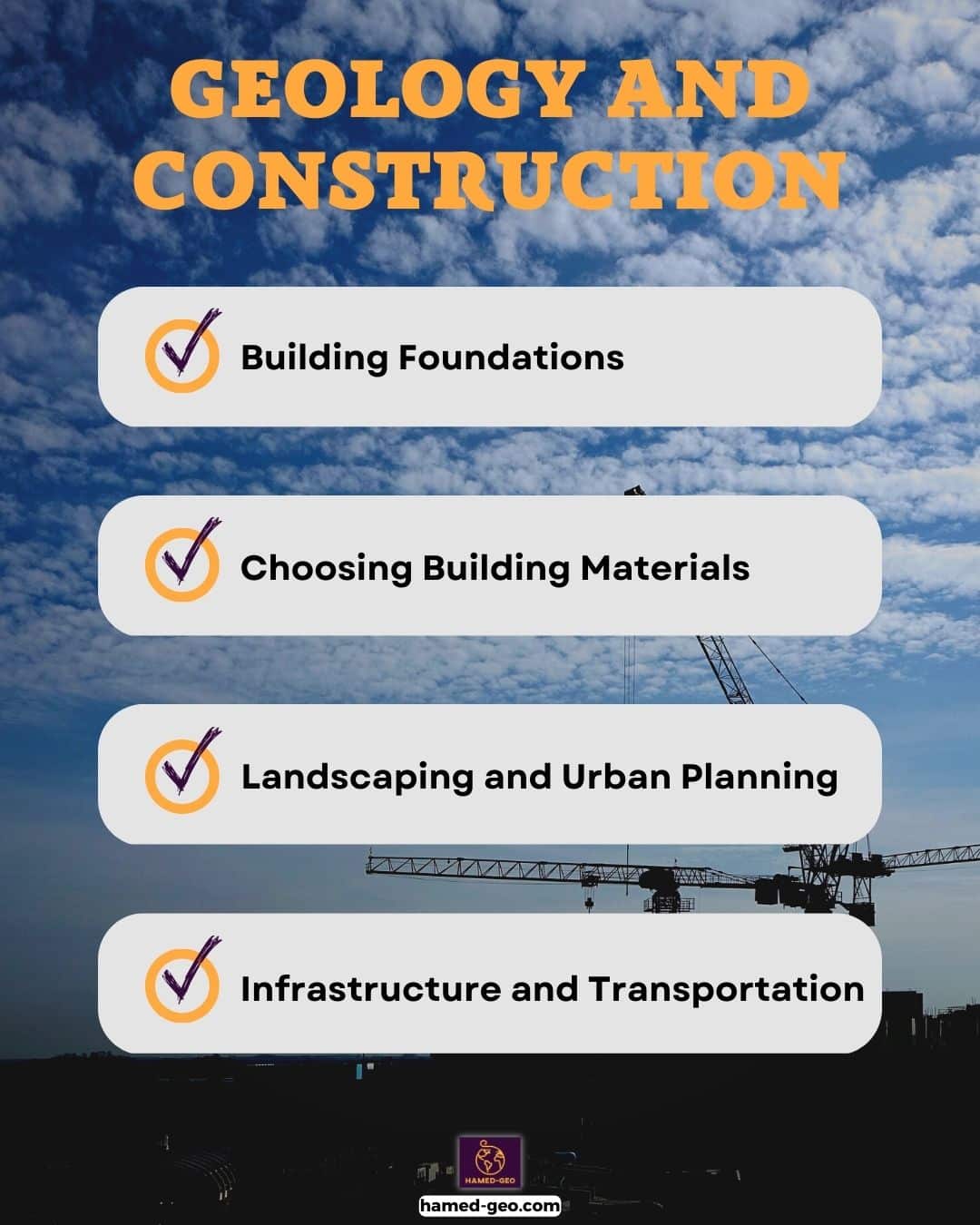
You know how we just assume the ground beneath our feet is… well, solid? Like, we slap down a skyscraper or a highway and never think twice? Big mistake. I learned this the hard way driving through Florida last year—saw this fancy new condo complex sinking into the earth like a sad slice of cake in hot soup. Turns out, the builders skipped the geology homework. Classic.
See, dirt isn’t just dirt. Some soil’s got the grip of wet clay (hello, landslides!), others shift like Jell-O when it rains. Remember that Miami building collapse a while back? Yeah, geology wasn’t just a factor—it was the factor. Foundations aren’t magic; they’re basically the building’s feet. Stick ’em in swampy muck? You’re asking for trouble. Put ’em on bedrock? Solid as your grandpa’s handshake.
And it’s not just about not falling over. Ever wonder why some cities have glass towers scraping the sky while others cap out at three stories? Geology’s the silent boss. In earthquake country like California, engineers geek out on liquefaction maps—fancy term for when the ground turns to soup during a shake. (Pro tip: avoid building your dream home on old riverbeds. Trust me.)
But wait—it gets wilder. Climate change’s messing with the rules. Permafrost melting in Alaska? Suddenly, roads buckle like overcooked spaghetti. Saltwater creeping into coastal soil? Concrete foundations start dissolving. Yikes. So yeah, geology isn’t some dusty textbook chapter. It’s the reason your apartment won’t sink, your commute won’t crumble, and honestly? Why we’re not all living in tents.
So next time you stroll past a construction site, peek at those soil samples they’re hauling around. That’s the real MVP keeping the world upright. Crazy, right?
Building Foundations
You know how some buildings just… hold up for decades, while others start cracking like cheap pottery after a year? Yeah, it’s not just about the concrete mix or the builder’s skill—though don’t get me started on shoddy contractors. The real secret’s under your feet. Seriously, geology isn’t just about digging up dinosaur bones; it’s the silent hero keeping your house from sinking into a sinkhole.
Take soil types, for example. Soft, squishy clay? Total nightmare. I remember my buddy’s house in New Orleans—built on this goopy delta mud. Within two years, his porch was slanting like the Leaning Tower of Pisa. Why? Because nobody bothered checking if the ground could actually hold weight. Turns out, loose soil compresses under pressure, so the foundation settles unevenly. Next thing you know: doors won’t shut, walls split, and you’re crying over repair bills. (True story—I helped him haul furniture out of that sinking ship. Ugh.)
But here’s the cool part: geologists team up with engineers way before the first shovel hits dirt. They’ll drill test pits, zap the ground with sensors, even analyze rock layers from 100 feet down. Like, last month I saw a crew in Colorado using these funky-looking probes to map ancient landslide debris under a new housing development. Smart, right? Because if you build on unstable slopes or hidden fault lines? Well… let’s just say “earthquake-proof” sounds great on paper until the ground says “lol, nope.”
Funny how we never think about the dirt beneath us—until it swallows our driveway whole. Anyway, point is: geology’s not some dusty lab science. It’s the reason your foundation doesn’t turn into a modern art installation. Call me paranoid, but I’d definitely want a rock nerd on my side before pouring concrete.
Choosing Building Materials
Okay, real talk? Geology’s way more involved in your everyday life than you’d think—like, way beyond just poking at rocks in a lab coat. Take building materials. Seriously, next time you’re chilling in a fancy lobby or sweating over your kitchen remodel, remember: geologists are the unsung heroes picking what won’t crumble under you.
See, rocks aren’t just rocks. They’ve got personalities. Big time. Granite? Total rockstar. Tough as nails, barely blinks at weather, and yeah—it’s why your fancy countertop survives coffee spills and your toddler’s tantrums. (Fun fact: I once saw a slab that’d been outdoors in Maine for 20 winters? Looked brand new. Granite’s basically the Hulk of the stone world.)
But limestone? Sigh. Don’t get me started. It’s pretty, sure—I mean, cathedrals love it—but it’s basically a sponge wearing a tuxedo. Acid rain? Humidity? Even bird poop? Starts flaking like cheap nail polish. I helped survey this old courthouse in Ohio where the limestone steps had turned into sand after a decade. Total facepalm moment for the architects.
Here’s the thing: geologists aren’t just handing over samples like, “Here, use this.” Nah. We’re in the trenches with builders, squinting at blueprints, arguing about why you shouldn’t slap marble on a fountain (“It’ll dissolve, Karen!”), or begging folks to skip sandstone in rainy climates (“Trust me, it’ll look like Swiss cheese by year three”). It’s part detective work, part marriage counseling between science and design.
Oh! And it’s not just about durability. There’s the vibe, too. Slate for that rustic fireplace? Perfect—it’s got history baked in (literally, from ancient seabeds). But pick the wrong slate? Suddenly your “cozy hearth” is shedding flakes into teh coffee. (Whoops—meant “the” coffee. Typo city, sorry.) Point is: geology’s the quiet voice whispering, “Hey, maybe don’t build your dream home on a landslide zone?” before the concrete even dries.
Ever walked into a building and just felt it was solid? Like, deep in your bones? That’s not luck. That’s a geologist geeking out over mineral composition while everyone else was picking paint swatches. Wild, right?
Landscaping and Urban Planning
Wait, you think geology’s just about rocks and earthquakes? Nah, man—it’s literally shaping where you park your car and whether your fancy backyard terrace survives the next downpour. Seriously, walk around any city, and you’re stepping on geology’s to-do list. Take soil, for example. Ever tried planting a garden in pure sand? Or watched a hillside just… slump after heavy rain? Yeah. That’s geology yelling at you. Loose, crumbly dirt? Rocky chaos? That’s not just “dirt problems”—that’s your retaining wall’s worst nightmare. I remember this one project near Boulder—gorgeous hillside lot, right? Client wanted terraced gardens cascading down teh (oops, the) slope. Looked amazing in the renderings. But the geologist on the team? She dug in (literally, core samples everywhere) and was like, “Whoa, hold up. That shale layer? It’s basically greased-up cardboard when wet.” Ignored her? Well, let’s just say the “cascading gardens” became a mudslide memorial a month later. Not ideal.
So yeah, geologists aren’t just out there with hammers whacking rocks for fun (though, okay, maybe sometimes). They’re the secret weapons for landscapers and city planners. Before anyone plants a single rose bush or pours concrete, these folks are checking: Is this ground gonna hold? What’s lurking under there—fault lines, sinkholes, ancient riverbeds sucking up all the water? They map the hazards nobody sees until it’s too late. Like, soil testing isn’t just poking sticks in the dirt; it’s figuring out if your “dream home site” is actually sitting on a slow-motion landslide. (True story: saw a whole subdivision get delayed ’cause of hidden clay that swells like a sponge. Cost millions. Ouch.) Bottom line? You ignore the rocks beneath your feet at your own peril. Geology isn’t just academic—it’s the silent partner in every shovel of dirt turned. Forget “location, location, location.” Try “geology, geology, geology.” You’re welcome.
Infrastructure and Transportation
So, roads and bridges? Yeah, geology’s all up in that too—way more than you’d think. Like, picture this: you’re driving over some massive bridge, right? Feels solid, unshakeable. But underneath? There’s rivers carving at the rock, earthquakes literally shaking the foundations, or maybe just plain ol’ rain washing the dirt right out from under it. Scary stuff. That’s where geologists step in. They’re the ones crawling around muddy riverbanks with engineers, pointing at cracks in the earth like, “Whoa, hold up—this spot? Bad idea for a bridge pillar.” Seriously, I read about this crew in Oregon last year—they spotted ancient landslide scars under a proposed highway route. Saved the whole project from becoming a pancake. Wild, right? It’s not just “designing to withstand forces”—it’s like playing 4D chess with Mother Nature. And honestly? If they mess up, people die. No pressure.
Then there’s the culture thing—geology’s everywhere in how we live, not just where we build. Ever been to Hawaii? Those volcanoes aren’t just tourist traps; they’re sacred. Locals talk to them. Or think about Iceland—literally built its identity on lava fields and sagas about trolls turned to stone. Even something as simple as the White Cliffs of Dover? They’re not just chalk—they’re a symbol. Brits wrote poems about ’em, fought wars over the view… it’s baked into who they are. Heck, my grandma’s village in Ireland? They’ve got this weird, twisted rock formation they call “the witch’s chair,” and for generations, folks leave little offerings there after a storm. Superstition? Maybe. But it’s geology shaping belief, year after year. Makes you wonder: how much of your hometown’s soul is just… rocks telling stories?
Geology and Culture
You know, it’s kinda wild when you really think about it—how the very ground beneath our feet isn’t just dirt and rock, but actually shapes who we are. Geology? Yeah, it’s way more than just geologists poking at stones in fancy labs. It’s baked into our stories, our traditions, even the way whole cultures see the world. Like, seriously—ever stand at the edge of the Grand Canyon and not feel that weird little shiver? Or hear about Uluru in Australia and not wonder why it’s sacred? That’s not just scenery, man. That’s geology whispering straight into our souls for thousands of years.
Think about it: those jagged mountains people risk their lives to climb? They’re not just rock faces—they’re temples in Nepal, symbols of endurance in folklore. Or take Delphi in Greece—the whole “navel of the world” thing? Yeah, that was literally a crack in the earth where vapors rose. Ancient Greeks built an entire oracle around that geological hiccup! Mind-blowing, right? And it’s not all ancient history either. Remember how Iceland’s got those crazy volcanic landscapes? They’re not just tourist magnets (though, fair, they are stunning)—they’re woven into sagas, superstitions, even how Icelanders talk about resilience. “We’re shaped by fire and ice,” they’ll tell you, and you feel it.
Here’s the thing though—it’s easy to glaze over this stuff, treat it like some dry textbook footnote. But honestly? When you see how a single cliff face can dictate where villages are built, or how a mineral deposit turns into a sacred symbol (like turquoise for the Navajo), it hits different. Geology isn’t just about rocks. It’s about why we gather where we gather, what we fear, what we worship. Call me sentimental, but there’s something deeply human in how we take these ancient, slow-moving forces and turn them into meaning. So yeah, let’s dig into this—not with charts and jargon, but with the messy, awe-filled way humans actually connect with the planet. Because honestly? You’ve probably felt this pull too, even if you didn’t know it had a name. Ever felt small staring at a mountain? That’s geology talking.
Geological Sites and Tourism
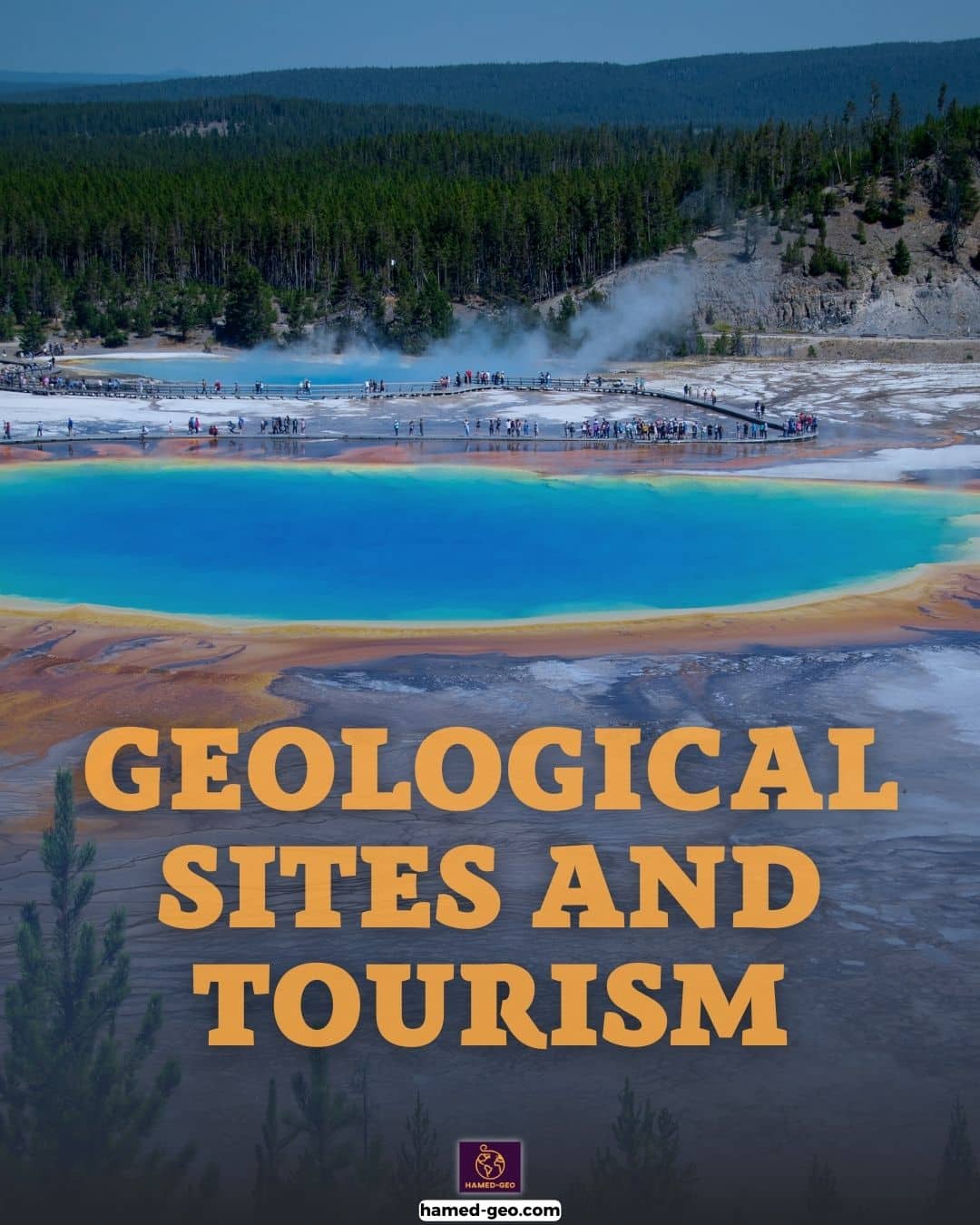
Ever stood at the edge of the Grand Canyon and just… froze? I did last summer. Wind biting your face, that huge silence swallowing everything—even your thoughts. And honestly? It’s not just the view. Like, yeah, it’s stunning, jaw-dropping beauty (I took, what, 200 photos? Zero did it justice). But what really hit me was realizing: this wasn’t just pretty. It’s a time machine.
Think about it. Niagara Falls isn’t just water crashing down—it’s a geologist’s diary of ice ages, carved over millennia. Or Everest? Sure, climbers chase the summit, but the real magic’s in the rocks under their boots. Layers telling stories older than dinosaurs. You know how sometimes you touch a cliff face and suddenly feel tiny? Like, whoa, the Earth’s been doing its thing for billions of years and I’m just a speck here? That’s the hook.
Tourists flock to these places craving that “aha!” moment—not just selfies. They want to know how the heck a canyon got carved, or why volcanoes birth islands. And geologists? They’re the tour guides you don’t see. Like my buddy Lena—she studies glacial melt in Iceland. Last week, she texted me: “Just explained to a grandma how ice sheets sculpted this valley. She cried. Said it made her feel connected.” See? It’s not just rocks. It’s meaning.
Here’s the kicker: geology’s specialties are everywhere in tourism. Volcanologists map safe trails in Yellowstone (’cause, y’know, sleeping supervolcano and all). Hydrogeologists track why some hot springs heal wounds—turns out, minerals from deep underground. Even paleontologists? They’re the ones whispering “T. rex walked here” at Dinosaur National Monument. It’s kinda like medicine: you wouldn’t let a cardiologist set your broken arm, right? Same goes for rocks. You need the right earth-scientist nerd to unpack why your favorite waterfall exists.
(Wait—I almost forgot!) Last month, a landslide near Zion National Park closed trails. News said: “Geologists warn slopes unstable.” Those weren’t just faceless “scientists.” They were people who’d hiked those trails, probably. Who care. So yeah—next time you ooh-and-ah at a mountain, remember: there’s a whole crew of humans behind the curtain, reading Earth’s diary… and making sure you don’t, like, fall into a sinkhole. Call me a rock nerd, but that’s way cooler than just “stunning natural beauty.”
Geological Symbols and Folklore
You know how some places just feel different? Like, the air gets thick or your skin prickles? Yeah, that’s not just your imagination—it’s been happening for thousands of years. Take rock formations, for instance. My buddy Carlos (he’s Navajo, grew up near Monument Valley) once told me how certain buttes there aren’t just scenery—they’re alive. Like, his grandma’d point to Spider Rock and say, “That’s where Spider Woman lives. Don’t yell—she’ll hear you.” And rocks? Turquoise isn’t just pretty; it’s a protector. I’ve seen elders tuck tiny pieces into baby moccasins. Seriously, it’s woven into everything.
Then there’s Hinduism—those Himalayan peaks? Not just mountains. They’re literally where the gods hang out. Pilgrims trek for weeks to touch stones from the Ganges riverbed, believing the minerals soak up divine energy. Heck, I bought a chunk of Himalayan salt rock at a market in Delhi once (teh vendor swore it cured headaches—jury’s still out, but hey, it looks cool on my shelf).
And Celtic stuff? Don’t get me started. Up in Ireland, those lonely standing stones? Old-timers’ll whisper they’re faerie doorways. My Irish aunt—total skeptic, mind you—still won’t whistle near Newgrange. “Bad luck,” she’d say, crossing herself. “They don’t like the noise.”
Thing is, this isn’t just “ancient history” mumbo jumbo. Walk into any crystal shop today—Boulder, London, Tokyo—and you’ll see folks clutching amethyst for “stress relief” or rose quartz for love. Is it magic? Maybe not… but it’s meaning. Like, my sister swears her hematite bracelet stopped her panic attacks. I’m no scientist, but who cares? If it helps her sleep, I’ll take it. Funny how we cling to these old stories, huh? Makes you wonder—what’ll we leave behind for folks 500 years from now.
Geology and Architecture
Okay, so here’s something wild I never thought about until I visited Petra last year: geology literally shapes how we build our world. Like, seriously—next time you’re walking past an old stone church or a sun-baked adobe village, that’s not just “style.” It’s the Earth talking back.
Think about it: in places like New Mexico or Yemen, folks didn’t choose adobe bricks ’cause they were trendy. Nah—they dug clay from the ground right there ’cause the local rock was too soft or crumbly to carve. (I mean, try building a skyscraper out of wet sand, right? Exactly.) But head up to New England or Scotland? Suddenly everything’s granite or limestone—those rocks are tough as nails, so builders just… used what was underfoot. Oh! And get this: the Incas? Total rock whisperers. They fitted those crazy-perfect stone walls in Machu Picchu because Andean granite fractures in clean, puzzle-piece lines. No mortar needed. Wild, huh?
Wait—forgot to mention how London’s whole subway system sinks ’cause the city’s built on squishy clay. Or how Roman concrete lasted 2,000 years ’cause they mixed volcanic ash into it (thanks, Vesuvius!). Geology isn’t just “rocks out there”—it’s in your walls, your sidewalks, even that weird crack in your driveway.
So yeah, next time you kick a pebble or trip on uneven pavement? Pause for a sec. That’s not just dirt—it’s ancient seabeds, crushed mountains, or frozen lava deciding whether your house stays standing. Makes you wanna touch the ground differently, doesn’t it? Honestly, I’ve started geeking out over sidewalk textures. (My friends roll their eyes. Worth it.)
If you’re even mildly curious—grab a rock hammer, poke at a cliffside, or just Google “why Paris buildings are all that golden limestone.” Trust me, once you see the Earth’s fingerprints everywhere? You’ll never look at a building the same way again. And hey—maybe that’s the point.