 0
0
 0
0
Ever wonder how we even know Earth’s been doing its slow-motion dance for billions of years? Geology’s kinda the ultimate time machine it’s not just rocks, man. It’s the whole messy, glorious story: why mountains crunch up like soda cans, how a grain of sand outlived dinosaurs, and why my grandma’s backyard has seashells way up in the hills. Seriously, it’s wild how this field stitches together everything earth materials, the planet’s guts, even ancient critters that’d give you nightmares. I mean, think about it: without geology, we’d be clueless about when stuff happened. Like, how’d we know the Himalayas started partying 50 million years ago? Or why Yellowstone’s basically a sleeping dragon? It’s all in the dirt, if you know how to read it.
But here’s where it gets real—applied geology. This isn’t just textbook stuff; it’s the hero we don’t talk about enough. Picture this: a town’s water’s suddenly tasting like metal. Who shows up? The geologist, tracing toxins back to a mine leak. Or when landslides threaten homes—boom, they’re mapping faults before breakfast. It’s gritty, urgent work: hunting oil (yeah, still needed), keeping fracking from poisoning aquifers, even telling cities, “Hey, maybe don’t build here—that fault’s twitchy.” Call me biased, but I’ve seen these folks save towns with nothing but a hammer and a hunch.
The big difference? Pure geology’s like… philosophizing over coffee. It asks, “Why are we here?” Applied geology’s the one frantically Googling “how to stop a volcano” while packing a field kit. One’s about the why, the other’s about the how. And honestly? We need both. Without the dreamers scribbling in notebooks, we’d miss the big picture. Without the boots-on-the-ground crew? Well, let’s just say my buddy’s still pissed his house flooded ’cause nobody checked the soil maps. Facepalm.
| Geology | Applied Geology |
|---|---|
| Focuses on the study of Earth's history, structure, and processes | Applies geological knowledge to solve real-world problems |
| Primarily academic and theoretical | Practical and problem-solving in nature |
| Explores the Earth's components and processes | Targets specific problems related to earth resources and environmental issues |
| Involves a deep level of theory | Utilizes theoretical concepts for practical applications |
| Includes fieldwork and research | Involves more hands-on activities |
| Focuses on understanding the Earth and its history | Focuses on applying geology to benefit society |
| Examples include mineralogy, petrology, and structural geology | Examples include mining and exploration, environmental protection, and geological engineering |
The Differences Between Geology and Applied Geology
Ever wonder why your geology professor rolls their eyes when someone says “applied geology”? Honestly, it’s not just semantics—it’s like comparing stargazing to building a spaceship. Let me break it down real quick, ’cause this trips up even the pros.
So, geology? Total head-in-the-clouds vibe. It’s all about why the Earth does its weird dance—like, why volcanoes throw tantrums or how mountains nap for millions of years. Pure curiosity, zero pressure. Applied geology? That’s your boots-on-the-ground cousin. They’re the ones using those “why” answers to stop landslides or find water when your town’s taps run dry. Theory vs. “okay, fix this.”
And oh man—the focus! Geologists geek out over everything: a speck of mica, ancient mud, you name it. Applied folks? Laser-targeted. “Where’s the oil?” “Will this hillside collapse?” No time for poetry about quartz. (Call me cynical, but I’ve seen applied geologists side-eye museum exhibits like, “Cool rocks, but where’s the profit?”)
Here’s the kicker: theory depth. Geology dives deep—like PhD-deep—into how minerals form in magma chambers. Applied? They’ll grab that theory, tweak it for real-world messiness (’cause nature never reads textbooks), and run. Less “let’s model this perfectly,” more “let’s make it work before the client loses patience.”
Fieldwork? Total split personality. Pure geologists might spend weeks sketching rock layers in some gorgeous canyon, humming to themselves. Applied crews? They’re elbow-deep in drill cores at 6 a.m., dodging rain and budget cuts. One’s a meditative hike; the other’s a triage session.
And industry stuff? Yeah, applied geology’s basically industry’s BFF. Mining companies, oil rigs, even city planners—they all call them when the ground gets weird. Geologists? They publish papers. Applied folks? They publish solutions. (I once watched an applied team save a highway from sliding into a river. Try that with a textbook.)
Point is—it’s not “better” or “worse.” It’s the difference between loving the idea of cooking and actually feeding hungry people. Both matter. Just… don’t ask a theorist to find your groundwater. Trust me.
Application of Knowledge and Practices
Ever wonder why your geology professor keeps stressing that applied geology isn’t just textbook stuff? Yeah, me too—until I actually got my boots muddy in the field. See, here’s the thing: geology’s all about understanding the Earth—like, how mountains crumble, why volcanoes throw tantrums, or what those squiggly lines on a map really mean. But applied geology? That’s where we roll up our sleeves and use that knowledge to fix real headaches.
Think about it: You could spend years memorizing rock formations (and hey, props if you do), but applied geology asks, “Okay, cool—but how do we find clean water for this drought-stricken town? Or stop a landslide from eating Main Street?” It’s not just theory; it’s digging into groundwater surveys, dodging earthquake risks, or hunting for copper mines without wrecking the planet. Honestly? It’s the difference between knowing a river’s made of H₂O and building a damn that won’t wash away next monsoon.
Wait—I’m getting ahead of myself. Let me backtrack: Pure geology? It’s like studying car engines in a garage. Applied geology? That’s the mechanic under your hood when your Civic’s sputtering, covered in grease, yelling, “Yeah, I know why it’s broken—now pass me the wrench.” One’s about the why; the other’s about the how. And honestly? Most folks pay way more for the mechanic. (No offense to theorists—call me biased, but I’ve seen too many towns ignore landslide warnings because “the data wasn’t urgent enough.”)
So yeah—while pure geology’s got its head in the clouds (or, uh, the crust), applied geology’s out here doing the dirty work. Mineral resouces? Groundwater crises? It’s not just “leveraging insights,” as some fancy report might say. It’s literally keeping people safe, fed, and powered. And between us? That’s why I switched majors sophomore year.
Areas of Focus
So geology? Honestly, it’s just Earth’s storybook written in stone—literally. You know, studying the planet’s bones: rocks, how they shift, crack, or melt over millions of years. It’s like being a detective for mountains, oceans, even that weird pebble in your driveway. But here’s where it gets messy: applied geology? Totally different beast.
Wait, no—let me backtrack. Pure geology’s all about the “why.” Like, why did this mountain pop up? Or how did that canyon carve itself? Super cool, but kinda… academic? Applied geology, though? It gets down to brass tacks. Think landslides swallowing roads, or where to drill for water without wrecking the aquifer. Real stuff that keeps people safe today.
I’ll give you an example from my undergrad field trip—ugh, still sweat remembering it. We were hiking near the Rockies (freezing, by the way), and this prof kept yammering about orogeny—fancy word for mountain-building. Meanwhile, the applied geology crew? They were knee-deep in mud, mapping exactly where the hillside might give way next rainstorm. One group’s dreaming about tectonic plates; the other’s asking, “Can we stop this hill eating a town?”
And yeah, they’re cousins—geology and applied geology—but don’t call ’em twins. One’s got its head in the stars (well, the mantle), the other’s boots in the dirt. Funny thing? They need each other. You can’t apply what you don’t understand. But man, the difference hits hardest when you’re standing on a cliff edge, realizing “Hey, this isn’t just rock—it’s someone’s backyard.”
Call me sentimental, but that’s why I stick with applied work. Knowing your maps might save a village? Yeah. That’s the good stuff. (Though I still geek out over cool rocks. Minaralogy—wait, mineralogy—is addictive, okay?)
Level of Theory
Ever wonder why geologists and, like, applied geologists seem to speak different languages? Okay, maybe not “different languages,” but—trust me—I’ve been there. Sitting in a lecture hall, my professor droning on about plate tectonics like it’s the only thing that matters… meanwhile, my buddy interning at an oil company just needed to know where the fracking fractures would go. Same planet, totally different headaches.
Here’s the thing: pure geology? It’s all about the big picture. You’re knee-deep in textbooks, mapping how continents danced apart 200 million years ago, or why that weird rock layer in Utah looks like a giant’s scrambled eggs. Sedimentology, geomorphology—you name it. It’s messy, beautiful, and honestly? Kinda philosophical. You’re chasing the story of Earth, not a paycheck. (Though, let’s be real—someone’s gotta pay for those fancy microscopes.)
But flip it: applied geology? Suddenly, theory isn’t just theory—it’s your toolbox. You don’t need to know every detail of plate tectonics; you need to know exactly how it’ll crack open an aquifer for a drought-stricken town. Or why mineral deposits huddle where faults meet. It’s like… baking a cake. Geology teaches you why flour + heat = bread; applied geology is the dude who actually measures the eggs at 3 a.m. because the bakery’s counting on him.
Call me biased, but I’ve seen folks crash and burn switching between these worlds. One minute you’re debating the exact age of a zircon crystal (geology!), the next you’re calculating how fast that mine shaft will collapse (applied!). The foundation’s the same—plate tectonics, rock cycles, all that jazz—but applied geology? It’ll make you obsess over one tiny piece ’til your eyes bleed. Because hey, when a city’s water supply’s at stake? “Close enough” isn’t close at all.
So yeah—it’s not just that one’s “theoretical” and the other’s “practical.” It’s that pure geology loves the puzzle for the puzzle’s sake… while applied geology’s sweating bullets ’cause someone’s farm depends on getting the puzzle right. Ever felt that pressure? I sure have. Last summer, I watched a hydrogeologist actually cry when her model predicted a dry well. Theory’s cool—but reality? Yeah, that’ll keep you up at night.
Overview of Geology
Geology? Honestly, it’s not just “studying rocks”—though yeah, you’ll end up with dirt under your nails. It’s more like… being a detective for the whole planet, you know? Piecing together how Earth got its wrinkles, scars, and those shiny bits we trip over. And yeah, it’s a huge field. Like, embarrassingly huge. One minute you’re staring at glittery minerals (mineralogy—don’t ask me why it’s called that, it sounds fancy but it’s just “rocks with extra steps”), the next you’re knee-deep in mud mapping fault lines because, well, someone’s gotta warn folks where the ground might split open.
I remember my first field trip—total disaster. Thought I’d be all Indiana Jones, but nah. Spent hours sketching this hillside, then realized I’d mixed up shale and slate again. My professor just sighed and said, “Kid, geology’s not a textbook. It’s messy. It’s guessing. It’s getting lost in a canyon and realizing… oh right, this rock’s 200 million years old and I’m late for lunch.“
Anyway, mapping? Total lifeline. Without it, we’d be guessing where oil hides or why your town’s foundation keeps cracking. You slap colors on a map—blue for limestone, red for granite—but honestly? Half the time you’re just squinting at dirt, hoping your GPS doesn’t die. And mineralogy? Yeah, it’s “important,” but mostly it’s cool ’cause you learn why some rocks sparkle and others… well, look like your driveway.
Point is: geology’s not some stiff museum exhibit. It’s alive. It’s the reason your coffee tastes weird (volcanic soil!), why beaches vanish overnight, and why my boots still smell like sulfur. Ever stood on a beach and thought, “This sand was once a mountain?” That’s geology. Messy, confusing, and kinda magical.
Definition of Geology
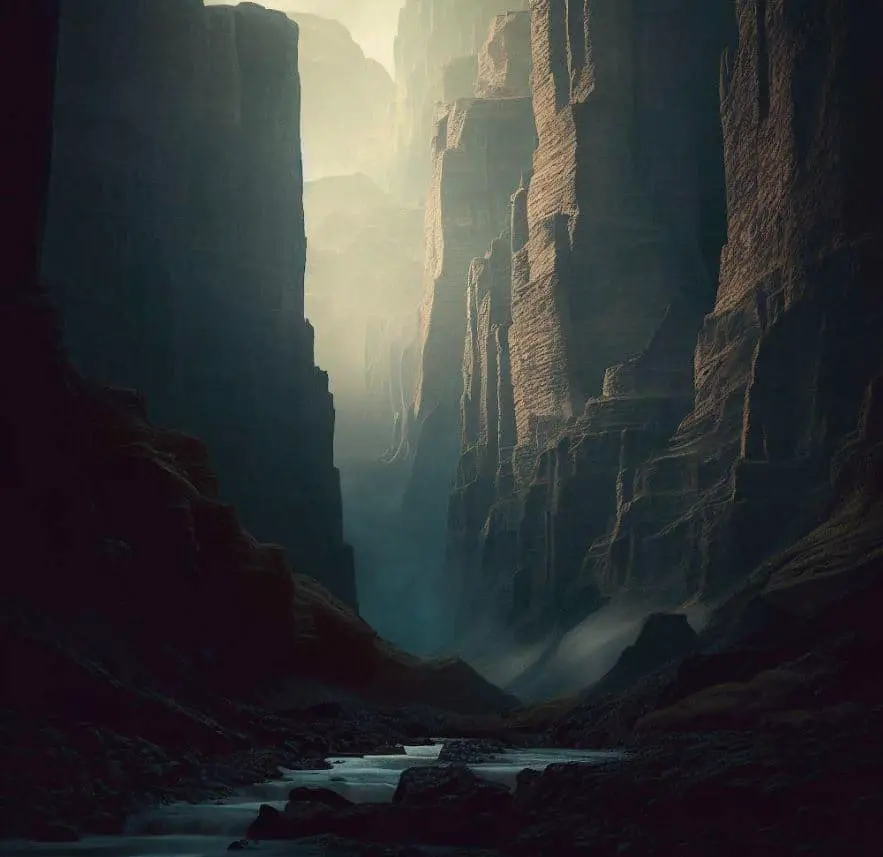
So, geology, right? Yeah, that word ’geo’ for earth, ’logia’ for study. Basically, it’s digging into the whole story of our planet’s bones: the rocks, the dirt, the crazy slow motion drama of how everything got squished, melted, and shoved around over, like, billions of years. Wild, huh?
Call me old-fashioned, but I kinda think of geology as the OG of earth sciences. You know how all those other fields—like hydrology or paleontology—sort of branched off? Yeah, geology’s the trunk. It’s this messy, beautiful mash-up of physics, chemistry, even a bit of biology, all thrown together to figure out… well, us. Where we stand, literally. It’s not just about old rocks (though, rocks are cool). It’s the whole picture: Earth’s diary written in stone, the slow grind of tectonic plates, volcanoes throwing tantrums, how water carves canyons… even how we might dodge the next Big One. Seriously, this stuff? It’s the bedrock—pun intended—of understanding why our world looks like it does. And yeah, it literally helps us not die when the ground decides to shake or erupt.
Which brings me to the scary-good part. Remember that earthquake last year? Felt like the whole house was dancing. That’s where geology isn’t just textbook stuff it’s our early warning system. Knowing why quakes happen, where magma’s pooling, how hillsides might slip… that’s how we build safer towns, find water when drought hits, or yeah, hunt for the minerals that power our phones. It’s not magic, but it’s close. Helps us read the planet’s mood swings before they turn catastrophic. Ever felt the earth rumble under your feet? Suddenly, geology isn’t abstract it’s the difference between panic and knowing exactly where to stand. You know?
(Wait, I was rushing teh other day to grab coffee and totally forgot my point… right! Resources! Like, where oil hides, or rare earth metals. Geology finds those too. But honestly? It’s mostly about not getting flattened by the very ground we live on.)
Branches of Geology
Ever stare at a rock and wonder, “Wait—how does anyone even study this stuff?” Yeah, geology’s wild like that. It’s not just one thing—it’s like a damn family tree with way too many cousins. You’ve got Physical Geology, which is basically Earth’s ER: patching up earthquakes, volcanoes, all that whoa-nelly surface drama. Then Historical Geology? Total time-traveler. These folks dig through layers like it’s a murder mystery—who shifted the magnetic field? When did continents pull a disappearing act? (Turns out, plate tectonics has serious commitment issues.)
Mineralogy though? That’s my pet peeve. Call me biased, but if you think minerals are just “shiny rocks,” uh, no. We’re talking atomic Lego sets—how they snap together, why quartz won’t shut up about being hard. It’s everywhere, man. Like, everywhere. Your phone? Minerals. That weird stain on your sink? Minerals. Minerals, which yeah, they’re everywhere—sorry, got sidetracked.
And don’t even get me started on the other branches. Stratigraphy? Layer detectives. Paleontology? Dino groupies (bless ’em). Seismology? The folks who actually panic when your coffee cup rattles. I’ve got a list—thirty-plus specialties, scribbled on a napkin somewhere—but honestly? It’s messy. Like trying to alphabetize a tornado.
Wait, no—scratch that. It’s more like realizing your “simple rock hobby” just dragged in thirty relatives you never knew existed. You know how that goes.
History of Geology
Okay, so geology? Total mouthful of a word, but honestly—it’s just “earth study” smashed together from old Greek (ge = earth, logia = studying stuff, you know?). Basically, it’s how we poke around at rocks, volcanoes, and all that gritty solid earth jazz—not the oceans or sky, just the crusty bits under our feet.
Funny thing though: we’ve been scratching our heads about rocks since, like, forever. Ancient Greeks like Thales were already guessing what the planet’s made of—dude thought water was everything (wild, right?). But real geology? Nah, that didn’t kick off till way later. Like, 1700s Enlightenment era. James Hutton—that Scotsman—dropped this bombshell in 1788 called Theory of the Earth. Mind-blowing for its time ’cause he’s like, “Hold up, the earth’s not young—it’s got deep history, like, really deep.” Total game-changer. Laid the whole foundation, y’know?
Then fast-forward to the 1900s… things got spicy. Plate tectonics hit the scene—suddenly we’re realizing continents aren’t glued down; they’re sliding around like lazy office chairs on marble floors. Wild stuff reshaped everything we thought about earthquakes, mountains, you name it. It’s not just that—wait, actually, let me rephrase: before plate tectonics, geology felt like piecing together a puzzle blindfolded. After? Bam. Suddenly the picture made sense.
(Psst—ever notice how “geology” sounds like “geek-ology”? Totally not a coincidence. This reminds me of my buddy Dave who collects rocks like they’re Pokémon cards. Anyway…)
Applied Geology
Look, I’ll be honest—Applied Geology sounds way more boring than it actually is. You know how people assume geology’s just about poking at rocks? Yeah, me too, until I realized this stuff literally keeps us from sinking into the ground or running out of clean water. So first off, gotta get this straight: what even is Applied Geology? Like, really. It’s not just maps and compasses—it’s how we spot where earthquakes might crack the earth open, or where to dig for copper without wrecking a mountain. Once you wrap your head around that (and trust me, it clicks faster than you’d think), you start seeing it everywhere.
Here’s the thing—it’s not just about finding oil or minerals, though that’s huge. Remember that sinkhole in Florida last year? Applied Geology’s the reason we didn’t all end up in a bathtub-sized crater. Same goes for landslides, volcanoes… honestly, half the “natural” disasters we avoid? Yeah, geologists quietly stopped those. And get this—they’re the unsung heroes behind your phone, too. No applied geo = no lithium for batteries. Poof. Back to carrier pigeons.
Wait—why does this matter? ’Cause when we talk about Geological Hazard Assessment (fancy term for “don’t build your house on a fault line”), it’s life or death. Literally. And Natural Resource Exploration? That’s not just digging holes; it’s playing 4D chess with the planet’s guts. You ever wonder why your tap water isn’t poison? Applied Geology. Why your road didn’t collapse after that rainstorm? Applied Geology. It’s the invisible thread holding civilization together.
So yeah, skip the textbook definitions. This isn’t some dusty theory—it’s the reason your coffee cup has metal in it and why you’re not swimming in your basement right now. Wild, right?
Definition of Applied Geology
Okay, so Applied Geology? Yeah, it’s basically geology rolled up its sleeves and doing stuff. Not just staring at rocks in a lab, you know? It’s taking all that textbook earth-science mumbo jumbo and actually using it to fix real headaches—like why your backyard suddenly decided to slide into a canyon after a rainstorm, or where the heck we dig for clean water when the old well runs dry.
Here’s the thing: pure geology? Total head-in-the-clouds territory. It’s all “ooh, look at this 200-million-year-old fossil!” Cool, sure—but Applied Geology’s the one sweating over maps at 2 a.m. because a landslide’s threatening a town. It’s practical. Messy. Human. You dig soil, rock, groundwater—not ’cause it’s fascinating (though, okay, sometimes it is), but ’cause people’s lives depend on getting it right.
Call me old-fashioned, but I think of it like this: If regular geology’s the story of Earth—how mountains got there, why volcanoes throw tantrums—Applied Geology’s the toolkit. It’s the reason your phone has cobalt (thanks, mineral hunters!), why that bridge didn’t pancake in the ’08 quake, and why we don’t accidentally drill into a hidden sinkhole. Ever felt that shudder when the subway rumbles under your feet? Yeah, someone checked the bedrock first. That’s Applied Geology, quietly keeping the world from falling apart.
And honestly? It’s everywhere. When that California wildfire tore through last year, it wasn’t just firefighters on the scene—geologists were there too, mapping soil burn scars so the next downpour wouldn’t bury neighborhoods in mud. Or when your city taps a new aquifer? Applied Geology made sure it won’t run dry in five years. It’s not exactly dinner party talk, but man… this stuff matters. You might not see it, but it’s holding up your whole dang life.
(Wait—forgot to mention!) Sometimes folks mix it up with “engineering geology,” but nah, Applied’s broader. It’s the glue between science and survival. Frankly, I wish more people knew about it. Like, imagine if we’d used this stuff before building on that unstable hillside in ’98… but hey, hindsight’s 20/20, right?
Areas of Application
You know how people think geology’s just about rocks? Total myth. Applied geology’s everywhere—like that quiet friend who’s actually holding up the whole room. Take city planning: ever wonder why your subway doesn’t sink into quicksand? Yeah, that’s geologists sweating over soil samples at 2 a.m., figuring out if the ground’ll hold up that shiny new bridge. I remember this one site in Portland where they almost built a hospital on ancient landslide debris… yikes.
And water? Don’t get me started. Finding groundwater’s like playing hide-and-seek with Mother Nature—except the stakes are thirsty cities. Geologists map those sneaky water pockets (aquifers, if we’re being fancy), but honestly? Half the time it’s just poking holes in the ground and hoping. Oh! And get this—teh construction crews still ignore rock stability reports ’til a crane tilts. Classic.
Mining and oil? Okay, controversial, but hear me out: without geologists, we’d be drilling blindly into fault lines or wasting millions on barren shale. Not that I’m defending Big Oil, but… well, someone’s gotta find the actual ore veins, right? (My buddy Dave spent three years chasing copper in Chile—came back with one promising core sample. Worth it? He’d say yes. His bank account… not so much.)
Mostly though? It’s about not dying. Earthquakes, landslides, sinkholes—geologists are the canaries in the coal mine. Like that time in ’22 when they spotted the landslide crack weeks before it hit… saved a whole village. But try telling that to the mayor who cut the hazard budget. Sigh. Point is: applied geology isn’t just “useful.” It’s the duct tape holding civilization together. You just never notice ’til it snaps.
Benefits of Applied Geology
So, Applied Geology? Honestly, it’s geology with purpose—like, actually rolling up your sleeves to fix real-world messes. You know how people think rocks are just… rocks? Well, turns out, understanding them saves lives. Take earthquakes or landslides: it’s not just about charts and graphs (though yeah, we use those too). It’s about looking at a shaky hillside and going, “Whoa, if this gives way, Main Street’s toast.” And then? Figuring out how to stop it. I’ve seen towns dodge disasters ’cause someone mapped the fault lines before the ground split open. Scary as hell, but yeah—it keeps people safe.
And don’t get me started on resources. People think Applied Geology’s just about digging stuff up, but wait—it’s way more than that. Like, how do we pull copper for your phone without trashing the planet? Or find water in places where it’s drier than a month-old biscuit? It’s this weird balancing act: “Yeah, we need this metal, but also… maybe don’t poison the river?” From what I’ve seen, the best projects aren’t just about profit—they’re about not screwing over future generations. (Call me naive, but it matters.)
Oh! And infrastructure? Total unsung hero stuff. Ever wonder why that highway bridge didn’t pancake during the ’08 quake? Applied Geology. We poke at the dirt, check if the bedrock’s solid, and go, “Nah, build it here instead—it’s cheaper and won’t collapse.” Saves cash and keeps commuters alive. Honestly, it’s the kind of work nobody notices… until it doesn’t happen. Then? Chaos.
Bottom line: This isn’t just textbook stuff. It’s the quiet engine behind safer cities, smarter resource use, and yeah—keeping the lights on without frying the planet. Feels kinda vital, right? Like, we’re not just moving rocks; we’re moving forward. (Well, mostly. Some days it’s just moving coffee cups between meetings.)
Examples of Applied Geology
Okay, so picture this: you’re knee-deep in mud at a mining site, right? Applied geology—yeah, that’s the gritty, hands-on cousin of textbook geology—is basically how we actually get stuff done out here. Forget fancy theories; it’s about digging up copper or lithium without wrecking the place. I’ve seen crews waste months just ’cause they skipped the basics: like, hello, check the rock layers before you blast a hillside? Duh.
And get this—it’s not just about mining. Remember that sinkhole last year near Riverside? Yeah, applied geology’s the reason we didn’t all end up in the news. It’s the quiet hero in environmental protection, sniffing out how fracking or construction might mess with groundwater. My buddy Dave—a total geo-nerd—spent three weeks testing soil near a landfill. Turns out, one wrong move and the whole town’s water goes yuck. Wild, right?
Then there’s engineering stuff. Ever wonder why skyscrapers don’t topple over? Applied geology’s got your back. It’s the reason bridges don’t pancake when earthquakes hit—it’s all about reading the dirt and rock under your feet. Like, last month, a team I know almost built a highway tunnel through a hidden fault line. Whoops. Thank god for geotech surveys, am I right?
Oh! And mineral exploration? Total treasure hunt. It’s not just “dig here”—it’s piecing together clues from ancient lava flows or weird magnetic fields. I once watched a geologist spot a nickel deposit ’cause the grass looked off. True story. Without this stuff? We’d be swinging pickaxes blindfolded.
Anyway—point is, applied geology’s the glue holding everything together. Mining, saving rivers, building stuff that stays up… it’s messy, human, and honestly? Kinda heroic. You ever think about how much we owe to dirt detectives?
Mining and Exploration
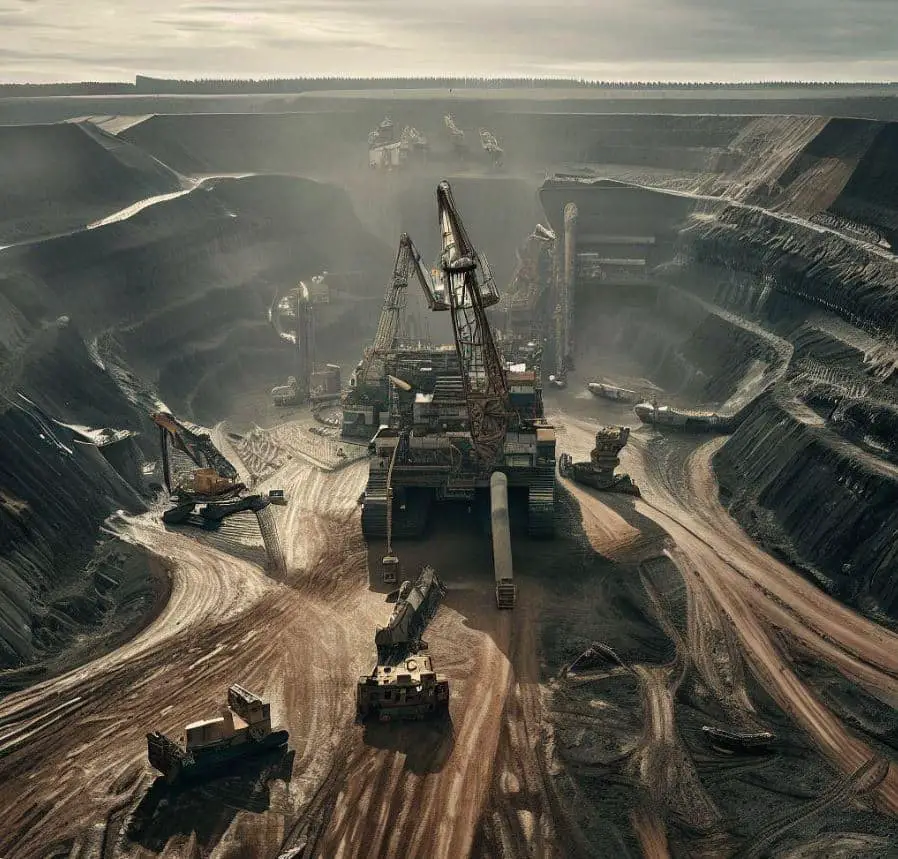
You know, when you actually get your boots dirty in the field—really dig into how geology works out there—it’s wild how much hinges on mining and exploration. Like, yeah, textbooks make it sound all fancy with “applied geology” and whatnot, but honestly? It’s just people trying not to blow up mountains or go broke.
Here’s the thing: miners don’t just guess where to dig. They lean hard on geology to sniff out spots that might’ve got something valuable hiding under the dirt. Think surveys—lots of ’em—where folks traipse around with weird gadgets (geophysics, you know?), or test soil samples ’til their eyes cross (geochemistry, ugh). And it’s not just “oh hey, rocks!”—it’s about figuring out exactly how big that ore body is, what shape it’s hiding in, and whether it’s worth the headache. All that? Straight from geology 101.
But wait—it gets scarier. Ever heard of mines collapsing? Or the ground just… sinking? Yeah, that’s where geology shifts from “helpful” to life-saving. Before anyone even swings a pickaxe, geologists are poking at rock layers, checking for faults, landslides, the whole nightmare buffet. Because nobody wants to explain to families why the ground ate their dad’s worksite. Seriously, it’s not just about finding minerals—it’s about keeping folks alive while you do it.
So yeah, mining and exploration? It’s where geology stops being a lecture and starts being real. You can read all the theories you want, but until you’ve stood there with a map in one hand and a landslide report in the other… well, let’s just say the textbooks don’t sweat like you do.
Environmental Protection
Ever feel like “environmental geology” is just jargon for “cleaning up messes we shouldn’t have made”? Honestly, it’s less about fancy titles and more about boots-on-the-ground work—like stopping landslides before they bury a town or figuring out if that new housing development’s built on a flood zone. (Spoiler: It usually is.)
I’ll never forget this landfill site I checked out last Tuesday—smelled like rotten eggs and regret. The client wanted to build a playground there. Playground. Right on top of old industrial sludge. We ran soil tests, mapped the groundwater flow… turns out the “stable” bedrock was basically Swiss cheese. You’d think people’d learn, but nah. Geologists end up playing detective half the time: “Wait, why is this creek orange? Oh, just acid runoff from that mine they ‘forgot’ to mention.” Classic.
And remediation? Ugh. Don’t get me started on “phytoremediation“—fancy word for planting sunflowers to suck up toxins. Sounds cute ’til you’re knee-deep in mud watching weeds do what regulators won’t. But hey, it works. Last year, we turned a toxic dump into a meadow using willow trees. Feels kinda magical, honestly? Like nature’s doing overtime to fix our screw-ups.
Thing is, nobody wants to pay for this stuff until the creek’s on fire. But if we skip the geology upfront? You’re just gambling with someone’s backyard. And trust me—you don’t wanna be the one explaining that to a reporter when the hillside slides into a school bus.
Geological Engineering
You know how we just assume bridges and dams won’t crumble? Yeah, well, a lot of that’s thanks to geological engineers. These folks kinda mash up geology and engineering—like, they figure out where to stick a dam without it sliding into the river, or how to build tunnels through rock that won’t cave in on ya. Honestly? It’s not just about concrete and steel; it’s about reading the Earth like a grumpy old book. And speaking of books—I remember my professor stressing this during field camp, sweating over a rock hammer: “Kid, if you ignore the dirt under your feet, the whole thing’s toast.”
Take the Hoover Dam. Super famous, right? But way back in the 1930s, nobody just picked that spot randomly. Engineers spent months crawling over those Nevada canyons, poking at rocks and soil like it was a puzzle. They had to—’cause if the foundation’s shaky? Game over. (Fun fact: over 100 workers died building it. Yeah, it’s not all blueprints and coffee breaks.)
And get this—it’s not even about construction half the time. These engineers are basically disaster whisperers. Like in Japan, where earthquakes hit like a bad habit. They didn’t just slap steel on buildings; they redesigned entire cities to kinda… wobble with the quakes instead of snapping. I saw a video once—buildings swaying like palm trees in a storm? Wild. Makes you wonder: Could my apartment do that? (Spoiler: probably not.)
Anyway, the point is—geological engineering? It’s the quiet hero. Not flashy, but it’s why your morning commute doesn’t end with a sinkhole. Call me naive, but I think we should probably, y’know, thank the dirt once in a while.
Examples of Geology
Okay, so geology, right? It’s not just about poking at rocks with a hammer – though, yeah, sometimes you do that. Honestly, it’s way more about how those rocks get there and why the ground under your feet isn’t always so… steady. You know how sometimes you stare at a cliff face and wonder, how did all that layer cake stuff stack up? That’s mineralogy and petrology for you – basically, figuring out what the rocks are made of and how they formed in the first place. Super useful, but honestly? It gets way more interesting when you see how the whole crust bends and breaks.
Here’s the thing: structural geology is where it clicks. It shows you the why behind all those crazy folds and faults you see in mountains or canyons. Like, how does solid rock actually crumple? It’s not magic; it’s slow-motion chaos driven by erosion wearing stuff down, sediment piling up over millions of years, or volcanoes literally reshaping the landscape overnight. Plate tectonics? Total game-changer. Seriously, that idea – that the Earth’s skin is like a cracked eggshell sliding around – it explains everything. Earthquakes? Yep, plates grinding. Volcanoes? Magma sneaking up where plates pull apart or smash together. Mountains? Just two giant slabs deciding to hug way too hard. Mind-blowing, right?
Wait, actually – scratch “mind-blowing.” Maybe it’s just… deeply reassuring? Knowing there’s a pattern, even if it’s messy and takes billions of years. Geology isn’t some neat little box; it’s this huge, messy puzzle where the rocks, the structures, and the giant moving plates all talk to each other. You can’t really understand one bit without bumping into the others. It’s frustrating sometimes – like trying to read a book where half the pages are missing – but that’s also what makes it so alive. Ever stare at an ordinary roadside cut and suddenly see the story? Yeah. That’s geology sticking with you.
Mineralogy
Okay, so mineralogy? Honestly, it’s way cooler than it sounds. It’s not just about boring old rocks – well, technically it is, but stick with me. This whole branch digs into how minerals are built, what they’re made of, how they act, and where they come from. Seriously, minerals are the actual Lego blocks of rocks, you know? Like, without ’em, rocks wouldn’t be… well, rocks. They’d just be… gravel soup or something. Gross.
Here’s the thing that blew my mind: the crystal structure. That tiny, invisible pattern inside? It totally decides what the mineral can do. Take diamonds. Yeah, that diamond. Fancy jewelry? Cool. But get this: it’s just carbon. Plain old pencil lead stuff! But crammed together in this super-specific, crazy-strong pattern? Whoa. That’s why it cuts glass and lasts forever. Mind = officially blown the first time I learned that. Just atoms playing musical chairs makes the hardest thing on Earth? Wild.
And it’s not just about the minerals themselves, see? Mineralogy’s like a detective for Earth’s past. Spot a chunk of, I dunno, glaucophane? Boom – you’re probably looking at rock that got squeezed really deep down, maybe near one of those weird black smoker vents on the ocean floor. Or find lots of olivine? Hello, super-hot magma from way down low. It’s like the minerals leave little sticky notes saying “Hey! This is where I was born!” Super important, like really.
So yeah, mineralogy… it’s not just labeling stuff in a box. It’s how we piece together the whole crazy story of the planet. How mountains got built, why volcanoes blow, where oil hides… all that jazz starts with understanding these tiny crystal worlds. Makes staring at a random rock way more interesting, honestly. You ever just… pick up a stone and wonder what the heck its backstory is? Yeah. That’s mineralogy.
Petrology
Okay, real talk—petrology? Total unsung hero of geology. You gotta talk about it. It’s basically rock forensics: where they came from, how they cooked up inside the Earth, and what they’ve been through. Like, ever wonder how we know a chunk of granite survived a volcanic tantrum 200 million years ago? Yeah, that’s petrology’s jam.
Breaks down into three messy piles, right? First up: igneous petrology. That’s the lava-and-magma crew. Picture molten rock chilling underground (plutonic style) or exploding onto the surface like a fiery tantrum (volcanic, duh). My buddy Alex once got so into basalt samples he forgot to eat lunch—rock nerds, amirite?
Then there’s sedimentary petrology. Super chill compared to the others. Just layers of sand, mud, or dead plankton piling up over eons. I remember staring at a sandstone slab in undergrad—felt like reading a diary written in grains. “Huh,” I thought, “this used to be a beach. My beach.” Wild, you know?
And metamorphic petrology? Oh, that’s the drama queen. Rocks getting squished by pressure, baked by heat, or dunked in chemical soups until they’re unrecognizable. Marble wasn’t always shiny—it was just boring old limestone getting a makeover. Poof, fancy countertop.
Why should you care? ’Cause this isn’t just textbook stuff. Petrology’s like Earth’s history book. Crack open a rock, and boom—you’re time-traveling. Last year, some folks in Chile used it to sniff out copper veins because they spotted weird mineral patterns. (Turns out, rocks gossip about where the good stuff hides.) Oh! And oil rigs? They’re basically petrology groupies. Without this science, we’d be poking blindly in the dark.
Wait—actually, scratch that “textbook” thing. I stayed up all night in grad school matching thin sections to a petrology atlas. My eyes were crossed, coffee gone cold… but when I finally ID’d that gabbro? Felt like solving a murder. That’s why this matters.
Structural Geology
Ever stare at a mountain range and wonder how all that rock got so bent? Yeah, that’s structural geology’s whole deal—it’s like being a detective for the Earth’s crust, piecing together how everything got twisted, folded, or just plain smashed over millions of years. Honestly, it’s not just about staring at rocks (though, okay, a lot of it is that). It’s about decoding the scars: faults where chunks of crust ripped apart, folds that look like crumpled paper, and those sneaky joints where stress finally gave way.
Take the San Andreas Fault in California—it’s basically Earth’s version of a zipper getting pulled apart. Geologists camp out there studying how the Pacific and North American plates grind past each other. One time I read about a researcher who mapped tiny cracks near Big Sur and realized they were stress “fingerprints” from a quake 300 years ago. Wild, right? Like finding a diary entry in stone.
And here’s why it matters beyond just geeking out: this stuff saves lives. If we nail how stress builds up along faults, we might actually predict quakes someday (fingers crossed). Plus, miners and oil drillers? They live for structural maps—it’s the difference between hitting paydirt and drilling into a brick wall. Call me biased, but I think it’s the coolest bridge between textbook theories and real-world dirt-under-your-fingernails work. You ever hike somewhere and suddenly see the folds in the cliffs? Once you notice it… you can’t unsee it.
So here’s the thing about geology versus applied geology—it’s not just about rocks, okay? Pure geology? That’s like… reading Earth’s diary. You’re digging into how mountains got crumpled, why volcanoes throw tantrums, or what those weird stripes in canyon walls mean. It’s all about the “why” and “how” for its own sake. Kinda beautiful, honestly.
But applied geology? That’s the ER doctor of rocks. You know how when a pipeline’s leaking or a mine’s about to slide, someone’s gotta sprint in with a map and a flashlight? That’s applied. It takes all that “Earth’s diary” stuff and goes, “Right, but how do we stop this town from sliding into the ocean?” Or, “Where’s the copper we actually need for your phone?”
I remember chatting with a buddy who does environmental cleanup—total rock nerd, but he’ll tell you straight: “Geology’s the story. Applied geology’s the band-aid.” And yeah, it’s messy. Like, last week he was knee-deep in sludge tracing groundwater, muttering about porosity tables while his boots sank. That’s the gap.
Wait—don’t get me wrong. They’re twins, these fields. One’s useless without the other. But if you’re staring at a career choice? Ask yourself: Do you wanna understand the earthquake… or be the one shoring up the bridge before it cracks? Because honestly? Mixing those up is how you end up miserable. (Trust me, I’ve seen it. A lot of burnt-out folks in field jackets.)
Ever felt that tug? Like, part of you geeks out over 200-million-year-old fossils… but another part just wants to fix stuff? Yeah. That’s the line. And yeah, it matters. A lot.