 0
0
 0
0
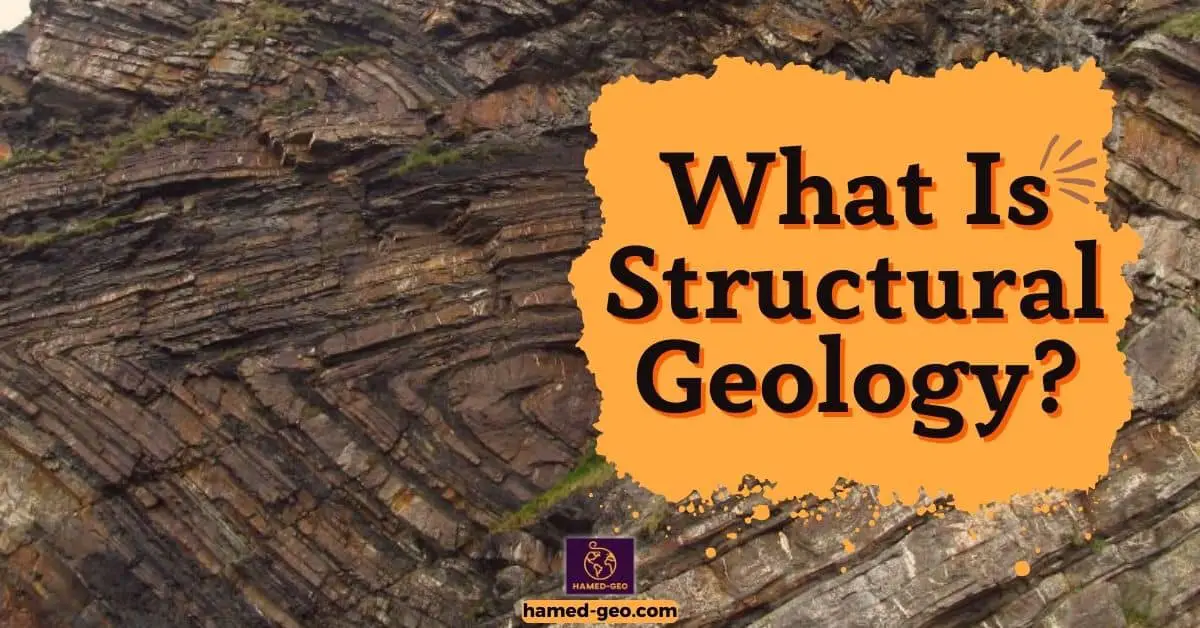
Picture this: you’re hiking through the Rockies, and suddenly—bam—you see these wild, twisted rock layers like someone crumpled a giant sheet of paper. That’s structural geology in action, folks. It’s not just some dusty textbook topic; it’s literally how we decode why the ground does what it does. Folds, faults, fractured bedrock—you name it. And yeah, it’s kinda the unsung hero of, well, not getting flattened by earthquakes or building skyscrapers on Swiss cheese dirt.
Let’s get real for a sec: why should you care? ’Cause this stuff matters. Like, right now, oil rigs in Texas are using these principles to avoid drilling into a fault line that could blow everything sky-high. Or engineers in Nepal? They’re mapping landslide risks using the same tricks structural geologists use to read rock wrinkles. It’s not just “important”—it’s the difference between a safe bridge and a YouTube disaster clip. (Ever seen those? Shudder.)
Here’s the thing—tech’s totally changed the game. Remember hauling compasses and notebooks up cliffs? Man, I’ve scraped my knees on shale so many times. Now? GIS and satellite snaps let us build 3D models of the Earth’s guts from our laptops. Wild, right? But—and this is key—it’s not just about fancy tools. It’s about squinting at a fault line at 6 a.m., coffee gone cold, realizing: this is how continents smashed together 200 million years ago. That “aha!” moment? That’s why we geek out over this.
Oh, and don’t get me started on predicting quakes. Yeah, it’s messy. Yeah, sometimes the models crash (teh frustration is real). But last year in Chile? Structural maps flagged a hidden fault weeks before tremors hit. Saved lives. So yeah—call me biased, but this field? It’s not just rocks. It’s literally holding the planet together.
Overview of Structural Geology
Alright, let’s talk structural geology. Honestly? It’s basically the earth’s scrapbook of all the times it got bent, broken, or shoved around by tectonic forces – you know, the whole “continents drifting like slow-motion bumper cars” thing. Why should you care? Well, if you’ve ever wondered why mountains exist, or why your coffee mug rattles during an earthquake, this is the field that cracks that code. It’s not just textbook diagrams; it’s how we actually read the planet’s history written in rock wrinkles and fault lines.
Think of it like this: the earth’s crust isn’t some solid, unchanging shell. It’s more like a giant, cracked eggshell floating on hot soup (magma, but way less appetizing). Structural geology digs into how that shell gets smashed, stretched, or crumpled – the actual mechanics behind folds, faults, and all those dramatic landforms. Here’s the kicker: this isn’t just academic navel-gazing. Understanding these squished-up rocks? That’s how we figure out where the next big quake might hit, or why certain valleys hold water (or don’t). It’s literally about keeping people safer.
And yeah, you absolutely can’t skip plate tectonics here. That theory? It’s the big picture – the reason the crust is moving and smashing in the first place. Plate tectonics explains why California’s got that San Andreas fault giving everyone the jitters, or how the Himalayas keep growing taller every year. Structural geology takes that global story and zooms right in: “Okay, this specific chunk of rock got folded this way because Plate A rammed into Plate B over there.” It’s messy, yeah, but that’s how mountains get made.
So yeah, structural geology… it’s the gritty, hands-on part of figuring out how our planet got its scars. You walk up to a cliff face, see those tilted layers, and bam – you’re reading a chapter from earth’s violent, beautiful autobiography. Kinda makes you appreciate not living near a fault line, huh?
Definition of Structural Geology
Ever wonder why mountains look like crumpled paper? That’s structural geology in action—it’s basically Earth’s crust getting bent, twisted, and sometimes shattered under pressure. Think of it like this: if the planet were a stress ball (which, honestly, it kinda is), this field figures out where it’ll snap next.
Here’s the thing—it’s not just about the obvious stuff like folds or faults. I mean, yeah, those are everywhere: imagine layers of rock folded like a taco (not the delicious kind—more like “whoops, tectonic plates collided”). But the real magic? How those little cracks snowball into whole mountain ranges or giant basins where oceans used to be. It’s like reading the Earth’s diary, but instead of ink, it’s written in shattered stone.
Wait—actually, scratch that. It’s deeper than just “reading rocks.” Structural geology’s about feeling the planet’s pulse. How does rock behave under pressure? Like taffy? Like chalk? (Spoiler: usually the chalk. Ouch.) This stuff isn’t just textbook trivia—it’s why we don’t build hospitals on active fault lines or drill for oil in places that’ll collapse like a house of cards. Remember the 2010 Haiti quake? Yeah. This science literally saves lives by predicting where the ground’s about to throw a tantrum.
Funny enough, it’s also why your local quarry looks like a giant’s Lego set got smashed. Miners need this knowledge—or they’ll hit a hidden fault and, well… let’s just say nobody wants a surprise sinkhole during lunch break. Even environmental cleanup leans on it: if you’re fixing contaminated groundwater, you’d better know how those cracks steer the poison toward your town’s well.
Call me weird, but I geek out over this. My first field trip, I stared at a fault line for an hour like it was a crime scene (“See that jagged edge? Yep, Pacific Plate shoved here 5 million years ago…”). Turns out, the Earth’s got drama hotter than any soap opera—and structural geology’s the only backstage pass we’ve got.
So yeah—it’s the backbone of earth science. Not because textbooks say so, but ’cause without it? We’d be digging blindly in the dark. Literally.
What Structural Geology Studies
So, you ever stare at a mountain and wonder how it got all twisted like that? Yeah, structural geology’s basically the detective work behind Earth’s wrinkles. What it really boils down to is figuring out how rocks get shoved, folded, and cracked over millions of years—kinda like trying to read a diary written in stone. You’ve got the big picture stuff, like how entire mountain ranges crumple up (hello, Himalayas!), but also the tiny details: squinting at a microscope to see how a single mineral grain got squeezed. It’s messy, honestly.
Here’s the thing—I remember hiking near the Rockies once, tracing this fault line with my boot. You could feel the story: rocks that used to sit side by side, now ripped apart by forces we can barely imagine. That’s structural geology in action. It’s not just about what happened; it’s about why. Like, what was Earth up to back then? Volcanoes? Continental collisions? Even the way gravity acts weird in certain spots (yeah, those “anomalies” folks babble about) gives clues. Ever felt that? Like the ground’s hiding secrets?
And don’t get me started on earthquakes. Seismic studies? Total game-changer. It’s like giving the planet an X-ray—suddenly you see the guts of it. But honestly, the coolest part? Watching rocks breathe. I mean, under insane heat and pressure, they don’t just snap—they flow like slow-motion toothpaste. Wild, right? Makes you wonder what else we’re missing…
Goals of Structural Geology
Ever wonder what structural geologists actually do all day? It’s not just staring at rocks and muttering about tectonic plates (though, okay, sometimes it is). Honestly, the whole point is figuring out how the Earth got all crumpled up—like, what forces squeezed mountains into being or twisted canyons into those jaw-dropping shapes. You know? It’s about piecing together the planet’s old scars to read its history, almost like a detective sorting through earthquake shrapnel.
Here’s the thing: this isn’t just textbook stuff. When we map out how rock layers bend or snap, we’re basically decoding the Earth’s trauma log. Take fault lines—say, the San Andreas. Studying those isn’t academic navel-gazing; it’s how we whisper to cities, “Hey, maybe don’t build the kindergarten right here.” And yeah, it gets practical fast: oil rigs, copper mines, even your local water well? Structural geology’s the reason they don’t drill into a void. (True story: I once saw a crew in Nevada almost miss a gold vein ’cause they ignored a tiny fold in the shale. Cost ’em six months. Oof.)
Wait—don’t think it’s all about resources though. Call me biased, but what hooks me is how this field stitches together the why behind disasters. Like, why this hillside slides when it rains, or why that town shakes when the ground grumbles. It’s not just “assessing hazards” (yawn)—it’s giving communities a fighting chance. You ever feel that rumble under your feet? Yeah. We’re the ones trying to make sure it doesn’t become the last thing you feel.
So yeah. Structural geology? It’s equal parts history book, treasure map, and early-warning system. Messy, vital, and way more human than it looks in those fancy textbooks.
Plate Tectonics
Ever wonder why the ground under your feet isn’t just… static? I mean, sure, it feels solid—until an earthquake rattles your coffee cup, or you see a mountain range jutting up like nature’s own Lego set. That’s where plate tectonics comes in. Honestly, it’s less like a textbook theory and more like Earth’s way of breathing: the whole outer shell—lithosphere, if we’re being fancy—is constantly shuffling around, grinding, colliding, you name it.
You see it everywhere once you know where to look. Take plate boundaries—the messy zones where these giant slabs meet. The San Andreas Fault? Classic example. One plate’s sliding past another like two cars scraping in a parking lot, and bam, earthquakes. Or Japan’s deep trenches, where one plate dives under another (subduction, they call it), spitting up volcanoes like a grumpy old dragon. These spots aren’t just random; they’re why we’ve got the Himalayas still growing taller every year. Crazy, right?
Funny thing is, this all started with poor Alfred Wegener. Back in the 1910s, he’s like, “Hey, continents look like puzzle pieces—what if they used to fit together?” Called it “Continental Drift.” But folks laughed him outta the room. Too wild. No proof. It wasn’t till the 1960s, with all that seafloor mapping and magnetic striping data, that scientists finally went, “Wait… he was onto something.” Now? Plate tectonics is the backbone of geology. But honestly, even now, standing on a fault line in California, you feel how alive it all is—like the planet’s got its own heartbeat.
(P.S. Ever felt the ground shake during a quake? That’s not just “geological activity”—that’s Earth reminding you who’s boss.)
Theory of Plate Tectonics
Ever feel like the ground’s kinda… alive under your feet? Like, not in a horror-movie way—more like it’s quietly rearranging itself while you’re busy checking your phone. That’s plate tectonics for you. Honestly, it’s wild how this idea flipped geology on its head.
Picture the Earth’s outer shell—not as one solid rock, but as a giant jigsaw puzzle floating on warm, gloopy stuff deeper down. We call those puzzle pieces tectonic plates. And get this: they’re always on the move. Not fast, mind you—about as quick as your hair grows (1 to 10 cm a year, if you’re counting). But over millions of years? That slow creep builds mountains, splits continents, and makes volcanoes blow their tops. Ever wonder why California’s so shaky? Or how the Himalayas got so dang tall? Yep, it’s all these plates bumping, grinding, and occasionally diving under each other like overeager dancers at a wedding.
Funny thing is, most folks don’t feel this happening day-to-day. But if you’ve ever been near an earthquake—or even hiked through the Rockies—you’re literally walking on the scars of this slow-motion drama. It’s not just “geology 101” stuff; it’s why your GPS works (seriously, satellites have to account for plate shifts!) and why your coffee might’ve shaken off the table in Mexico City last Tuesday.
So yeah—plate tectonics isn’t some dusty textbook theory. It’s the reason Earth breathes, cracks, and rebuilds itself. Kinda makes you wanna take your shoes off and feel that hum, huh?
Plate Boundaries
So plate boundaries, right? You know—the edges where tectonic plates bump into each other. Geologists’ve been nerding out over these for decades ’cause, honestly, they’re where all the drama happens underground. And yeah, there’s kinda three main ways plates interact. Let me break it down before I lose my train of thought…
First up: convergent boundaries. That’s when plates slam toward each other. Picture India crunching into Asia—that’s how the Himalayas got so damn tall. Or ocean plates diving under continents, making volcanoes spew lava everywhere. Fun? Not if you live nearby. Trenches form too, like the Mariana one—deep enough to swallow Everest whole. Wild, huh?
Then you’ve got divergent boundaries. Opposite situation: plates pull apart. Think Iceland—literally splitting down the middle. Or mid-ocean ridges bubbling up new crust. It’s like Earth’s got open wounds healing with fresh rock. Slow-motion stuff, but over millions of years? Whole continents drift. Crazy to imagine.
Lastly, transform boundaries (not “transform”—I always mix that up). Plates slide sideways, grinding past each other. San Andreas Fault? Classic example. No mountains, no volcanoes—just earthquakes rattling your coffee cup. “Wait, no—that’s why California’s so jumpy!” Yeah. Exactly.
Thing is, each boundary type leaves its own messy fingerprint on the planet. Mountains here, quakes there… it’s all connected. Makes you realize the ground under our feet isn’t just sitting there. It’s crawling, cracking, rebuilding—like a living thing. (Okay, not alive, but you get it.) Honestly? This stuff reshapes continents while we’re busy checking TikTok. Wild.
Plate Movement and Interactions
Okay, so picture the Earth’s crust—not as some solid rock shell, but like a cracked eggshell floating on warm pudding. Yeah, that’s the lithosphere: all these giant puzzle pieces (plates, big and small) sliding around like they’re late for a meeting. And honestly? This whole dance is why we get earthquakes, volcanoes—you know, the fun stuff.
Take divergent boundaries first. That’s where plates pull apart, like two friends avoiding an awkward conversation. New crust bubbles up to fill the gap—mostly out in the middle of oceans, where the seafloor’s basically stretching like old sweatpants. I remember staring at a map once, thinking, Whoa, the Atlantic’s literally growing wider while we chat. Wild, right?
Then there’s convergent boundaries—the drama queens. Plates smash together, and boom: mountains pile up (looking at you, Himalayas), trenches yawn deep enough to swallow skyscrapers, and volcanoes erupt like nature’s pressure valves. It’s messy. Crust gets recycled, folded, or just… gone. Kinda poetic, if you ignore the property damage.
Oh! And don’t get me started on transform boundaries. Those sneaky zones where plates slide past each other—no creation, no destruction, just pure sideways grudge match. Ever felt the ground shudder under your feet? Yeah, that’s probably the San Andreas Fault doing its slow-motion tango. Earthquakes here aren’t just common; they’re the only party invite.
Here’s the thing though: all this shuffling? It’s not random. It’s the planet’s heartbeat. Mountains rise, oceans widen, continents drift… all because these slabs can’t sit still. Makes you wonder—what’ll the map look like in another million years? (Spoiler: You won’t be here to see it. But hey, cool to think about, huh?)
Faulting and Folding
Okay, so you know how the earth’s crust isn’t just some solid rock slab? Nah—it’s more like a giant, grumpy puzzle that’s constantly throwing tantrums. And honestly? If you wanna get why mountains pop up or valleys yawn open, you’ve gotta wrap your head around faults and folds. Like, really get them. Not just the textbook definitions, but the messy, gritty how and why.
I mean, think about it: faults aren’t just cracks. Some slice sideways (strike-slip, if we’re being fancy), others lurch up or down (dip-slip—geologists aren’t always creative with names, huh?). And folds? They’re the earth’s crust doing the limbo. Anticlines arch like a frown; synclines sag like a tired smile. You’ve seen ’em in road cuts—those wavy rock layers that make you go, “Whoa, how’d that happen?”
Here’s the thing though—it’s not just academic. When a fault wakes up during an earthquake? People’s lives hinge on understanding that split-second lurch. Or picture a construction crew in, say, Nevada, hitting a hidden fault line. Suddenly, their foundation plans are trash. That’s why this stuff matters. It’s not just rocks—it’s roads, houses, safety.
So how’d these features even form? Well, mostly the earth’s crust playing tug-of-war. Tectonic forces shoving continents like bumper cars. Or sediment piling up so heavy it sags the crust (looking at you, Mississippi Delta). Even the planet’s own “breathing”—isostatic adjustments, fancy term for when land bobs up after glaciers melt. It’s all connected, y’know? Like, imagine the crust as a crumpled rug. Push one end? Everything wrinkles.
Wait—actually, scratch that rug analogy. Too tidy. Real geology’s messier. More like dropping a lasagna tray. Layers slide, buckle, snap… and yeah, sometimes you find three ancient fault lines stacked under your backyard. (True story from a buddy in Arizona. Poor guy’s pool project? Nah, he’s excavating a geology museum now.)
Point is: faults and folds aren’t just “types” in a manual. They’re the earth’s scars and stretch marks—proof it’s alive, breathing, moving. And if we learn to read ’em? We might just dodge the next big shake. Or at least stop building malls on top of sleeping faults. Cough, San Andreas.
Theory of Faulting and Folding
Ever stepped on cracked pavement and wondered, “How’d the whole planet get this busted up?” Yeah, me too. Thing is, it’s not just earthquakes making a mess—well, okay, mostly earthquakes—but it’s this whole messy dance of the Earth’s crust getting shoved around. Call me dramatic, but picture the ground like a giant jigsaw puzzle made of rock slabs. When those slabs decide to crash into each other, pull apart, or just slide sideways like grumpy neighbors? Boom. That’s when the ground folds or snaps.
Faulting? That’s when rock layers actually break. One side lurches up, down, or sideways—like when you snap a dry cookie. And trust me, this isn’t just textbook stuff. I saw it firsthand in Nevada last summer: this massive crack splitting a desert road, one side lifted like a dropped sidewalk. That’s faulting building valleys or mountains while you’re busy checking your phone. Meanwhile, folding’s the quieter cousin—no snapping, just slow-motion bending. Pressure piles on, and rock layers warp like a rug shoved under a sofa. You get those swoopy hills or deep dips (geologists call ’em anticlines and synclines—fancy, huh?).
Funny enough, this isn’t just geology 101. It’s why the Grand Canyon’s a thing. Or why my buddy’s back still hurts from hiking those folded ridges in Vermont. Honestly? It’s wild how these slow-motion crashes shape everything—from where rivers cut to where your GPS glitches out in a canyon. So yeah, next time you’re hiking and spot tilted rock layers? That’s the Earth’s old drama playing out. Still blows my mind.
Types of Faults
Alright, so we’ve got this whole plate tectonics thing down, right? Cool. That’s basically the big picture—why the ground isn’t just sitting still like a lump. But how does that actually show up? Like, what’s happening under our feet when stuff shifts? Let’s talk faults. You know, those cracks where things have really moved.
Honestly, faults are just fractures where one side’s slid past the other—sometimes a lot. And yeah, geologists lump ‘em into three main flavors: normal, reverse, and strike-slip. Don’t let the names scare you; it’s kinda intuitive once you picture it.
Take a normal fault. Imagine you’re standing on a hillside, and the rock above the break—that’s the “hanging wall,” weird name, I know—just kinda… slides down the slope. Like it’s giving up. Why? ‘Cause the crust is getting pulled apart, stretched thin. Think taffy. So yeah, the ground actually lengthens there. Happens a lot where plates are diverging, like in rift valleys. Annoying for roads, let me tell ya.
Now flip it: reverse faults. This time, the hanging wall? It climbs up over the other block. Feels like the crust is doing crunches, squeezing itself shorter. That’s compression for you—plates shoving together. You see this near mountain belts, where the earth’s getting all scrunched up. Makes building tunnels a proper nightmare, honestly.
Then there’s strike-slip. These guys? They just slide past each other, horizontal-like. No up, no down—just side-to-side grinding. San Andreas Fault? Classic example. Shear stress, pure and simple. Ever seen those zigzag cracks in old desert roads? That’s strike-slip energy, baby. Just neighbors refusing to get along.
Thing is, each fault type’s basically a fingerprint of the forces at work. Normal fault? The crust’s relaxing, stretching out. Reverse? It’s stressed, packed tight. Strike-slip? Just busy shuffling sideways. So next time you’re hiking and spot a weird offset in the rock layers… yeah, that’s the earth’s story written in broken bits. Makes you wonder what’s grinding beneath your town, huh?
Types of Folds
Okay, ditch the whole “grandeur of continental plates” thing—it’s textbook AI trying way too hard. Let’s talk rocks like we’re hunched over a coffee-stained field map, yeah?
So, picture this: the earth’s crust isn’t some stiff board. It’s more like… a wrinkled bedsheet someone shoved under a mattress. Geologists call those wrinkles folds—just layers of rock bending under pressure, like when you push a rug and it bunches up. And honestly? There’s three main kinds you’ll trip over: anticlines, synclines, and monoclines.
Anticlines? Those are the upward arches—the hills where the oldest rocks peek out dead center. I always mix these up with synclines (don’t judge—I failed my first field exam on this). Synclines dip downward, cradling the youngest rocks in their belly. And monoclines? Meh. They’re the lazy ones—mostly flat, but with one sudden “whoa” dip, like a shelf someone halfheartedly tried to install.
Here’s the thing though: you rarely see just one fold chilling solo. Out in the real world—like, say, the Rockies or the Himalayas—they pile up in these messy clusters called fold-and-thrust belts. It’s chaos. Beautiful chaos. Makes you realize the planet’s not just some static sculpture; it’s been crumpling and stretching for millions of years. And yeah, this isn’t just academic navel-gazing. Finding oil? Gas? Those anticlines? They’re like nature’s treasure chests. (Ask any geologist drilling in Texas—they’ll swear by it over cold beers.)
Wait—why does this matter to you? Well, next time you’re hiking and see tilted rock layers? That’s not “just geology.” That’s the earth whispering its war stories. Kinda humbling, huh?
Earthquakes
You know how earthquakes scare the hell out of everyone? Yeah, they’re not just a “thing that happens”—they’re a global headache. And honestly, to even start dealing with them, you gotta get why they kick off in the first place. Plate tectonics, mostly—the whole “continental plates grinding like stubborn mules”—but also volcanoes blowing their tops. Important? Absolutely. But here’s what really keeps geologists up at night: how hard the earth actually shakes. That’s the magnitude, right? Not some fancy number on a chart, but the raw energy dumped right where the quake starts. Like, imagine slamming a door versus kicking it down—same house, wildly different oomph.
Now, that energy doesn’t just sit there. Nah, it zips through the earth’s layers like ripples in a pond after you toss a rock. We call those ripples seismic waves, and they’re the reason your coffee cup dances off the table. Wild, right? But here’s the kicker: to make sense of any of this, you’ve gotta dig into earthquake history. Old records, cracked foundations, even diary entries from 1800s miners—stuff that feels dusty ’til a new tremor hits. Because those past quakes? They’re not just footnotes. They’re clues. Like, “Hey, this spot broke before… might do it again.”
Wait—let me backtrack. Magnitude matters, sure, but it’s not the whole story. A 7.0 deep underground might rattle windows, while a 6.5 shallow one? Could flatten a town. Context is everything. And yeah, studying all this—waves, history, the whole messy chain—feels slow. Tedious, even. But ask anyone who’s lived through “the big one”: it’s the difference between guessing and knowing. Between “maybe” and “get out now.”
What Causes Earthquakes
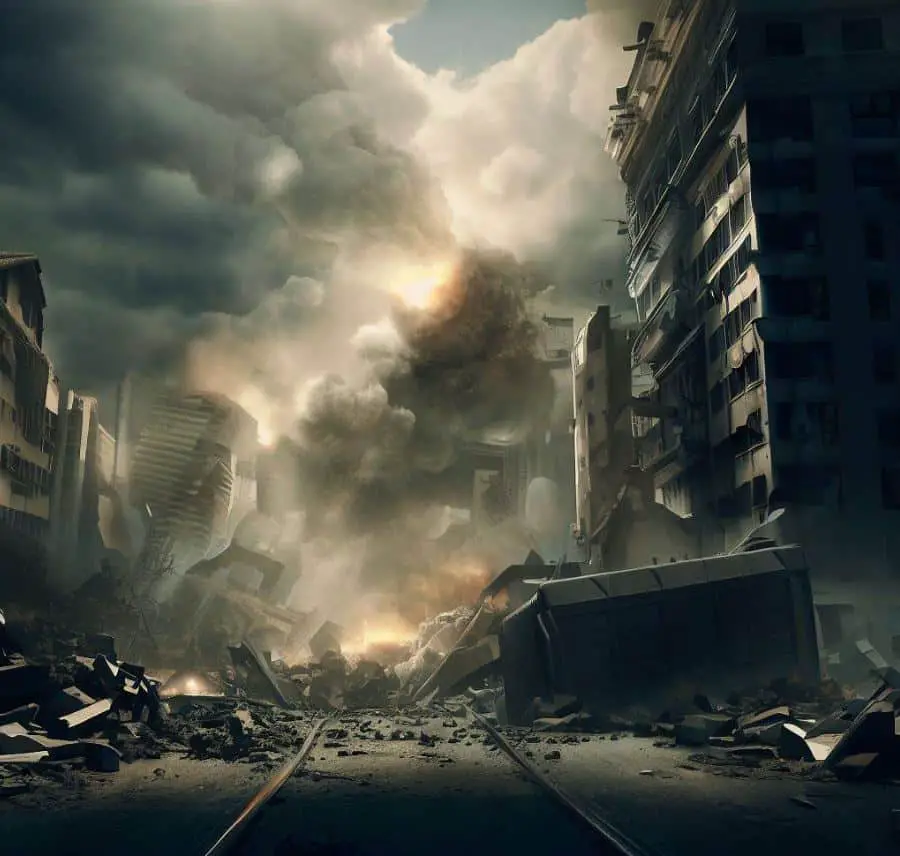
You know how the earth’s crust isn’t just sitting there like some lazy Sunday pancake? Nah—it’s shifting, folding, cracking… all the time. And when those deep-down forces get restless? Boom. Earthquakes.
I remember my first real quake—cup rattling, dog whining, that weird hum in your bones. Turns out, it’s all happening way deeper than we think. Like, way deeper. We’re talking the lithosphere here—the planet’s rigid outer shell—where giant tectonic plates grind against each other like stubborn neighbors arguing over a fence line. Stress builds up slow and quiet, year after year… until snap. Energy blasts out in seismic waves. You’ve felt those ripples, right? That’s the earth basically shouting, “Hey! Pay attention!”
Funny thing—the real action starts underground at this spot geologists call the hypocenter (or focus, if you’re feeling fancy). Right above it? The epicenter—where all hell breaks loose on the surface. But here’s the kicker: most quakes aren’t random tantrums. They’re from faults—those jagged cracks in the crust where rock blocks finally give up and slide past each other. Think of it like trying to shove two pieces of sandpaper together… then whoosh, they slip. That slip? It’s the plates’ slow-motion dance finally cutting loose.
Call me old-fashioned, but I still get chills thinking about it. All that power, just… there, under our feet. Waiting.
Earthquake Magnitude
So, you ever feel the ground shiver just a little? Like your coffee cup does a tiny jig on the table? That’s usually a magnitude 3.0 or so—a real “meh” quake. But here’s the wild part: every whole number jump on the Richter scale isn’t just a bit stronger—it’s way wilder. Picture this: a 5.0 isn’t twice as intense as a 4.0. Nah. It’s like, ten times the shaking and roughly thirty-one-and-a-half times the raw energy. Yeah, thirty-one point six—Charles Richter cooked up that math back in ’35, and honestly? My brain still trips over it. (I keep thinking it’s 32… close enough, y’know?)
Wait, though—don’t get stuck on “Richter.” Geologists kinda rolled their eyes at it years ago. For big, deep, or far-off quakes? They use this other scale now: moment magnitude (Mw). It’s… well, more honest. Measures the actual energy ripped from the earth’s bones, not just what a seismograph scribbles.
Take Chile, 1960. That Valdivia quake? 9.5 Mw. My grandpa had a seismograph in Santiago—he told me the needle went crazy, like it was trying to escape the paper. Whole hillsides melted. And that’s the thing: when you hear “magnitude 9,” it’s not just a number. It’s the planet reminding us who’s really in charge. (Ever felt that? Like, literally felt the earth breathe? I did once in ’08—just a 4.2, but my dog hid under the couch for an hour. Dogs know.)
Funny how we slap numbers on chaos, huh? Makes it feel… manageable. Until it isn’t.
Seismic Wave Propagation
Okay, so we’ve talked fault lines and folded rock layers—now let’s pivot to earthquakes, yeah? Specifically, how those shivers travel through the ground. That’s the real kicker: seismic waves.
Here’s the thing. When the earth cracks open (and trust me, it will), energy blasts out as waves. They rip from the quake’s origin point—the hypocenter, deep below—and race through the planet’s guts. But get this: they don’t just barrel straight through. The rocks they hit? Totally change the game. Hit soft, squishy mud? Waves slow down. Slam into dense basalt? They speed up. And when that happens—bam—you get refraction. That’s just a fancy word for “the wave bends,” like light through water.
Funny enough, this isn’t just textbook stuff. I was talking to a seismologist last month (over terrible coffee, naturally), and she put it bluntly: “If you wanna know why your grandma’s house shook but yours didn’t? Follow the waves.” Turns out, these bends and speed shifts? They’re like X-rays for the Earth’s insides. Suddenly, we’re mapping hidden faults or magma pockets—just by tracking how waves zigzag.
Wait, there’s more. Remember those folded layers we chatted about earlier? Turns out, waves hate bouncing off them. They scatter, twist… sometimes even amplify the shaking right where you least expect it. That’s why two towns 20 miles apart can have totally different quake stories. One’s foundations hold; the other’s crumble. All ’cause of how waves danced through the dirt.
So yeah—it’s not just about the initial rupture. It’s the journey. And honestly? That’s where the real magic (or terror) lives. Ever felt your coffee cup rattle during a tremor? That’s seismic waves saying hello. Messy, unpredictable… and absolutely human to figure out.
Volcanoes
So, you wanna get volcanoes? Honestly, start by ditching the whole “volcano = angry mountain” idea. They’re way weirder than that. Like, some just ooze lava like toothpaste (looking at you, Hawaii), while others—boom—blow their tops off in a cloud of ash that shuts down flights for weeks. Remember Eyjafjallajökull in 2010? Yeah, that kind of “oops.”
Here’s the thing: how they even form isn’t just magma bubbling up. Picture this—deep down, rock melts into sludge, pushes through cracks, and piles up over centuries. Sometimes it’s slow (Mauna Loa’s been at it for 700,000 years!), other times? Bam. Mount St. Helens in ’80 taught us you don’t get a second warning. Which is why monitoring them isn’t just cool science—it’s life or death. Seismometers, gas sniffers, even satellite eyes… we’re basically volcanoes’ anxious roommates, watching for tremors or that sulfur stink.
And yeah, digging into old eruptions? Total time travel. Pompeii’s ash preserved bread—but it also shows us patterns. Like, if Yellowstone’s been quiet for 70,000 years… well, let’s just say geologists sleep lightly. Oh, and the lava itself? Don’t call it “rock.” It’s this wild mix—glassy obsidian, gritty ash that chokes engines, even those weird lava balloons that float. I once saw a farmer in Sicily curse black sand from Etna ruining his olives for months. That’s why this stuff matters. It’s not “significant implications”—it’s your garden, your flight home, your life getting rewritten by ancient earth juice.
Types of Volcanoes
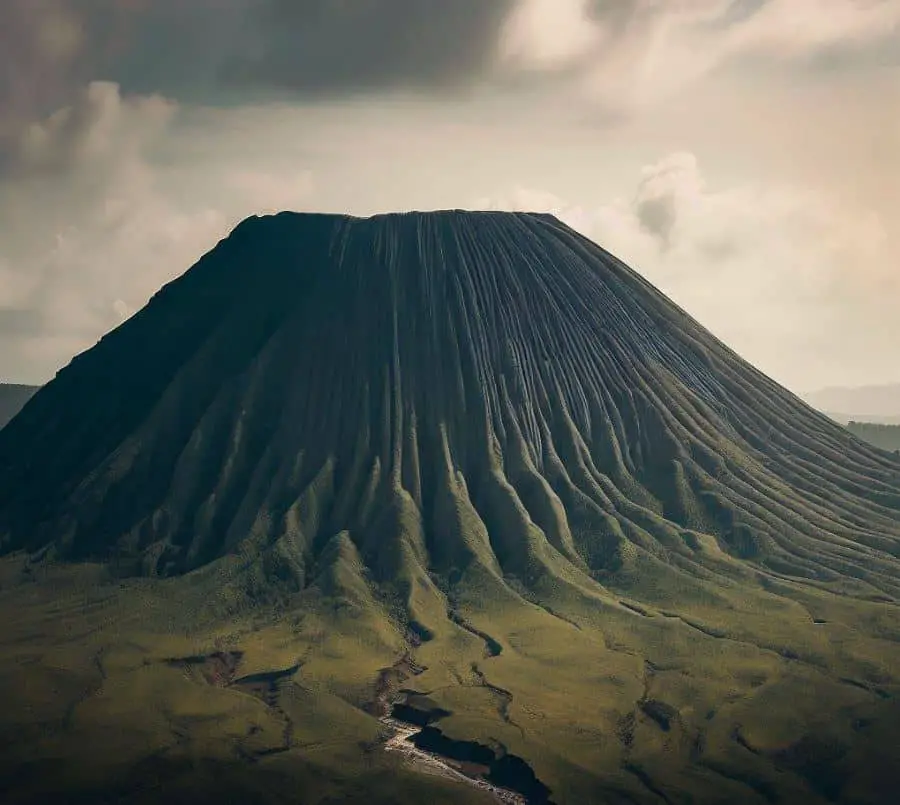
Okay, so earthquakes get all the headlines—boom, the ground shakes, everyone panics. But honestly? Volcanoes are where things get really interesting. I mean, sure, they’re terrifying (rightly so), but as someone who’s hiked up enough cinder cones to feel it in my knees, let me tell you: they’re also weirdly beautiful. Like, have you ever stood on the edge of a crater and watched lava ooze like slow-motion honey? Chills.
Anyway, volcanoes aren’t all one-size-fits-all. Nope. There’s this whole family of them, each with its own personality. Take shield volcanoes—they’re the chill, laid-back cousins. Super broad, super flat, like someone flattened a giant pancake with a steamroller. Hawaii’s Mauna Loa? Classic example. Lava just flows outta there, all lazy and syrupy, covering miles before it hardens. Kinda mesmerizing, honestly.
Then you’ve got cinder cones. Those guys are drama queens. Steep, pointy, and built from all the ash and rocks they’ve violently coughed up over time. Think of Sunset Crater in Arizona—I once tripped climbing it (dirt under my fingernails for weeks). They’re not huge, but man, they pack attitude.
But here’s the kicker: most of the big, famous ones? Like Fuji or St. Helens? Those are composite volcanoes (or “stratovolcanoes” if you wanna sound fancy). They’re the overachievers—towering, symmetrical, and built layer by layer from lava and explosive debris. One minute they’re quietly oozing lava; the next, kaboom—ash plume to the stratosphere. Scary? Absolutely. But also… weirdly elegant? Like nature’s own cathedral.
Wait—should I mention lava domes? Maybe later. Point is, volcanoes aren’t just “fire mountains.” They’re storytellers. Each type whispers something different about what’s churning deep below. Ever felt that? Like the earth’s got secrets it’s dying to spill…
Volcano Formation Process
Okay, so picture this: you’re hiking through some scrubland, boots kicking up dust, when—whoa—the ground heaves under you. Not like an earthquake, y’know? More like the earth’s holding its breath, swelling up slow and stubborn ’til bam, it’s spitting fire and ash like a kettle left on too long. Yeah, that’s a volcano being born. Wild, right?
Here’s the thing though—it ain’t some overnight drama. Nah, it’s way more like… well, remember when you tried to melt crayons as a kid? (Don’t lie, we all did.) You’d hold that lighter under the wax, and nothing’d happen for ages. Then—splot—molten color everywhere. Earth’s kinda like that, but swap crayons for tectonic plates. Those giant puzzle pieces driftin’ under us? Sometimes one shoves under another—geeks call it “subducting,” but honestly, it’s just plate-on-plate bullying.
And get this: that shoved-under plate? It bakes. Like, thousands of feet down, the heat’s so insane it turns rock into this gloopy magma. (Magm- sorry, got ahead of myself.) Now, that stuff’s lighter than the crust above, so it bubbles up, hunting for a way out. Takes forever though—like, seriously forever. We’re talkin’ thousands of years. Longer than your Wi-Fi password history, probably. My buddy Dave’s grandkid’s grandkid might see it blow.
Funny how people think volcanoes just pop up overnight. Nah. It’s the earth’s version of slow-cooker stew—simmering, bubbling, waiting. And when it finally erupts? Well… let’s just say you don’t wanna be the mosquito on that windshield.
(P.S. Ever stepped on hot pavement and felt that ouch? Imagine that heat comin’ from miles down. That’s your magma, baby.)
Volcano Monitoring
Okay, so earthquakes? Total wild card—like trying to predict a sneeze. But volcanoes? Man, standing near one feels like peering into hell’s kitchen. Molten rock bubbling, that low roar you feel in your boots… yeah, that’s the vibe.
Anyway, here’s the thing about watching these beasts: it’s not just slapping a sensor on a mountain and calling it a day. Nah. We’ve got seismometers listening for tiny tremors—kinda like holding your ear to a railroad track, waiting for the train. Then there’s geodesy (fancy word, I know), where GPS units track how the ground swells or slumps. Like, if the volcano’s belly’s getting bigger? Uh, probably bad news.
And the gases? Oh, they’re the real tell. CO2 spikes, sulfur stink—you name it. I was chatting with a volcanologist last year (cool dude, wore a shirt that said “I ❤️ Lava”), and he said: “When the gases go nuts, it’s like the mountain’s hyperventilating.” Makes sense, right?
Wait—forgot to mention the crazy part: we’ve got satellites doing this from space. No joke. Thermal cameras up there catch heat leaks before your average ground sensor blinks. And ground crews? They’ve got thermal cams pointed at vents like it’s a campfire, plus gas sniffers that’d make a bloodhound jealous.
Thing is, none of this is foolproof. Sometimes the data’s messy—like last time in Iceland when the sensors went haywire but no eruption happened. Scientists still scratch their heads over that one. But hey, it’s better than guessing. This stuff? It’s literally how we buy time for folks to grab their dogs and run.
Subsidence and Landslides
Alright, let’s talk about why the ground sometimes just… gives up on us. Seriously, have you ever driven past a spot where the road suddenly dips like a bad rollercoaster? That’s subsidence, and figuring out why it happens is step one. Is it old mines collapsing? Too much water pumped out? Or maybe Mother Nature just decided to reshuffle the dirt under our feet? Gotta nail the cause before we can fix it.
Then, landslides. Ugh. They’re not just “oh no, a hill slid.” There’s usually a trigger – like a ton of rain hitting already shaky ground, or someone bulldozing the base of a slope way too aggressively. (Pro tip: never mess with a slope’s foundation. It’s like kicking the legs out from under a wobbly table.) Once we get how they start, we can actually do something about it. And yeah, the fixes matter – like, a lot. Think retaining walls that don’t look like prison blocks, or planting deep-rooted trees that basically hug the soil together. It’s not just theory; these things literally save homes.
Oh! And real-world examples? Super helpful. I remember this one case in Washington State where a whole neighborhood started creeping downhill after a wet winter – slow at first, then bam, cracked foundations everywhere. Studying stuff like that? It’s like reading the earth’s diary. Shows you exactly where the weak spots are.
But here’s the kicker we can’t ignore: we’re often the ones poking the bear. Pumping out groundwater for farms, building on unstable slopes ’cause the view’s nice… yeah, that’s on us. Human activity isn’t just a factor in subsidence; sometimes, honestly? It’s the main event. Like, we literally dig our own holes. (Pun kinda intended.)
So yeah – let’s unpack all this, step by messy step. Because understanding how the ground moves is the only way to keep it from moving under us.
Causes of Subsidence
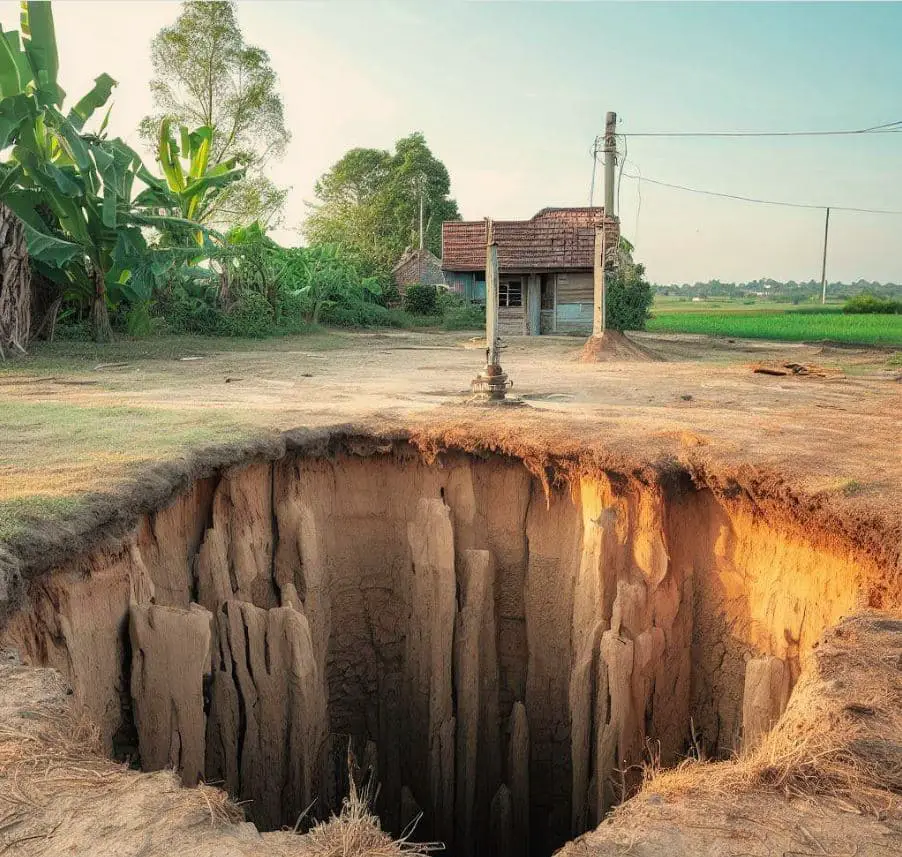
You know those dramatic volcano videos? All smoke and fury, right? But honestly, once that ash settles, the real slow-motion drama starts underfoot. Because yeah, volcanoes shake things up—but land sinking? That quiet creep? Honestly, we kinda sleep on subsidence way too much. It’s everywhere, and it’s sneaky.
Take groundwater pumping. Seriously, picture this: farms sucking up water like it’s going out of style, cities guzzling it dry… well, all that emptying out? It’s like popping the air out of a balloon under the soil. The ground just… compacts. Loses its puff. Suddenly, your backyard’s a few inches lower, and good luck getting that foundation stable. I saw it happen near my cousin’s place in the Central Valley—roads buckling like old carpet, irrigation ditches just giving up. It’s not just theory, man; it’s right there under your feet.
Then there’s mining. Oof. When they haul out coal, salt, you name it… they leave these giant empty pockets down below. And earth? It’s not exactly trust-fund material. Eventually, that roof will cave. Boom—sinkhole, cracked houses, that weird dip in the highway you always swerve to avoid. Wait, there’s more… even natural stuff gets in on the act. Like limestone? That stuff’s basically nature’s sugar cube. Water seeps in, dissolves it bit by bit… until whoosh—your neighbor’s minivan vanishes. Sinkholes aren’t just movie magic; they’re the earth’s way of saying, “Oops, structural integrity? Never heard of her.”
Call me weird, but I find this stuff way more unsettling than a lava flow. At least that you see coming. Subsidence? It’s the quiet neighbor who’s been slowly stealing your driveway for years. You ever just… notice your door sticking more than usual? Might wanna check the ground. Just sayin’.
Causes of Landslides
Whoa—okay, so we just got done with volcanoes spitting fire everywhere, right? Now let’s talk landslides. Seriously, these things? They’re low-key terrifying. And honestly, they don’t just happen outta nowhere. It’s usually this messy pile-up of stuff, like knocking over one domino and suddenly the whole shelf collapses. Yikes.
So, yeah—geology’s usually the quiet culprit here. Like, maybe the ground’s just… weak. Or it’s all crumbly from weathering, or slopes are so slick they might as well be greased. (I saw this near Boulder once—whole hillside just slid after a storm. Wild.) But get this: we mess things up too. Chop down trees? Dig too deep? Mess with water flow near construction sites? Yeah, that’s basically handing Mother Nature a match.
Oh! And water’s sneaky. Not the kind you see—it’s the stuff underground, messing with pressure. One minute the slope’s chill, next minute? Water’s pushing everything loose. Plus, rain—real heavy, all-day rain—or snow melting fast, or even earthquakes shaking things up… boom. Slope says “nah, I’m done.”
Wait, actually—scratch that “plus.” Biggest thing people forget? Trees. Yeah, roots are like nature’s glue. Rip ’em out, and suddenly the dirt’s just… waiting to run. I mean, it’s not just one thing, you know? It’s all tangled up. Like, deforestation plus heavy rain plus weak rock? That’s when you get the nightmare scenarios.
Landslide Mitigation Strategies
Okay, so volcanoes are scary and all—but honestly? Landslides? They get under my skin more. One minute everything’s fine, the next—boom—your neighbor’s house is buried under mud and rocks. Total nightmare, right? And yeah, we can do stuff about it, but it’s not like flipping a switch.
Let’s break it down. First off: avoidance. Sounds obvious—don’t build where slides happen—but try telling that to a developer salivating over ocean-view lots. Zoning laws? They get messy fast. I’ve seen towns argue for years over whether “high-risk” means “avoid like the plague” or “meh, just add insurance.” Spoiler: it’s usually the first one.
Then there’s stabilization—the gritty, expensive part. Drainage pipes snaking down slopes? Check. Retaining walls? Sure, if you’ve got cash. Anchors drilled deep? Maybe. Thing is, it’s never perfect. I drove through Oregon last fall and saw a “stabilized” hillside that just… gave up after one heavy rain. Mud everywhere. Like the engineers tried their best, but nature shrugged.
And protection? That’s the Hail Mary. Flexible barriers, deflection walls—they sometimes work. But honestly? If a landslide’s coming full-tilt, good luck. I remember this one video (you’ve probably seen it too) where a wall just folded like paper. Heartbreaking.
Here’s the kicker though: none of this works if you skip the homework. Hazard assessments? Crucial. Not the kind where some intern glances at a map and calls it a day. I’m talking boots-on-the-ground surveys, digging into old records, actually listening to folks who’ve lived there for decades. Because yeah, geotech reports matter—but so does Mrs. Garcia down the street who’s seen that hillside “breathe” after every storm. Skip that step? You’re basically gambling with people’s lives. And trust me, Lady Luck hates landslide zones.
Natural Resources
You ever notice how we take water for granted? Like, yeah, we know it’s life itself—no water, no us—but honestly? We’re kinda sucking aquifers dry like they’re bottomless soda fountains. And it’s not just wells running dry (though, ouch, that’s bad enough). Farms choke, cities panic when reservoirs shrink… I mean, last summer, my buddy’s well in Arizona? Gone. Just dust. Meanwhile, minerals—the shiny stuff powering our phones and cars—are getting scarcer by the minute. We’re digging deeper, wrecking landscapes, all while pretending there’s an endless supply. Spoiler: there isn’t.
Oil and gas? Don’t get me started. Yeah, they keep the lights on and the roads humming—gotta admit, that’s huge—but every barrel we pull up feels like borrowing trouble. Climate change isn’t some far-off horror movie; it’s now. You feel that summer heat baking your car seats? Part of that’s us. So yeah, “sustainable use” isn’t just some fancy term bureaucrats throw around. It’s literally about not screwing over our kids’ future. But here’s the kicker: doing it right? Really hard. Because every time we try to balance “need now” with “save for later,” someone’s gotta compromise. Farmers need water today. Miners need jobs this quarter. And honestly? Sometimes the “balanced approach” feels like trying to thread a needle during an earthquake. We have to get better at this—like, yesterday—before the well’s truly empty.
Groundwater Resources
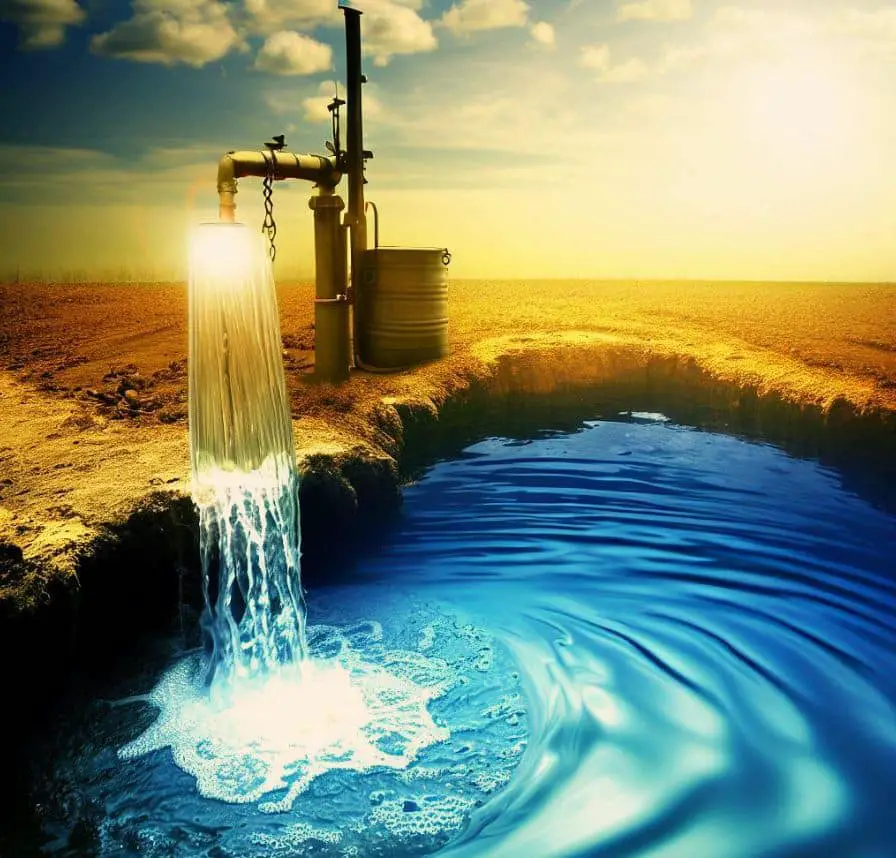
Okay, so yeah, landslides and sinkholes? Scary stuff, no doubt. We covered that. But hold up – gotta pivot for a sec. There’s this real treasure hiding underground that we kinda ignore way too much: groundwater. Seriously, picture this – it’s like the planet’s secret bank account. Like, 30% of all the fresh water people actually use worldwide? Yeah, that’s groundwater. And for farming? Wild – over half, maybe even 63% in some places, comes straight from below our feet. Think about that next time you bite into an apple. Plus, billions of folks – over 2.5 billion, actually – their only drinking water comes from this stuff bubbling up from aquifers. My grandma’s well in Texas? Dry as a bone last summer. Hit home.
Here’s the thing though: we treat this like an endless piggy bank we never check the balance on. We just… pump it out. No real clue how fast it’s refilling (or if it even is), especially with the weather getting all wonky. Demand’s sky-high, climate’s messing with the recharge cycle… it’s a recipe for trouble. Big trouble. So yeah, managing this stuff sustainably isn’t just some fancy term – it’s basically survival. We have to get serious.
How? Well, it’s not rocket science, but it takes work. Gotta actually watch the levels properly, you know? Like, real-time monitoring, not just guessing. Push for smarter irrigation tech on farms – drip systems, stuff that doesn’t waste a drop. And yeah, rules matter. Solid laws to stop people from sucking aquifers dry just ’cause they can. It’s not sexy, but hey, neither is running outta water. We’re kinda banking on it, literally.
Mineral Resources
Okay, so here’s the thing about minerals—you know, the real stuff buried deep down? Honestly, they’re like Earth’s piggy bank, but way older and way more important than spare change. Think about it: most of the world’s economies? They kinda lean heavily on this stuff. Like, heavily.
Now, here’s where it gets wild: this isn’t something we can just… renew. Nope. We’re talking millions of years for a single chunk of iron ore to bake itself together underground. Millions! Meanwhile, we’re yanking it out to build skyscrapers, make phones, power cities—you name it. Take iron ore, for example. Pull that out, smelt it down, and boom—you’ve got steel. The literal bones of every bridge and building you’ve ever seen. And those fancy rare earth elements? Neodymium, dysprosium… yeah, the ones nobody can pronounce? Without ’em, your sleek laptop or that super-strong magnet in your earbuds? Forget it. Gone.
But here’s the kicker—and this really stuck with me when I first learned it—the value of all this stuff? It’s all over the place. One day it’s hot, the next it’s not. Why? Well, depends on who’s buying, what tech pops up, or if some country decides to play hardball. Remember graphene? That weird carbon stuff—just a single layer of atoms, like nature’s cling wrap? A few years back, everyone was losing their minds over it. “Stronger than steel! Lighter than air!” Suddenly, labs were tripping over themselves trying to make the next big thing out of it. Made me think: man, if that can shoot up in value overnight, what else is hiding down there we haven’t even thought of yet?
(Wait—did I just say “nature’s cling wrap”? Yeah, okay, that’s kinda dumb. But you get the idea, right?)
Point is, this isn’t just dusty old rocks. It’s the messy, lumpy, human scramble to dig up yesterday’s dirt for tomorrow’s tech. And honestly? It kinda blows my mind how much we’re betting on something we can’t even replace. Ever feel like we’re playing Jenga with the planet’s foundation? Just… thinking out loud here.
Oil and Gas Resources
So, oil and gas? Yeah, they’re basically everywhere underground—crude oil, natural gas, that tricky shale gas stuff. Picture ancient plankton and algae, dead as a doornail for millions of years, getting squished under insane heat and pressure. Gross, right? But hey, that’s how we get the juice.
Thing is, this stuff? It’s huge. Like, really huge. Back in 2019, some IEA report—I think it was 2019?—said oil and gas make up over half the world’s energy pie. Seriously, over 50%. They’re why your car runs, why factories hum, why your apartment doesn’t turn into an icebox in January. You know, the stuff we kinda take for granted until the lights flicker.
Wait, though. Here’s the kicker: it’s not endless. At all. We’re pulling up fossils, basically—once it’s gone, it’s gone. And man, getting it out? Messy business. Spills that choke rivers, fumes that make your eyes water, and yeah… the whole climate thing. Feels heavy, doesn’t it? Like we’re borrowing from the future and not even saying “thanks.” So yeah, we gotta get smarter—way smarter—about how we yank it up and burn it. Otherwise? We’re just digging our own hole. Literally.
(Pauses, stirs coffee)
Anyway. That’s the gist. You ever drive past those pumpjacks bobbing in a field? Kinda makes you think, huh?
Structural Mapping
Okay, so picture this: you’re knee-deep in dirt somewhere off the map, trying to actually understand what’s going on under your boots. Structural mapping? Yeah, it’s basically geology’s way of playing detective with the Earth. You start with geological mapping—not just slapping lines on a paper, but seeing the land like it’s telling a story. Those squiggly rock patterns? They’re clues, man.
Then you’ve got remote sensing—fancy talk for “don’t dig yet.” Satellites, drones, whatever. It’s like getting X-ray vision without the radiation (mostly). Saves your back, but honestly? Sometimes the tech glitches out ’cause, well, nature’s messy. And don’t get me started on geophysical surveying. You’re waving magnetometers or ground-penetrating radar around, hunting for hidden faults or ore veins. Feels like ghost-hunting, but with more coffee and fewer jump scares.
Here’s the magic trick, though: stitch it all together. Suddenly you’ve got these geological cross-sections—vertical slices through the planet, like cutting a cake you can’t eat. Boom. All those surface scribbles? Now you see how the layers actually stack up underground. It’s the “aha!” moment after hours of head-scratching.
But none of this works if you skip the field methods. Get your hands dirty. Measure strike and dip, hammer samples, curse when your GPS dies in a canyon. That’s where the real data lives—not in some sterile lab, but in the mud, the sweat, the “Wait, is this shale or just really stubborn dirt?” moments.
Funny thing? Every piece feeds the puzzle. Mapping shows the surface scars; remote sensing hints at secrets; geophysics whispers what’s buried; cross-sections connect the dots. And yeah, fieldwork? That’s where you realize textbooks never prepare you for how heavy a rock hammer gets after mile three. Call me old-fashioned, but that’s how you learn the Earth’s true story—not by staring at screens, but by listening to the dirt.
Geological Mapping
You know how sometimes you’re digging in your garden and bam—hit a layer of rock that just won’t quit? Yeah, that’s kinda what geologists deal with daily, but on a planet-sized scale. Geological mapping? Honestly, it’s less “Indiana Jones adventure” and more “squinting at dirt until your eyes cross.” But here’s the thing: it’s how we actually see what’s buried under our feet. Forget those glossy textbook diagrams—it’s about getting your boots muddy, hammer in hand, tracing where rocks really sit.
Take caliche (yeah, that nightmare layer we talked about earlier). Out in Arizona or New Mexico, one wrong dig and—thunk—you’re staring at ancient cemented gunk that laughs at your shovel. Mapping that stuff? It’s not just about dots on a page. You’re piecing together Earth’s diary: why that layer’s there, how it shifted, what secrets it’s hoarding. Drones and fancy software help now, sure—but honestly? Nothing beats kneeling in the dust, feeling the grain of a rock. You miss the story if you skip the fieldwork.
Wait—let me backtrack. It’s not just rocks. It’s about you. Ever heard of a sinkhole swallowing a house? Or a pipeline bursting because someone misread the ground? Yeah. A solid geologic map? That’s your shield. It’s the reason we don’t drill into aquifers or build schools on fault lines. Call me old-fashioned, but I’d trust a hand-drawn map from a 1950s surveyor over a “perfect” AI model any day. Why? Because humans care about the cracks, the weird outliers—the stuff algorithms gloss over.
So yeah. Next time you’re driving through the desert and see those weird striped hills? That’s not just scenery. It’s a 200-million-year-old warning label. And the map that keeps you safe? Yeah, that’s the real hero. (P.S. If you’ve ever tripped over a root and cursed the ground? You’re basically a geologist. We’ve all been there.)
Remote Sensing

Okay, so we’ve covered all that natural resource stuff—now let’s pivot to structural mapping. Actually, scratch “pivoting.” It’s more like… squinting at the ground from space? Wild, right?
Anyway, remote sensing—yeah, that thing—is basically how we geek out over Earth’s wrinkles without getting dirt under our nails. You know those satellites? Or planes with fancy cameras? They’re snapping pics in colors our eyes can’t even see. Like, infrared? Ultraviolet? Total cheat codes for spotting rock types, hidden mineral veins, or even where a landslide might wanna happen next.
Take Landsat—old reliable, been at it since the 70s. Or Sentinel, that newer buddy. They’re not just taking pretty pictures; they’re giving geologists X-ray vision. Seriously, multi-spectral sensors? Hyperspectral ones? They catch details you’d never notice hiking around. Gypsum here, iron oxide there… suddenly that boring patch of desert’s got secrets.
And get this—it’s not just about finding copper or gold. Last year, after that quake in Turkey, these satellites mapped the whole rupture overnight. Like, overnight. No boots on the ground, just data raining down from space. Wild how it turns “oh no” into “okay, here’s where to dig.”
So yeah—remote sensing? It’s the ultimate bird’s-eye view. Not literally a bird (though wouldn’t that be something?), but you get it. We’d be blind without it. Honestly, I can’t imagine modern geology without these space cameras… wait, did I just call them “space cameras”? laughs Call me old-fashioned, but sometimes the simple stuff sticks.
Geophysical Surveying
So, remember those mineral deposits we just talked about? Let’s swing over to something geologists actually live for: geophysical surveying. Yeah, it sounds fancy, but honestly? It’s the backbone of mapping out what’s really going on underground—stuff you’d never see just poking around with a shovel.
Here’s the thing: geophysical surveying isn’t some magic trick. It’s us dragging weird gadgets across fields (magnetometers, gravity meters—you name it) and sweating over the data they spit out. We’re basically feeling around in the dark, using the Earth’s own magnetic or gravitational “vibes” to sketch what’s buried down there. Ever tried reading a gravity meter in 100-degree heat? Yeah, not fun. But man, when it clicks? Total game-changer.
Take mineral hunting, for example. Last year out near Death Valley, my buddy spotted this tiny blip in the magnetic field data. Turned out to be a copper vein the size of a school bus—hidden under feet of rock. That’s the kicker: these tools catch the whispers. A weird gravity dip? Could be oil. A magnetic hiccup? Maybe iron ore. It’s like playing detective with the planet.
And sure, it’s not always glamorous. Sometimes you haul gear for miles just to find… well, more dirt. But when it works? You’re basically X-raying the Earth. So yeah—call me biased, but if structural mapping’s a puzzle, geophysical surveying’s the secret weapon. You just gotta know how to listen.
Applied Structural Geology
So, structural geology isn’t just textbook diagrams—it’s real work, you know? Like, picture this: you’re out there evaluating natural hazards (earthquakes, landslides—stuff that’ll wreck your day fast), and you’re hunting for resources (oil, minerals, water… yeah, the good stuff). It’s not just “assessing benefits,” it’s “will this hillside slide if we build here?” or “is there actually copper down there, or are we drilling into wishful thinking?”
Then geotech engineering kicks in—where geology meets concrete and cranes. Ever seen a bridge foundation crack because someone ignored the bedrock? Yeah, me too. That’s why stress and strain analysis is clutch. Rocks bend, they break—they don’t care about your blueprints. You gotta know how they’ll groan under pressure, like testing a rubber band before it snaps.
And rock deformation? Oh, man. That’s the messy part. You take a chunk of rock, squeeze it, twist it, bake it—see how it folds or fractures. I remember this one site in Nevada where the layers looked like a dropped lasagna tray. Turned out, it was all about ancient tectonic “traffic jams.” Wild, right?
Point is, these pieces—hazards, resources, geotech, stress, deformation—they’re not separate checkboxes. They’re the whole damn puzzle. Miss one, and your “comprehensive understanding” is just… well, wishful thinking. Again.
Evaluation of Natural Hazards
Okay, so we’ve covered the textbook stuff—but let’s talk real talk: why does structural geology actually matter out there in the messy world? Honestly? It’s all about keeping people safe when the ground decides to throw a tantrum.
Take earthquakes. Or volcanoes bubbling under your feet. Landslides swallowing roads whole. Structural geologists aren’t just poking rocks in labs—they’re the ones trying to outsmart these disasters. Like, remember that landslide near Seattle last year? Yeah, turns out, mapping those old fault lines years beforehand flagged the danger zone. So crews could build retaining walls, or reroute highways. Saved a ton of headaches.
And it’s not just landslides. Think about fault systems—those hidden cracks where earthquakes love to happen. Spend enough time tracing them (I’ve seen colleagues camp out for weeks in the desert just to measure one!), and you start spotting patterns. Maybe the ground’s been shifting slower near City X… or faster near City Y. Suddenly, you’ve got a rough timeline for when the next big one might hit. Not crystal-ball stuff, but enough to reinforce bridges, update building codes… you know, the boring-but-critical stuff that actually saves lives.
Here’s the kicker: this isn’t academic navel-gazing. These folks? They’re the reason your kid’s school won’t pancake in a quake. Or why that new housing development isn’t built on a ticking landslide time bomb. It’s gritty, unsexy work—digging trenches, squinting at satellite maps at 2 a.m.—but it’s what turns “oops, disaster” into “phew, we saw it coming.” Call me biased, but I kinda think that’s the whole point of science, isn’t it? Making tomorrow a little less fragile.
Evaluation of Natural Resources
Okay, real talk? Structural geology isn’t just some dusty textbook chapter—it’s the secret weapon for finding oil, gas, and minerals. Seriously, if you’re out there hunting resources, this stuff is your roadmap. Think about it: those folds and faults in the earth? They’re like nature’s treasure chests. Map ’em right, and boom—you’re pointing straight at where the good stuff’s hiding. Fact is, nearly two-thirds of the world’s oil and gas? Trapped in these geological quirks. Wild, right?
But here’s where it gets gritty. It’s not just about finding the prize. Structural geology keeps folks from drilling into a fault line and causing a mess—yikes. I’ve seen rigs go sideways ’cause someone skipped the structural analysis. Nah, you gotta read the rock like a coffee-stained novel. Where’s it safe to drill? What’s the cheapest way to pull resources without wrecking the place? This is where dirt nerds like me earn our coffee. And honestly? That’s the real win: doing it without turning the landscape into a disaster zone.
So yeah—skip this step, and you’re basically guessing. Get your head around structural geology, and suddenly, evaluating resources isn’t a shot in the dark. It’s smart, safe, and yeah, kinda sustainable. Trust me, your future self (and the planet) will thank you.
Geotechnical Engineering
Okay, let’s be real—we’ve geeked out enough on structural maps. Time to roll up our sleeves and see where this stuff actually keeps bridges from pancaking. Geotech engineering? Yeah, that’s the gritty cousin of structural geology that gets dirt under its nails. And honestly? It’s where all that rock-folding theory stops being pretty diagrams and starts holding up your damn house.
Think about it: when engineers size up a construction site, they’re not just poking at dirt. They’re playing detective with the ground itself. Like, how will this soil squish when a skyscraper plops down? Will that hillside hold or turn into a slow-motion avalanche? (Spoiler: if they skip this step, you end up with leaning towers nobody asked for.) I remember chatting with a geotech buddy last year—he told me about testing rock samples near Seattle. Turns out the soil there had the strength of wet cardboard. Cardboard! So they redesigned the foundation overnight. No fancy jargon, just “this won’t hold,” and boom—disaster dodged. Stuff like strength, squishiness, even how water sneaks through? That’s not textbook fluff. It’s the difference between a tunnel that lasts and one that becomes a swimming pool.
And slopes? Oh man, slopes are where geology gets personal. You ever drive past a highway cut and think, “Why’s that hill still standing?” That’s structural geology whispering in the engineer’s ear. They’re not just staring at cracks in the rock—they’re hunting for old fracture lines, stress shadows, the whole silent drama underground. Because here’s the kicker: landslides don’t care about your deadlines. But if you get how that hill wants to fail? You can stitch it together with anchors, drains, whatever it takes. My uncle’s a surveyor in Colorado—he still shudders remembering a slide in ’03 that buried a road. “We had the maps,” he’d say, “but nobody listened to the rocks.” Chills.
So yeah. Geotech isn’t just “applied science.” It’s the quiet hero making sure your morning commute doesn’t end with you staring up at sky from a sinkhole. Call me weird, but I sleep better knowing someone’s out there reading the earth like a bedtime story.
You know what cracks me up? People think geology’s just about poking rocks with a hammer. Hardly. Take structural geology—it’s literally Earth’s diary, scribbled in folds and faults. Seriously, next time you see a landslide on the news or feel that creepy rumble underfoot (please tell me I’m not the only one who jumps at subway trains?), that’s structural geology screaming at us. It’s how we piece together why California’s sliding into the ocean one earthquake at a time, or why volcanoes blow their tops like shaken soda cans. And yeah, it’s not just disasters—it’s how we find oil without drilling into someone’s backyard pool, or figure out if that shiny new skyscraper won’t pancake during the next big one.
Wait, hold up—let’s get real. Out in the field? This stuff saves lives and paychecks. Oil rigs? Miners digging up copper for your phone? Construction crews pouring concrete on shaky ground? They’re all betting their butts on structural maps. I remember this one site in Nevada—guy almost built a warehouse right over a hidden fault line. Whoops. Structural geology caught it. Saved ’em millions, maybe lives. That’s the thing: it’s not some dusty theory in a textbook. It’s the difference between “cool, we struck oil!” and “uh… why is the rig sinking?”
Honestly? Without it, we’d be blindfolded in a demolition derby. We’d drill where we shouldn’t, build where the ground’s basically Jell-O, and scratch our heads when mountains decide to slide. So yeah—it’s huge. Not just for nerds like me geeking out over tectonic plates, but for you, when you flip a light switch or drive over a bridge. Wild, right?



[…] Structural geology is the study of the deformation of Earth’s crust rocks at a scale ranging from the microscopic to […]