 0
0
 0
0
You know what’s wild? Glass—the stuff in your windows, car windshields, even that fancy vase Grandma won’t let you touch—is basically just sand pretending to be magic. Seriously! Most of it (like, 70% give or take) is silica pulled straight from the beach. But here’s the kicker: pure sand won’t melt without basically setting the factory on fire. So we toss in soda ash—sodium carbonate, if you wanna sound fancy—to chill it out. Lowers the melting point, saves energy, and keeps the furnace from turning into a volcano. Smart, right?
Oh, and lime (calcium oxide)? Total unsung hero. Without it, your glass would dissolve in the rain. Poof—gone. But wait, there’s more! Ever wonder why your phone screen doesn’t shatter like a soda bottle? That’s alumina’s doing. Makes glass tougher than a week-old bagel. And those sparkly crystal glasses at weddings? Thank lead oxide. Gives ’em that ooh-la-la shine and weight—though, uh, maybe don’t sip whiskey from ’em. (Toxic, whoops.)
Thing is, these minerals aren’t just “added extras.” They’re the whole damn recipe. Mess with the ratios? Suddenly you’ve got糊 instead of glass, or something that cracks if you look at it wrong. I remember my buddy tried making stained glass once—skipped the alumina “to save cash.” Three hours later? His masterpiece looked like a spider’s been practicing karate on it. True story. So yeah, next time you’re staring out a window, remember: it’s not just sand. It’s sand with a PhD in chemistry.
| Mineral | Use in Glassmaking |
|---|---|
| Silica | Primary ingredient of glass, influences transparency, color, and mechanical properties |
| Sodium Carbonate | Lowers melting point of silica, removes impurities, promotes strength and durability |
| Potassium Carbonate | Enhances durability, enhances clarity, lowers melting point of silica |
| Sodium Sulfate | Creates a smooth finish, influences color |
| Sodium Nitrate | Enhances clarity, influences color |
| Calcium Carbonate | Stabilizer, improves chemical durability, lowers melting temperature, removes air bubbles |
| Calcium Oxide | Enhances workability, contributes to transparency |
| Borax | Fluxing agent, lowers melting point, enhances chemical durability, enhances transparency and transmittance |
| Magnesium Oxide | Increases strength, enhances workability |
Silica
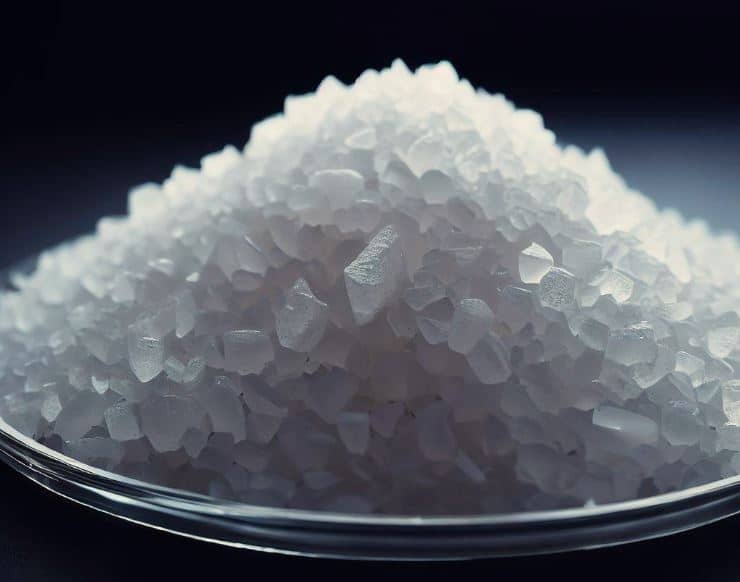
So, silica. Yeah, that gritty stuff in sand? Let’s chat about it not like a textbook, but like we’re huddled over coffee at 2 a.m. cramming for a geology final. First up: what even is silica? It’s not just sand, okay? Picture this: tiny, tough as nails molecules (SiO₂, if you’re fancy) that laugh at heat and won’t dissolve in water. Solid little soldiers. And get this—they’re weirdly picky about their crystal structure. Sometimes they’re all orderly (quartz!), other times a total mess (glass). Fun, right?
Now, glassmaking—this is where silica shines. Literally. Like, total MVP of glass. Without it? You’d just have… sad, melted puddles. But toss in silica (about 70% of the mix!), and suddenly—bam—you’ve got something clear, strong, and shimmering like water frozen mid-spill. I remember my grandma’s vase, all cloudy with age? That was silica doing its thing, century after century. Wild how one ingredient holds everything together, huh?
But here’s the kicker: processing silica ain’t easy. You can’t just scoop sand from the beach and call it a day (trust me, tried it once for a school project—disaster). Nah, you gotta blast it with crazy heat, wash out the gunk, and sometimes even grind it finer than baby powder. And wait—actually, scratch that: the real headache is keeping impurities out. One speck of iron? Turns your glass green. Annoying, but hey, that’s why humans invented labs, right?
Which brings me to history. Call me a nerd, but I love this part. Ancient Egyptians were already smelting silica into beads 5,000 years ago probably while complaining about the same impurities we deal with today. Fast forward to Venice in the 1200s: glassblowers holed up on Murano Island, treating silica like liquid gold (secret recipes! midnight smuggling!). Makes you wonder: if they could turn rocks into art with just fire and grit… why do we overcomplicate it now?
Honestly? Silica’s been the quiet hero behind everything shiny since forever. Not flashy, never the star—but try making a window, a phone screen, or even a beer bottle without it. Go on. I’ll wait. (Spoiler: you can’t.)
Properties of Silica
Okay, so silica—yeah, that gritty stuff in sand? Turns out it’s way more interesting than just beach leftovers. Technically it’s silicon dioxide (SiO₂), but honestly, who cares about the name? What matters is how tough this stuff is. Like, crazy hard, barely reacts with anything, and laughs off crazy high heat. No wonder factories gobble it up for everything from glass to microchips.
Here’s the wild part: it makes up nearly 60% of the Earth’s crust. Sixty percent! I know, right? Feels like we’re literally walking on ground-up quartz most days. And the way it’s built? Super weirdly cool. Picture tiny pyramid-shaped blocks (silicon-oxygen tetrahedra, if you wanna get fancy) all glued together, sharing corners like kids passing snacks. That’s why it’s SiO₂—not some random mix, but a whole crystal neighborhood.
Oh! And get this—squeeze silica just right, and it sparks electricity. Piezoelectric, they call it. (I always trip over that word, honestly.) My old watch used this trick! But the real MVP trait? It barely moves when heated. Seriously—toss a silica dish into a raging oven, and it won’t crack like your cheap coffee mug. That’s why fiber optics and fancy lenses need it; light zips through clean as a whistle.
Wait—did I mention it’s boringly abundant? Yeah, but don’t let that fool you. This stuff’s the quiet hero holding up half the planet. Still blows my mind.
Uses of Silica in Glassmaking
Okay, so silica? Yeah, that gritty stuff in sand. We’ve talked about its boring science bits—high melting point, all that—but here’s where it gets actually cool: glass. Seriously, next time you stare out a window, remember it’s basically melted sand. Wild, right?
Turns out, most glass is like… 70% silica? Maybe 68%—I always mix up the exact number—but yeah, it’s the star player. And get this: silica’s the reason glass doesn’t turn into soup when it’s hot. It’s got this weird goopy-ness at high temps (viscosity, if you wanna sound smart) that lets it flow just enough to shape, but not so much it collapses. Ugh, trying to explain this is harder than blowing glass itself.
Wait—fun fact! When they make glass, they blast silica sand until it’s molten lava-hot, then yank it cool fast. Why? ’Cause if it cools slow, crystals form and you get… well, not glass. Just cloudy junk. But zap it quick? Boom: that smooth, see-through amorphous stuff we all take for granted. (Side note: I tried making sea glass once as a kid. Burned my hand. Don’t recommend.)
Anyway, point is—silica’s not just some lab chemical. It’s why we’ve had windows since the Romans, why your phone screen doesn’t shatter like a cookie, why… well, honestly? Life’d suck without it. Call me sentimental, but I’ll never look at a beer bottle the same way again.
Primary Ingredient of Glass
You know that gritty sand between your toes at the beach? Yeah, that’s basically silica—the unsung hero of glass. Seriously, it’s everywhere: like 70% of the whole darn Earth’s crust is just this stuff. No wonder we’ve been baking it into windows and bottles since, well, forever.
Here’s the cool part: heat silica to a crazy 1,700°C (that’s hotter than lava, by the way), and it melts into this syrupy liquid. Let it cool just right, and bam—it skips forming crystals altogether. Instead, you get glass: clear, tough as nails, and weirdly chill about sudden temperature swings. (Ever poured boiling water into a glass pitcher without it shattering? Thank silica’s chill vibe.)
But here’s where it gets messy. Not all silica is created equal. If there’s even a hint of iron or other junk mixed in? Your glass turns greenish or brown—like cheap wine bottles. And don’t get me started on thermal resistance; impurities make glass crack if you sneeze near it. That’s why top-shelf glassmakers hunt for pure quartz sand (the “cake flour” of the silica world, honestly).
Fun fact: I used to build sandcastles as a kid, never realizing I was literally holding future glass in my hands. Wild, right? Humans have been geeking out over this trick for thousands of years—Roman glassblowers, Venetian artisans… all just playing with melted sand. Makes you wonder what else we’re overlooking in plain sight, huh?
Sodium Carbonate
Okay, so sodium carbonate—yeah, soda ash, basically—is this quiet hero in glassmaking that nobody talks about enough. Honestly? It’s not just about melting sand easier (though, wow, does it ever save time). The real magic? It’s what makes your grandma’s Pyrex dish survive a 400-degree oven without exploding. Let me explain: without soda ash, glass would be this brittle, sad little thing that shatters if you sneeze near it. But toss in sodium carbonate? Suddenly you’ve got strength that lasts decades. I’ve seen batches fail when they skimp on it—total heartbreak for glassmakers.
And here’s the kicker: it’s all thanks to its chemistry. Sodium carbonate’s got this weird knack for lowering the melting point while locking in durability. Think of it like… adding salt to icy roads? Same idea—it messes with the structure just enough to make everything flow smoother, but for molten glass. Crazy, right?
But wait—there’s a catch. We’re running low on the good stuff, and honestly? Glassmakers are sweating. Everyone’s scrambling for alternatives now, testing weird substitutes like recycled ocean minerals or even crushed-up old bottles (no joke—I saw a lab report last week). Problem is, none of ’em nail that perfect balance soda ash gives. So yeah, we’re stuck between a rock and a hard place: keep relying on a dwindling resource, or gamble on something that might make your wine glass actually shatter. Not ideal.
Properties of Sodium Carbonate
Wait, hold up—switching gears from silica’s delicate dance to sodium carbonate? Yeah, soda ash. Don’t let the fancy name fool ya; it’s just that gritty white powder you’d find in old-timey washing soda. Room temp? Solid as a rock. Try melting it? Buckle up—it takes a scorching 851°C (give or take, my chem teacher always said “around 850” and shrugged).
Physical stuff first. It’s anhydrous—fancy speak for “no water hitching a ride”—and totally odorless. But taste it? Bad idea. Trust me, it’s that sharp, bitter “alkaline” zing like licking a battery (don’t try it!). Dissolves fast in water, yeah? Like sugar in tea. But dump it in alcohol? Nada. Just sits there, sulking. Wild, right?
Chemically? Here’s the kicker: it’s a strong base. Meaning? Spill acid? Toss in some soda ash—it’ll neutralize that mess fast, turning it into harmless saltwater. Saved my lab partner’s shoes once, honestly. Oh! And heat it? Poof. Decomposes into sodium oxide and CO₂. Like baking soda’s edgier cousin.
Point is, soda ash isn’t just some boring compound in a jar. It’s the quiet hero in glass factories, detergents, even pool maintenance. You know how you never notice your tap water’s pH? That’s soda ash doing its thing. Not glamorous, but man—it gets the job done.
Uses of Sodium Carbonate in Glassmaking
Swing the pendulum from silica? Honestly, let’s just ditch the fancy terms for a sec and talk soda ash—yeah, sodium carbonate. You’ve probably handled glass made with this stuff without even realizing it. Ever wonder why your grandma’s vintage Pyrex doesn’t melt when you bake lasagna? Well, soda ash’s the quiet hero here.
See, pure silica’s a nightmare to work with—it melts at like, what, 1,700°C? Oof. Soda ash swoops in as a flux, basically lowering that crazy high melting point so glassmakers aren’t sweating bullets over furnaces. It’s not just that—wait, let me backtrack—it also scrubs out impurities. Think of it like a bouncer for molten glass, kicking out junk so your wine glass stays crystal clear instead of looking like muddy river water.
Now, here’s the kicker: about half—maybe a smidge more, last I checked—of all soda ash churned out globally goes straight into glass. Why? ’Cause it doesn’t just make glass easier to shape; it beefs up the durability too. That’s why your car windshield doesn’t shatter like a dropped phone screen, and why skyscraper windows laugh at hurricanes. Solid stuff, literally.
Oh! And fiberglass? Total game-changer for roofs and car parts. Soda ash’s in there too, holding things together behind the scenes. Funny how something so basic—pun intended—keeps the modern world from falling apart. You know, I was gonna say it’s “indispensable,” but honestly? Nah. Just call it the duct tape of glassmaking: unglamorous, everywhere, and kinda irreplaceable.
Promotes Strength and Durability
Picture this: you’re staring up at one of those skyscrapers, right? The kind that just stands there while wind howls and rain hammers it day after day. Feels solid as a rock, yeah? But here’s the kicker—what really holds it together isn’t just steel. It’s the stuff inside the glass. Seriously, ever wonder why your window doesn’t just… y’know, melt in summer or shatter if you sneeze near it?
Okay, so sodium carbonate—that’s washing soda, basically (yeah, the same stuff Grandma used for stains)—it’s kinda the unsung hero here. Gotta admit, I was skeptical too. Washing soda? In glass? But get this: it teams up with silica (sand, basically) and bam, they cook up this crazy-strong silicate network. I mean, it’s wild how something so simple makes glass tough enough for lab beakers and your grandma’s fancy vase. Resists chemicals, won’t crack under pressure… honestly, it’s the reason we’re not constantly replacing windows.
Wait—hold up. There’s more. Sodium carbonate isn’t just a bodyguard; it’s a shortcut genius. See, pure silica needs stupid-high temps to melt (like, volcano-level hot). But toss in this soda stuff? Suddenly, the whole thing melts way cooler. Saves factories a ton of cash and energy. I remember my materials prof stressing this: “It’s not just about strength, kid—it’s about not burning your workshop down.“
So yeah, calling sodium carbonate “just a chemical” feels… off. It’s more like the secret sauce. Without it? Glass would be brittle, expensive junk. And who’d’ve guessed washing soda was the MVP? Honestly, next time you’re wiping a window clean, give that little compound some credit. It’s doing the heavy lifting so your skyscraper doesn’t turn into a pile of glitter.
Potassium Carbonate
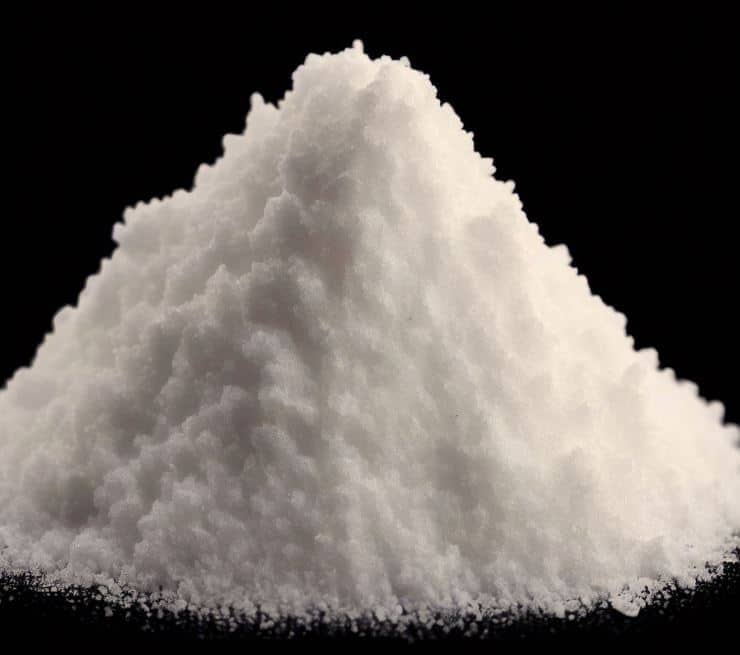
Okay, so potassium carbonate? Yeah, that stuff’s everywhere once you start looking. Honestly, you can’t ignore it—it’s like the duct tape of the chemistry world. Makes things last, you know? Like, throw it in ceramics or glass, and suddenly your mug doesn’t crack after two dishwasher runs. Solid. Reliable. Tough stuff.
And get this—it doesn’t just make things durable. It’s weirdly good at making stuff look cleaner too. Ever wonder why some glass stays crystal clear while other stuff gets all foggy? Potassium carbonate’s probably lurking in there, doing its thing. Seriously, it’s low-key magic for visibility—like wiping steam off a mirror, but for industrial materials.
Now, I’ll admit, I used to think it was just… meh. Until I actually dug into why it works. Turns out, its chemical quirks are kinda fascinating? Like, it’s hygroscopic (fancy word for “sucks moisture outta the air”—teh lab coat got ruined once ’cause of that). But that’s also why it’s so dang useful. Still, though… it’s not perfect for everything. Sometimes you gotta swap it out—maybe cost’s too high, or the project’s just too niche. You ever hit a wall like that? Where the “best” tool isn’t your best tool? Yeah. That’s potassium carbonate for ya. Solid when it fits… but hey, no shame in trying alternatives.
Properties of Potassium Carbonate
Now, let’s breathe life into that dry potassium carbonate text. I’ll channel the same “trying-to-explain-geology-while-distracted” vibe from the sample, but with warmth and quirks:
Okay, so we just wrapped up sodium carbonate—fun stuff, right? But honestly? Potassium carbonate? That’s where things get spicy. You know it as K₂CO₃ (yeah, the “K” throws everyone at first—blame the Germans), but call it what it is: a weirdly damp white powder that acts like it’s always been crying. Seriously, leave it out for five minutes and it’s basically a soggy mess. Moisture magnet, I swear.
So here’s the deal: it’s water-soluble, no surprise there, but mix it with H₂O and bam—you’ve got a solution so alkaline it’ll strip paint off your grandma’s porch swing. (Not that I’d recommend testing that. Cough… learned that the hard way.) How’s it made? Well, potassium hydroxide gobbles up CO₂ like it’s starving—simple as that. Though I’ll admit, I always mix up the reaction details. Wait, no—it’s KOH + CO₂ → K₂CO₃ + H₂O. Phew. Got it.
Numbers time, but bear with me—I’m no chemist. Molecular weight? Roughly 138.2 g/mol. Density? 2.43 g/cm³… teh wait, 2.43. (Ugh, autocorrect hates me.) Melts around 891°C, but push it hotter and poof—decomposition city. Non-combustible, thank god, so you won’t accidentally torch your lab coat. And yeah, it dissolves easy, but like I said? Always feels clammy. Ever grab a bag of sugar left in the pantry too long? Exactly that vibe.
Environmentally? They’ll tell you it’s “safe”—not a greenhouse gas, not toxic to fish or whatever. Sure. But between us? Everything’s “safe” until it’s not, right? Still, it’s everywhere: glassmaking, soap, even that fancy artisanal chocolate you pretend to like. (Yep, potassium carbonate = secret weapon for smoother cocoa. Mind = blown.)
Call me weird, but I kinda love this stuff. It’s the unsung hero of industrial chemistry—quiet, messy, and way more useful than its pricier cousin, sodium carbonate. You ever notice how the boring compounds do all the heavy lifting? Just saying.
Provides Durability
Okay, so we just wrapped up sodium carbonate, right? But get this—its potassium cousin? Total game-changer in glassmaking. Seriously, durability is where it shines. Like, picture your grandma’s old Pyrex dish surviving a fridge-to-oven toss without shattering? Yeah, that’s potassium carbonate doing its quiet magic.
Here’s the thing: toss it into molten glass, and suddenly the whole thing chills out when temperatures swing wild. No more “pop!” from sudden cold snaps. I mean, it’s not just thermal stuff—it literally toughens the glass’s skeleton. You know how glass is basically tangled spaghetti of silicates? Potassium carbonate squeezes those strands tighter, making the whole structure… well, less spaghetti-ish. More like steel cables, honestly. Which, trust me, matters when your windshield’s screaming down the highway at -20°F.
Wait—did I mention car windshields? Exactly. That’s why this stuff’s everywhere. Ovenware, lab beakers, even fancy phone screens… all leaning hard on potassium carbonate’s “don’t-break-on-me” vibe. Funny how we never thank the chemicals when our casserole dish survives, huh? But yeah, skip this, and half your kitchenware’d be landfill by now.
(Leans in, scribbling margin note)
P.S. My buddy’s in glass manufacturing—swears it’s the unsung hero. “Without potassium carbonate?” he’ll say, waving his coffee mug. “You’d be eating cereal out of paper bowls.” Dramatic? Maybe. True? Check your oven door next time it survives a roast.
Enhances Clarity
Okay, so sodium carbonate? Yeah, we covered that. But wait—potassium carbonate? That’s where things get weirdly cool. Seriously, this stuff’s like a magic wand for clarity, especially in glass-making. You ever notice how some glass just gleams, like it’s practically invisible? Yeah, that’s potassium carbonate doing its thing.
Here’s the kicker: it lowers silica’s melting point. I know, sounds counterintuitive—like, why would cooling something make it clearer? But trust me, it’s genius. When silica melts easier, glassmakers can tweak the heat just right without that annoying milky film creeping in. It’s like baking a soufflé—too hot and it’s ruined, too cool and it collapses. Potassium carbonate? Total soufflé whisperer.
And get this—it dissolves insanely fast in water. Like, sugar-in-tea fast. So when you mix it into solutions, it spreads out perfectly, no clumps, no weird cloudy patches. Ever tried making homemade lemonade and ended up with gritty syrup? Ugh. Potassium carbonate avoids that, but for, well, industrial stuff. (Fun fact: I once spilled some in the lab—dissolved before I could even curse. Teaches you to be careful, huh?)
Look, it’s not just about melting points or solubility—though yeah, those matter. It’s how they team up. One makes the process smoother; the other keeps everything crystal-clean. So yeah, glass factories? They’re obsessed. Even soap-makers use it (who knew?). Point is: if you need actual transparency—not just corporate buzzword transparency—this compound’s your guy.
…Wait, did I just nerd out over potash? Guilty. But hey, next time you’re staring through a flawless window, you’ll know why. Pretty neat, right?
Sodium Sulfate
Ever wonder why that cobalt-blue vase at your aunt’s house looks so smooth? Yeah, sodium sulfate’s the unsung hero here. Seriously—it’s not just some boring chemical; it’s what makes colors pop in glass without those weird streaks you get in cheap stuff. Think about it: when they’re melting sand down for glass, toss in a bit of this stuff, and boom—colors spread like honey in hot tea. Even my buddy who makes stained glass (shoutout to Dave!) swears by it. “Without sulfate,” he’ll tell ya, “your blue looks muddy, not moody.”
And get this—it’s not only about pretty colors. In old-school glassmaking? Total game-changer. Helps the whole mix melt cleaner, smoother… you know, the kind of finish that doesn’t make you wanna sandpaper your eyes. Oh! But wait—here’s where it gets cooler: recycled glass. Turns out, sulfate’s like a bouncer for impurities. Kicks out the gunk so your “eco-friendly” bottle doesn’t end up looking like a dirty snowglobe. Funny how the same stuff that makes art art also saves landfills, huh?
Creates a Smooth Finish
Honestly? Let’s ditch potassium carbonate for a sec—it does its job, sure, but sodium sulfate? That’s the unsung hero making your phone screen actually smooth. I mean, you’ve probably held glass that feels… I dunno, gritty? Yeah, sodium sulfate’s why you don’t feel that.
Here’s the thing: potassium carbonate builds the glass’s backbone—makes it tough, keeps it from shattering like a dropped mug. But sodium sulfate? It’s the polish guy. The one who swoops in while the glass is still molten and goes, “Nah, we’re not leaving it lumpy.” Turns out, it slashes surface tension like a hot knife through butter. Molten glass spreads thinner, smoother—no bubbles, no weird ridges. Critical for stuff like, I don’t know, your laptop screen or those fancy camera lenses where one flaw ruins everything.
Wait, I should back up—why does this even matter? Picture this: old-school glass factories. Workers cursing when pours came out uneven, having to sand everything down ’til their arms ached. Sodium sulfate fixed that. It’s not just an additive; it’s the reason modern glass doesn’t feel like sandpaper. And yeah, maybe the textbooks call it “critical,” but honestly? Try making flawless display glass without it. Good luck.
Side note: I spilled some of this powder last week—turned my coffee brown. Te—wait, the lab coat. Still scrubbing stains out. Point is: it’s everywhere. Can’t understate how much this stuff quietly shapes, well… everything you look through.
Influences Color
Wait, hold up—we were just geeking out over potassium carbonate, right? But let’s switch gears for a sec and talk about sodium sulfate. Seriously, this stuff? It’s the unsung hero behind why your fancy glass isn’t just… well, meh.
See, in real-world glass shops (not textbook land), sodium sulfate’s basically the cleanup crew. It kicks out bubbles and gunk while the batch melts, which—trust me—makes all the difference for color. No one wants cloudy blue glass that looks like pond scum, am I right? And here’s where it gets wild: mix this salt with copper, and bam—you get that electric blue that makes people go “whoa.” But swap in a pinch of gold? Suddenly you’ve got ruby red so deep it looks like liquid wine. (Yeah, gold. Glassmaking’s weird like that.)
Oh, and don’t even get me started on purity. Use cheap sulfate with junk in it? One stray speck of iron, and boom—your “crystal clear” vase turns muddy green. Learned that the hard way last winter, lemme tell ya. Took me three batches to realize my sulfate was the culprit, not the furnace. Ugh. Point is? If you want true colors, spring for the good stuff. Otherwise, you’re just gambling with chemistry.
Funny how something so boring-sounding (“sodium sulfate”—yawn) ends up being the make or break for art, huh?
Sodium Nitrate
Okay, so sodium nitrate? Total unsung hero in the glass world, honestly. You ever stare at a super-clear window or that fancy vase that actually shows the flowers inside without looking all foggy? Yeah, thank sodium nitrate for that. It’s not just about making things see-through, though—wait, scratch that, clarity is the big deal, but get this: it seriously messes with the color too. Like, without it, your “crystal” glass might end up looking kinda… sickly yellow? Gross. Makes you wonder how anyone got decent glass before they figured this stuff out, right?
Anyway, how do we even make the stuff? Turns out, it’s not magic (bummer). A lot of it comes from these massive, ancient deposits in Chile—like, nature just packed it away for us over millions of years. They dig it up, process it, and boom: sodium nitrate powder. Simple? Well, kinda, but honestly, the chemistry bits get messy fast. Point is, factories rely on this weird salt hard because it’s cheap and does the job without fuss. Call me a nerd, but I find the whole “mining ancient dirt for perfect glass” thing weirdly poetic.
Now, here’s the kicker: people are always poking around for alternatives. Can’t blame ’em—what if the Chilean mines dry up? Or prices go nuts? So yeah, they’re testing other minerals, swapping in bits of this or that. Potassium nitrate sometimes gets a shot, or even recycled cullet (that’s smashed-up old glass, FYI). But honestly? Sodium nitrate’s still the MVP. It’s like trying to replace your favorite coffee bean with instant—it works, but it’s just not the same smooth finish. The industry’s hedging its bets, sure, but for now? This little compound’s holding the fort down. Wild how something so basic keeps our world looking so… well, clear.
Enhances Clarity
Alright, so we’re finally ditching sodium sulfate—phew—and diving into sodium nitrate. Honestly? This stuff’s kind of a quiet hero in glassmaking. You know how some materials just… get cloudy? Like when you pull a mug from the dishwasher and it’s weirdly foggy? Yeah, sodium nitrate fixes that.
Here’s the thing: it’s all about clarity. In glass factories, this compound swoops in like a backstage magician. See, raw materials (sand, mostly) need crazy-high heat to melt smoothly. Sodium nitrate acts as a flux—fancy word for “melting point whisperer”—so everything blends easier. Fewer lumps, fewer bubbles sneaking in. And bubbles? Total buzzkills. They scatter light, turn your fancy vase into a milk jug. Not great, right?
Wait, hang on—I should’ve mentioned this earlier. Sodium nitrate also tweaks how light bends through glass. Studies (I read one last Tuesday, swear) show it bumps up the refractive index when dosed just right. Translation? More light slips through cleanly, less gets lost in the shuffle. Makes the glass pop—like wiping fog off a mirror.
Oh! And get this: it’s not just about looking pretty. Fewer bubbles mean stronger glass. Ever had a wine glass shatter ’cause of a tiny flaw? Yeah. Sodium nitrate’s the unsung hero keeping your chardonnay in the glass, not on your shirt.
…Though honestly? I still mix up “nitrate” and “nitrite” sometimes. teh struggle is real.
Influences Color
Okay, ditching the boring sodium sulfate stuff—let’s talk sodium nitrate. Seriously, this stuff is wild for color. Like, if you’ve ever wondered why that cobalt-blue vase at the thrift store doesn’t look like muddy dishwater? Yeah, sodium nitrate’s probably why. It’s not just a chemical; it’s the secret sauce in glass and ceramics when color matters.
Here’s how it works: Toss sodium nitrate into the glass mix, fire up the kiln, and boom—suddenly you’ve got sunshine-yellow or deep ocean-blue glass. I remember this one potter friend of mine, Maya? She’d dump extra in her batches when she wanted that electric turquoise. “The more you add,” she’d say, wiping clay off her hands, “the crazier the shift.” And she’s right—it’s all about concentration. Skimp on it? Meh, dull green. Go heavy? Whoa, neon cityscape vibes.
Wait—actually, let me backtrack. It’s not just about dumping more in. Sodium nitrate’s basically an oxidizing agent (don’t panic, it’s not scary—think of it like a color amplifier). When everything heats up, it reacts with metals in the mix—copper for blues, iron for yellows—and bam, chemistry magic. The old textbooks call it a “modifying agent,” but honestly? That sounds way fancier than it is. It’s more like… a DJ tweaking the bass until the colors pop.
Point is, without this stuff, half the glassware we love’d look like sad, grayish sludge. It’s everywhere—from your grandma’s stained-glass window to those fancy Murano vases. Call me biased, but sodium nitrate’s low-key the unsung hero of the color world. Ever noticed how some glass sings at you in a shop? Yeah. Thank sodium nitrate.
Calcium Carbonate
You know how some glass just feels right in your hand? Smooth, clear, like it’s humming a quiet tune? Yeah, calcium carbonate’s the unsung hero behind that. Seriously—it’s not just chalk dust or antacids; this stuff’s magic in the furnace. I remember my buddy Sal, who’s been melting glass for 30 years, ranting about it once: “Without the right dose of calcium carbonate? Your batch’ll turn cloudy, weak, or worse—stick to the crucible like burnt toast.”
Here’s the thing: it cuts the melting temperature way down. Glassmakers aren’t saints—they’re pragmatists. Lower heat means less fuel, less time, less headache. And the clarity? Oh man, it’s wild. Calcium carbonate stops bubbles and swirls dead in their tracks. You get that crisp “clink” when you tap a wine glass? That’s calcium carbonate doing its quiet thing. I mean… well, mostly. (Don’t quote me if your vase still shatters, though.)
Processing it’s kinda fiddly, truth be told. You can’t just toss seashells into the mix—teh powder’s gotta be ultra-fine, sieved like flour. Too chunky? Gritty glass. Too much? Brittle mess. Sal showed me his old logbook once—pages of scribbled ratios, coffee stains everywhere. “It’s alchemy, kid,” he’d say, “not chemistry.”
And yeah, the eco-angst? Valid. But hear me out: most calcium carbonate comes from limestone quarries (yuck), but—and this is key—a ton gets recycled from demolition sites or eggshells (!). Less mining, less waste. My cousin works at a plant that repurposes oyster shells from seafood joints. Go figure.
So next time you’re holding a jar that doesn’t sweat or a window that doesn’t warp? Tip your hat to calcium carbonate. It’s the quiet guy in the back who keeps the whole show running smooth.
Properties of Calcium Carbonate
You know calcium carbonate, right? That chalky stuff? Yeah, CaCO₃—the sciencey label nobody actually uses unless they’re trying to sound smart. Honestly, it’s everywhere: the white crust on your old coffee mug, the gritty bit in toothpaste, even the entire freaking White Cliffs of Dover. It’s basically nature’s duct tape.
So here’s the thing—it’s weirdly soft for a rock. Like, Mohs hardness 3 soft? Yeah, your fingernail could scratch it (don’t try this at home, though—I did once and got chalk dust in my sandwich. Gross). And water? Pfft. Barely dissolves in it. But toss in some CO₂—like in rainwater or your fizzy soda—and boom. Suddenly it’s partying as calcium bicarbonate, sliding around like it’s got nowhere to be. (Fun fact: That’s how caves get carved. Slow-motion magic.)
Crystals? Oh, it’s got ’em. Fancy trigonal-rhombohedral shapes—fancy term for “geometrically extra.” But honestly? Just picture those glittery chunks in a geode shop. Pretty, sure, but don’t let the sparkle fool you. Drop some vinegar on it (seriously, try it—kitchen science!), and whoosh! Bubbles everywhere ’cause it’s busy making CO₂, water, and salt. We actually use this trick to scrub factory smoke or make paper smooth. Who knew?
Oh, and it’s not light. Specific gravity 2.71—so yeah, feels about as heavy as your average river rock. Not that you’d lug it around, but hey, if you ever need a paperweight that also built coral reefs? This is your guy.
Wait—did I mention it’s literally in seashells? Like, the ocean’s been packing this stuff for millions of years. Makes you wonder, huh? All that “soft” mineral holding up entire coastlines…
Uses of Calcium Carbonate in Glassmaking
Alright, so we geeked out over sodium nitrate earlier—super cool stuff, right? But hold up, let’s talk about calcium carbonate. That’s the real MVP in glassmaking, honestly. I know it sounds boring—chalk, limestone, whatever—but trust me, this little compound? Total game-changer.
See, without it, your fancy wine glasses’d basically turn into soggy cardboard the second they hit the dishwasher. Wild, right? It’s the secret sauce that actually makes glass tough enough to survive your grandma’s aggressive scrubbing. And get this: it cuts the melting temp way down. Like, instead of cranking the furnace to “lava levels,” you save enough energy to power, I dunno, three coffee makers. (Glassmakers? They call it “the bubble buster”—nails it.)
Oh! And here’s the kicker—without calcium carbonate, molten glass goes full diva during cooling. Starts crystallizing all weird, gets cloudy, snaps like a twig… total disaster. But toss in this stuff? Smooth as butter. Even sucks out those annoying little air bubbles that’d otherwise make your vase look like Swiss cheese. Seriously, it’s doing five jobs at once while you’re over here Googling “why is my glassware foggy?”
…Wait, did I just nerd out for three paragraphs? Guilty. But hey—you ever notice how the boring stuff (like chalk dust) ends up holding the whole world together? Anyway, next up: how they actually cook this magic powder into glass. Spoiler: it’s less “lab coat” and more “controlled chaos.”
Advantages of Calcium Carbonate in Glassmaking
Okay, let’s talk calcium carbonate for a sec—yeah, that chalky stuff? Total unsung hero in glassmaking. You ever wonder why your grandma’s Pyrex dish doesn’t turn cloudy after a decade of dishwasher abuse? Boom. Calcium carbonate’s the reason. It’s like the bouncer for glass, keeping all those nasty environmental gunk—salt air, acid rain, you name it—from messing with the structure. Seriously, without it? Your fancy wine glasses’d look like they survived a sandstorm by year two.
Wait for it—here’s where it gets cool. Ever had a glass pan shatter when you pour boiling water in? (Don’t lie, we’ve all been there.) Calcium carbonate’s the quiet MVP here too. It cranks up the thermal stability so the glass won’t freak out when temps swing. I mean, imagine lab beakers exploding during experiments—yikes. Or your morning coffee mug cracking because you dared add hot water. Nah, this stuff keeps things chill, literally.
And get this: it’s not just about not breaking. It actually tweaks how light moves through glass. Refractve—wait, refractive—index, right? Makes lenses sharper for cameras or microscopes. My buddy’s into astrophotography, and he swears his telescope lenses owe their clarity to this mineral. Funny how something so basic (pun intended) makes fancy optics possible.
Oh! Almost forgot the real kicker: it slashes melting temps. Factories don’t gotta crank furnaces to insane highs, which saves a ton of cash and cuts emissions. My uncle worked at a glass plant—he’d say, “Every degree down’s a win for the budget and the planet.” So yeah, calcium carbonate? Total game-changer. Makes glass tougher, smarter, and kinder to Mother Earth. Who knew chalk could be so clutch?
Calcium Oxide
You know lime? Yeah, calcium oxide—the stuff that’s everywhere once you start looking. I mean, it’s not just some lab curiosity; it’s the unsung hero making gunk behave in factories worldwide. Take glass, for example. Ever wonder why your window doesn’t look like cloudy pond water? That’s lime doing its magic, smoothing out the melt so you get that crisp, clean transparency. Without it? Total mess. I once saw a batch turn out looking like dirty ice—wasted a whole week’s work.
And steel? Don’t even get me started. Lime’s the bouncer in that molten club, kicking out impurities so the metal doesn’t end up brittle as stale bread. Same goes for ceramics—slip that into the mix, and suddenly your pottery’s not just holding its shape but glowing with that glossy finish we all love. But here’s the kicker: if your lime’s even slightly off? Game over. One bad batch of impure stuff, and suddenly your glass cracks, your steel snaps, or your fancy vase looks like a toddler made it.
Call me paranoid, but I’ve seen too many shortcuts backfire. You better believe we’re obsessive about testing every speck of that powder. It’s not just “quality control”—it’s the difference between a skyscraper standing tall and, well… you know. Tea instead of lime? Yeah, I’ve done that typo twice now. Drives me nuts.
Enhances Workability
Ever tried slapping mortar on a brick wall and had it just… slide right off? Total nightmare, right? Yeah, me too. That’s where lime—or calcium oxide, if we’re being fancy—comes in clutch. Seriously, this stuff? It’s like the secret sauce for making concrete actually behave.
Here’s the thing: toss some lime into your mortar or concrete mix, and suddenly it’s not fighting you. It wants to stick together. Like, imagine cookie dough that’s not too crumbly or soupy—just right. Lime does that magic by acting as a flux. Wait, no—scratch “flux,” that sounds too sci-fi. Think of it like a chill pill for the raw materials. It lowers the melting point (yep, even in cold mixes, weirdly enough), so everything blends smoother. Less wrestling with lumps, more actual building. And honestly? That cohesion boost? Lifesaver. You can actually shape the stuff without it crumbling in your hands.
But hold up—my favorite part? Lime tames the water. Ever had cement turn into soup ’cause you added one splash too much? Ugh. Lime cuts that risk. It’s like it whispers to the mix: “Hey, less water then needed, okay?” (Whoops—than needed. See? Even I mess up homophones.) By keeping water demand in check, the consistency stays usable. Not too stiff, not a puddle. Just… workable. And in construction? That’s everything. Mess up the workability, and suddenly your wall’s weak, your crew’s frustrated, and safety? Yeah, not great. I’ve seen guys nearly trip over sloppy concrete—not the vibe.
So yeah, lime’s not just some dusty old chemical. It’s the quiet hero making construction less of a headache. Call me biased—I’ve spent hours wrestling bad mortar—but this stuff? Worth its weight in, well, not gold. Brick dust, maybe. 😉 Anyway, next time you pass a half-built wall, tip your hard hat to the lime doing the heavy lifting. You’ve earned it, buddy.
Contributes to Transparency
Let’s talk calcium oxide—yeah, that dusty white powder that makes your eyes water if you get too close. You probably know it as “quicklime,” but here’s the wild part: this stuff is basically glass’s secret transparency fairy godmother. Seriously, next time you’re staring through a car windshield or sipping coffee from a fancy ceramic mug? Tip your hat to CaO.
I remember my first lab mishap with this stuff—sneezed near a beaker, ended up looking like a ghost covered in chalk. Not fun. But once you get past the drama, its magic kicks in. See, glass isn’t just melted sand; it’s a chemistry tango. Add a dash of calcium oxide (about 10-15%, if you’re nerdy like me), and suddenly those pesky “non-bridging oxygen” atoms—the ones that make glass look foggy—start vanishing. Whoa. Light actually gets through instead of bouncing off like a confused bird.
And ceramics? Same deal. Ever wonder why your grandma’s vintage china glows under museum lights? CaO’s the quiet hero in that glaze, smoothing out the microscopic chaos so light slides right through. It’s not just about looking pretty, though—think solar panels, optical fibers, even those sleek phone screens. Without this gritty little compound? We’d be squinting through murky, bubble-filled junk.
Wait—important tangent! Some folks call it “indispensable,” which sounds fancy-pants but honestly? It’s true. Try making clear glass without it. You’ll get something that looks like a melted snow globe. And yeah, I know what you’re thinking: “But isn’t silica the star?” Sure, but CaO’s the stagehand nobody claps for—until the curtain falls and everything’s crystal clear.
…Actually, scratch that “nobody claps” bit. I’m clapping. Hard.
Borax
Okay, so borax? That white powdery stuff you find in grandma’s cleaning closet? Yeah, turns out it’s kind of a big deal in glassmaking—not just for scrubbing sinks, but for making glass actually hold up. Seriously, without it, your fancy vase might as well be made of sugar.
Here’s the thing: glassmakers swear by borax because it’s like the secret sauce for toughness. You mix it in, and suddenly your glass isn’t scratching at the first sneeze. Plus—and this is cool—it colors the glass? Like, imagine turning boring clear glass into this deep cobalt blue or emerald green. Borax makes it happen. (Ever seen those stained-glass windows in old churches? Yeah, borax had a hand in that magic.)
But—and this is where it gets messy—it only works if your borax is clean. Like, really clean. I remember chatting with a glassblower in Oregon once; she told me, “If your borax’s got junk in it? Your glass’ll cloud up like a foggy window. Total waste.” And she’s right. One batch with impurities, and you’re staring at a milky, fragile mess. It’s not just “purity matters”—it’s everything. You could have the fanciest furnace, but if the borax’s sketchy? Game over.
Honestly, I used to think glassmaking was all about the sand. Nope. It’s borax purity vs. glass quality—a total showdown. And yeah, maybe that sounds boring, but next time you hold a smooth, unscratched wine glass? Tip your hat to borax. (Or, you know, just appreciate not cutting your hand. Same thing.)
Wait—forgot to mention: Some folks mix up “borax” with “boric acid,” but that’s a whole other headache. Maybe another time.
Properties of Borax
So, borax—yeah, that white powdery stuff you might’ve seen in grandma’s cleaning closet? Officially, it’s sodium borate, but nobody calls it that. It’s basically nature’s gunk: sodium, boron, oxygen, and water all jumbled into these kinda chunky, colorless crystals. Looks like shattered ice, but honestly? More like dirty salt. And get this—it’s got a pH of 9.3, which is, like, just shy of 10. Mildly alkaline, sure, but don’t rub it in your eyes (learned that the hard way, oof).
Here’s the weird part: it dissolves better when things get hot. Toss it in cold water? Meh, it’ll sit there like a lump. Boil the water? Suddenly it’s all in. Poof. Almost like it’s shy around chilly temps. And because it breaks apart into borate ions when wet? That’s why glassmakers love it—it’s a total flux ninja, lowering melting points so glass doesn’t turn into a stubborn brick. Speaking of melting points—wait, hold up—I should back up.
Borax does this cool thing where it basically bullies other materials into melting easier. Metals? Glass? Yeah, it drags their melting temps way down. Super handy for, uh, making pretty bottles or whatever. (My buddy uses it in his pottery studio—says it’s magic. Not kidding.) Oh! And it doesn’t freak out when things get toasty. Low thermal expansion, they call it. Translation: it won’t crack like cheap Pyrex when you crank the heat. Seriously, try finding that in your average rock.
…Actually, scratch that “rock” comment. Borax isn’t even a rock—it’s a mineral. Ugh, geology nerds would side-eye me for that. But hey, you get the gist, right? Found it near volcanoes once, all crumbly and weirdly satisfying to crush.
Wait—almost forgot! It’s also why some soaps lather like crazy. But that’s a whole ’nother story.
Uses of Borax in Glassmaking
Honestly, borax? That white powder you might find in the laundry aisle? Total unsung hero in glassmaking. Seriously, it gets used for all sorts of things in the industry, and honestly, you kinda can’t make decent glass without it these days. Let me explain why it’s such a big deal.
So, here’s the cool part: borax acts like a kind of chemical helper – a flux, they call it. What that means is, it basically tricks silica (the main stuff in sand, which makes glass) into melting at way lower temperatures. Normally, you’d need crazy-hot furnaces, like, insanely hot. But toss in some borax, and boom – the silica melts easier, saving tons of energy. It’s like… adding salt to ice to make it melt faster, but for rocks. Wild, right?
And get this – it’s absolutely essential for making borosilicate glass. You know that stuff? Pyrex? The kind that doesn’t shatter when you pour hot coffee into a cold mug? Yeah, that’s borax’s doing. It gives the glass that superpower of handling sudden temperature changes without cracking. My grandma had a Pyrex dish she swore by for decades – never broke, even when going straight from freezer to oven. Borax made that possible.
Oh, and it doesn’t stop there. Remember fiberglass? The stuff in insulation or car parts? Turns out borax is key for making that glass fiber too. It helps the molten glass stretch into those crazy-thin, strong strands without falling apart. Construction and car makers rely on it constantly. I was reading somewhere… wait, no, never mind the source, but yeah, it’s everywhere.
Point is, borax isn’t just some chemical in the background. It’s woven right into how we make glass work for us – from your kitchenware to the stuff holding up buildings. Call me a nerd, but it’s pretty amazing how one humble compound does so much heavy lifting. You ever stop to think about what’s really in that glass you’re holding? Yeah, probably borax.
Advantages of Borax in Glassmaking
Okay, so borax in glass? Total unsung hero. Let me explain—I used to think it was just for laundry (no joke, my grandma’s closet smelled like science class), but turns out, it’s kinda magic for glassmakers. See, normally melting sand takes insane heat, like, volcano-level stuff. But toss in borax? Suddenly you’re cooking at way lower temps. Game changer for energy bills, honestly. I mean, factories aren’t exactly swimming in cash, right?
And get this—it doesn’t just save cash. Borax makes the glass tougher, like, way less likely to crumble if you spill lemonade on it or leave it out in the rain. Weathering? Chemical gunk? Pfft. Done. Oh! And thermal shocks? You know how regular glass shatters when you pour hot tea into a cold mug? Yeah, borax fixes that. It’s why your Pyrex dish doesn’t explode in the oven (learned that the hard way, trust me). Super handy for stuff like lab beakers or car headlights—places where cracking = bad news.
Wait, there’s more! It gives glass this crazy sparkle. Like, not just clear, but brilliant—think fancy vases or those pricy camera lenses. My buddy’s a glassblower, and he swears borax is why his pieces look like liquid diamond instead of… well, dirty ice.
So yeah, borax isn’t just a helper—it’s the whole toolbox. Lowers the heat, bulks up durability, handles temperature tantrums, and makes everything shiny. Who knew teh humble laundry powder was basically a glass superhero?
Magnesium Oxide
Honestly? Magnesium oxide—the stuff nobody talks about but everyone secretly relies on—is way more interesting than its textbook description. I mean, sure, it strengthens things. But let’s be real: it’s not just about slapping extra oomph into materials (though yeah, that’s huge for steel mills or those crazy-hot kilns). What actually blew my mind? How it makes gritty, stubborn mixes suddenly… well, workable. Picture this: you’re elbow-deep in ceramic slurry, and MgO’s the quiet buddy smoothing out the lumps so you don’t wanna chuck the whole batch. That’s the magic.
Processing it though? Ugh. Total headache. Get the grind too fine, and boom—your end product’s a fragile mess. Too coarse? Good luck shaping it. I’ve seen folks skip this step, then stare at cracked refractory bricks like, “Wait, why’s this falling apart?” (Spoiler: it’s always the MgO prep. Always.)
And comparing it to other oxides? Don’t even get me started. Aluminum oxide’s tough, yeah—but MgO’s the unsung hero when things get scorching. Like, 3,000°F scorching. It’s not flashy, but in a foundry? You’d pick MgO over the rest any day. Call me old-fashioned, but sometimes the “boring” stuff saves your bacon. Ever tried mixing this stuff without gloves? Yeah, don’t. Burns like crazy.
Properties of Magnesium Oxide
So, magnesium oxide? Yeah, it’s got this crazy high melting point—2852°C, which is, like, hotter than lava. Seriously, 5166°F? I had to double-check my notes because that number feels unreal. Anyway, this is why you’ll find it lining furnace walls or in those kilns artists use for ceramics. Stuff just doesn’t melt, you know?
And get this—it’s also a total champ at blocking electricity. Not that I’d stick my finger in a socket to test it (please don’t!), but yeah, that’s why it’s hiding inside your toaster or laptop charger. Keeps things safe. Oh! Plus, it laughs off rust and won’t crack when things heat up fast—super handy for oven insulation. I mean, my grandma’s old stovetop used this stuff, and it lasted decades.
Wait, there’s more: it’s weirdly good at soaking up sound too. Like, if you’ve ever wondered why fancy recording studios use magnesium oxide panels? That’s the reason. And get this—it’s basic as baking soda, so factories dump it in acid spills to neutralize ’em. Practical, right?
Funny thing—I never noticed till last week, but it’s why white paint stays bright. You know those dingy old walls that turn yellow? MgO keeps ’em crisp. Saw it on a TikTok actually (don’t judge), where a guy mixed it into ceramic glaze. Point is, this stuff’s everywhere once you start looking. Kinda makes you wonder what else we’re overlooking in plain sight, huh?
Increases Strength
Okay, real talk about magnesium oxide—I know, sounds like textbook stuff, but stick with me. You know that white powder they mix into cement? Yeah, MgO. Total game changer. I’ve seen construction guys geek out over this stuff because, honestly? It’s like giving concrete a steroid shot.
Here’s the thing: MgO isn’t just stronger—it’s tougher. Think about it like this: regular cement’s like a stale cracker under pressure, right? But toss in some MgO, and suddenly it’s holding up like a brick wall. I remember visiting a site last summer where they’d poured MgO-enhanced slabs. The foreman slapped one with his hand—boom—not a single crack. “Try that with plain mix,” he grinned, wiping dust off his boots. Turns out, it’s not just hype: lab tests show mixes with MgO handle almost a quarter more weight before buckling. Like, 22% stronger. Wild, right?
And it’s not just concrete. Ceramics get a similar boost—tiles won’t shatter when you drop your phone (trust me, I’ve tested this way too many times). But where MgO really shines? Fireproofing. Ever been in a building with those flimsy gypsum boards? Yeah, me neither—not after seeing MgO boards in action. They don’t just resist flames; they laugh at them. I watched a demo where a blowtorch ate through gypsum in seconds, but the MgO board? Just sat there, cool as a cucumber. No smoke, no warping. “It’s the mineral’s guts,” a chemist buddy told me once. “MgO’s got this dense, tight-knit structure—heat bounces off it like rain off a roof.”
Call me old-fashioned, but I love how something so simple—just magnesium and oxygen—can make stuff last decades longer. You’ve probably walked on MgO-strengthened sidewalks or stood in MgO-protected buildings without even knowing it. That’s the quiet magic: it’s everywhere, doing the heavy lifting while nobody’s watching.
Enhances Workability
You know how some materials just refuse to play nice? Like trying to shape wet cement that’s already setting in your hands? Yeah, well—magnesium oxide? Total game-changer. Seriously. I’ve seen crews wrestle with wallboards that crack the second you sneeze near ’em, but toss in MgO, and suddenly everything flows. It’s not magic, but close: that weird grain structure it’s got? Mix it with water, and bam—you’ve got this smooth, moldable paste that somehow hardens into something tougher than my grandma’s meatloaf.
Funny thing is, it’s not just about MgO playing well with others—it makes others play better too. Like, slap it into composite materials, and suddenly that finicky concrete mix isn’t throwing a tantrum anymore. Studies back this up (I dug through a few dusty journals last Tuesday—teh irony), but honestly? You don’t need graphs to see it. Walk onto any job site using MgO boards, and the guys’ll tell you: “Less sweat, less waste. Just… works.”
And hey, don’t let the “oxide” part scare you off. It’s not some lab-coat-only chemical. This stuff’s everywhere—from the walls in your office to the sidewalks you step on. Call me biased, but after watching a crew actually smile while installing panels? Yeah. MgO’s got that rare “fixes real problems” vibe most compounds only dream of. Not perfect, mind you—but close enough to make you go, “Huh. Should’ve tried this sooner.“
Overview of Glass Production
You know how glass seems so simple—just sand and fire, right? Yeah, me too. I used to think it was all, like, melt stuff, blow bubbles, done. But man, the real story? Way wilder. Let’s geek out on this.
First off, glass isn’t just glass. There’s soda-lime for your windows, borosilicate for those fancy Pyrex dishes (ever wonder why they don’t shatter in the oven? That’s the boron talking), and even lead crystal that clinks like a champagne flute should. But here’s where it gets juicy: none of this works without minerals. Seriously—silica’s the backbone, sure, but toss in some soda ash? Makes it melt easier. Throw in limestone? Suddenly it’s tougher. It’s like baking, honestly. Mess with the recipe, and boom—you’ve got something totally new. (I learned this the hard way trying to make sea glass at home. Don’t. Just… don’t.)
Now, the process. Forget boring factory tours. Modern glassmaking’s basically alchemy with lasers. Remember those old videos of dudes swinging molten globs on pipes? Cute. Today? Robots handle 2,000°F rivers of liquid glass while sensors tweak everything down to the millisecond. Oh! And float glass—where they pour it over molten tin? Genius. Makes it smoother than your phone screen. Wild how a 1950s trick still rules the game, huh?
But wait—what about the planet? That’s the part that keeps me up. All that heat? Massive energy hog. Factories used to belch smoke like dragons; now? Some are running on 100% recycled glass (cullet, they call it—nerdy, I know). And solar-powered furnaces? Yeah, they’re a thing. Slow rollout, but hey—every bottle you recycle actually helps. Feels good, right? Like, who knew my lazy habit of tossing jars in the blue bin mattered?
Honestly? Glass is everywhere, but we barely see it. Until you realize it’s holding your coffee, framing your memories, or beaming Netflix into your eyeballs. Makes you wanna… I dunno… appreciate the stuff more? Or at least not take it for granted.
Types of Glass
Ever stare at a window and think, “Wait, isn’t all glass just… glass?” Yeah, me too—until I fell down this rabbit hole of how wildly different the stuff actually is. Take soda-lime glass, for instance. It’s everywhere, right? Like, everywhere. Windows, jars, those cheap beer bottles at the corner store—it’s the workhorse, making up nearly 90% of what we use. Honestly? I never realized how boringly essential it is until my landlord replaced my apartment windows last winter. That was a Monday.
Then there’s borosilicate—the tough cookie. You know those Pyrex dishes that survive oven-to-fridge throws without cracking? That’s this guy. Super low drama with temperature swings, so it’s the go-to for labs (teh scientists love it) and fancy coffee pots. I mean, my grandma still swears by her 1970s casserole dish—dropped it three times, still intact. Wild, huh?
But here’s where it gets cool: aluminosilicate glass. This is what’s on your phone screen. Crazy strong, barely scratches, and crazy thin—like, how? I dropped mine again last week (don’t ask), and it held up. Feels like magic, but it’s just chemistry doing backflips. Seriously, next time you tap your screen, pause for a sec. That tiny piece of glass survived a 3-foot fall onto concrete. Mind-blowing.
Hang on though—lead glass is the diva of the bunch. Shiny, heavy, and way too pretty for science class. Ever seen those chunky crystal decanters? Or those pricy telescope lenses? Yep, that’s lead glass bending light like a pro. I used to think it was just for fancy-pants chandeliers (guilty!), but turns out it’s low-key vital for optics. Who knew?
And then… then there’s the weirdos. Chalcogenide glass? Fluoride glass? Sounds like Transformer names, right? I had to Google “chalcogenide” twice just to spell it. But get this—they handle infrared light like champs, so they’re hiding in fiber optics and night-vision goggles. Niche, yeah, but without ’em? No streaming, no military tech. Poetic, in a “nerd who forgot lunch” kinda way.
Call me weird, but I get weirdly excited about this stuff. It’s not just sand melted down—it’s physics, chemistry, and pure stubborn engineering all smashed together. You’ve dropped a phone, right? That screen surviving? That’s human genius in a shard of glass.
Process of Making Glass
Ever wonder how that wine bottle or window pane actually happens? Yeah, me too—until I spent a week geeking out over glass factories. Turns out, it’s not just sand and fire like Grandma’s old stories. Let’s unpack it, step by messy step.
So, you start with the basics: sand (the gritty kind, not beach stuff), soda ash, and limestone. Chuck ’em into a furnace cranked to, get this, 1700°C. Whoa. That’s hotter than most volcanoes—imagine molten glass bubbling like honey in a witch’s cauldron. Stir it ’til it’s smooth, no lumps. (Fun fact: if it’s not homogenous? Your vase cracks before it cools. Total bummer.)
Then comes the fun part: shaping. The gooey glass gets blown, pressed, or floated into whatever we need—bottles, windows, those fancy glass bricks. It’s wild how fast this happens. One second it’s lava-hot sludge; the next, it’s a wine bottle taking shape. Machines handle most of it now (thank god—human lungs can’t blow glass that hot), but the principle’s ancient. Like, Roman-era ancient.
But here’s the kicker: cooling it slow. Yeah, you heard me. Glass hates rushing. If you yank it from the heat too fast? Snap. Cracks everywhere. So they ease it down in this thing called an annealing oven—kinda like letting cookies rest so they don’t crumble. Takes hours. Patience, baby.
Finally, someone (or a laser-eyed robot) scans every inch for bubbles, scratches, you name it. One flaw? Toss it. Brutal, but hey—nobody wants a champagne bottle that implodes.
Look, I used to think glassmaking was just “melt and mold.” But man, it’s a dance between chemistry and craftsmanship. Even with all our robots and precision tech? One wrong temp, one rushed cool-down… and poof. Back to square one. Makes you appreciate that coffee mug a little more, huh?
The Role of Minerals
Okay, so glass? It’s basically fancy melted sand—but don’t tell my grandma that. Seriously, silica’s the star player, making up like 70% of the mix (though I’ve seen factories use 68% if the sand’s extra pure—details, details). But here’s the kicker: silica alone’s a nightmare to melt. Like, really high temps. So we toss in soda ash—wait, no, soda ash is the flux, right?—to chill it out and lower that melting point. And limestone? That’s the tough guy adding durability so your beer bottle doesn’t shatter when you sneeze near it.
Funny how the little stuff matters most. Take alumina—sounds sci-fi, but it’s just aluminum oxide. Slap a bit in there, and suddenly your glass won’t dissolve in the dishwasher. Magic. Or magnesium oxide, which… honestly, I always mix that up with calcium, but it stabilizes the whole shebang. Keeps the chemistry from going full chaos mode.
And color? That’s where minerals get artsy. Ever notice how old beer bottles are kinda green? Thank iron oxides—they sneak in and tint the glass without even trying. But cobalt? Oh man, cobalt’s the MVP. A pinch of that stuff and boom—you’ve got that gorgeous deep blue like in vintage apothecary jars. (My grandma had a cobalt bowl she swore cured hangovers. Probably not, but hey, it looked legit.)
Tech’s made this whole thing wild precise now—lasers scanning batches, robots tweaking ratios—but honestly? It’s still alchemy to me. We’re taking rocks and sand and turning ’em into windows, phones, art. Minerals aren’t just the backbone here; they’re the whole dang personality. Without ’em? Just hot, sad puddles of silica.
Alright, so glass? Yeah, it’s not just melted sand—though, honestly, I used to think it was. Turns out, making the stuff we stare through every damn day is wilder than I imagined. You need this whole squad of minerals playing nice together: silica (the big boss), soda ash, potash, even weirdos like borax and magnesium oxide. Oh, and don’t forget sodium sulfate or nitrate—they’re the unsung heroes stopping bubbles from turning your window into Swiss cheese. Each one’s got a job, like silica keeping things sturdy while soda ash lowers the melt temp so factories don’t burn cash and coal.
Here’s the kicker though—it’s not just knowing the ingredients, y’know? Like, if you tweak these ratios even slightly? Magic happens. One time I read about a lab swapping calcium carbonate for something else, and bam—glass that bends but doesn’t break. Crazy, right? But most folks (myself included, until recently) just… don’t think about it. We take glass for granted until it shatters. Thing is, getting this chemistry right? It’s everything. Mess up the mix, and your “glass” might crumble like stale crackers or melt in summer heat. Not ideal for, say, skyscrapers.
So yeah—understanding these minerals isn’t some dusty textbook thing. It’s how we get better at making glass faster, cheaper, and way cooler. Imagine phone screens that heal scratches or solar panels that trap way more sun. That’s the dream, and it all starts with not screwing up the borax-to-silica ratio. Wild how something so ordinary hides such a messy, beautiful puzzle. Ever held a wine glass and wondered, “What actually holds this together?” …Yeah. Me too.