 0
0
 0
0
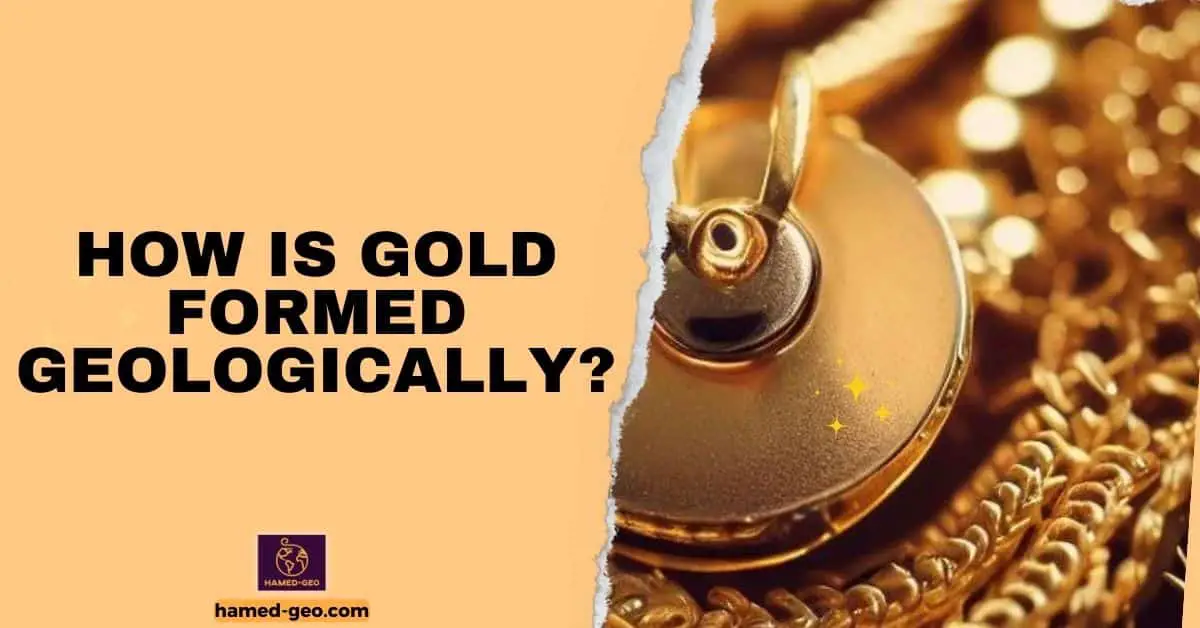
Ever wonder where gold actually comes from? Like, not the “dug up from the ground” part—but the real origin story? I mean, we slap it on rings, hoard it in vaults, call it “precious”… but most of us have no clue it started its life exploding in space. Seriously, it’s wilder than any Marvel origin.
Here’s the thing: gold wasn’t born here. Nah, it got forged in the death throes of massive stars—you know, the kind that go supernova. Picture this: insane heat, pressure crushing atoms together like a cosmic fist… and bam, gold atoms pop into existence. Then? That stardust gets blasted across the universe. Some of it even hitched a ride on the space junk that eventually clumped into our planet. Mind = blown, right?
But wait—it’s not just floating around Earth like glitter in a toddler’s room. Nope. Once it settled in the crust, hot, mineral-rich fluids (think: Earth’s own underground hot springs) started doing their thing. They’d seep through cracks, cooking gold into veins over millions of years. That’s why miners chase it in quartz deposits—it’s literally the planet’s leftovers from a stellar bar fight.
Funny how we call it “precious,” huh? When really, it’s just… space debris that got lucky. I tried panning for it once as a kid (total waste of time—found exactly one flake). But knowing it survived a supernova? Makes that flake feel kinda epic. Anyway, stick with me—I’ll walk you through how stardust becomes your grandma’s wedding band.
Gold Formation Process
Okay, so gold? Yeah, that shiny stuff everyone’s nuts about. Turns out it’s not just lying around waiting for pirates. Nah—it’s born from total chaos deep underground. Picture this: scalding-hot water, packed with minerals, squirting through cracks in rocks like a busted fire hydrant. That’s hydrothermal deposition—fancy term for “hot water dumps gold where it cools.” Kinda wild, right?
Then there’s magma. Not the cool lava stuff you see in videos, but the slow-cooker version churning below volcanoes. As it cools? Gold gets shoved out into neighboring rocks, like syrup oozing from a pancake. I always mix up “igneous intrusion” with… wait, no, let’s backtrack. Point is: magma’s basically a gold-pusher.
But here’s where it gets gritty: weathering. Rain, wind, time—they beat the crap out of gold-bearing rocks until tiny gold flecks break free. Ever panned for gold in a creek? That’s erosion doing its thing, shuffling particles downstream. Fun fact: most nuggets you find? They’ve been tumbled and polished by rivers for thousands of years.
Oh! And veins—those glittery cracks in stone. They’re not just cracks; they’re gold’s VIP lounge. When earthquakes or pressure splits rocks? Hot fluids rush in, drop gold like confetti, and bam: instant treasure map. Volcanoes? Total game-changers. They’re not just blowing smoke; they’re cranking up the heat and pressure like a cosmic pressure cooker. Without ’em? Gold’d be scattered thin as cheap glitter.
Honestly, it’s less “intricate process” and more “geological bar fight.” Miss one piece—volcanoes sleeping, water too cold, no cracks to fill—and poof. No bling. Call me weird, but I’d take muddy creek panning over textbook definitions any day.
Hydrothermal Deposition
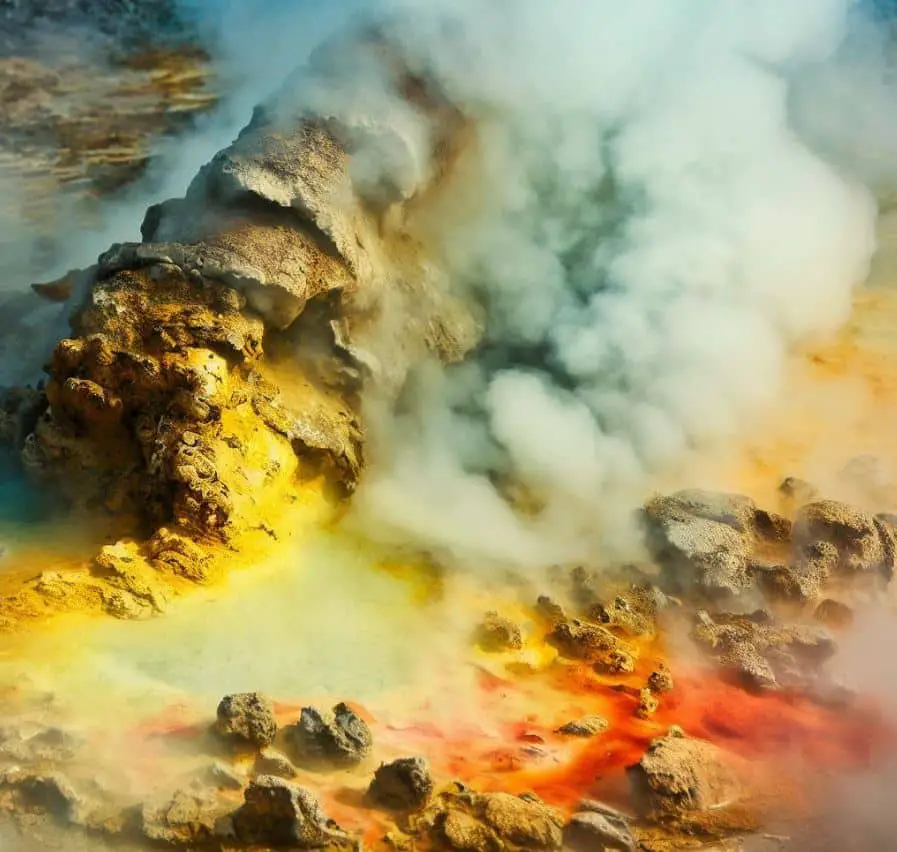
So, ever wonder how gold ends up inside rocks? Okay, picture this: superheated water like, scalding hot, way past boiling sneaks into cracks deep underground. We’re talking temps around 374°C? (Yeah, that’s 700+°F. Hotter than your oven on “self-clean,” trust me.) This water’s not just sitting there, though. It’s dissolving the surrounding rock, slurping up minerals like a geological smoothie. Gold’s in there too, believe it or not.
Thing is, this whole process? Painfully slow. We’re not talking days or years—it’s thousands of years. Sometimes millions. Like, your great-great-great-(add a few hundred more “greats”)-grandkids’ grandkids might still be waiting. But here’s the cool part: when that hot water finally cools down? Boom. Minerals drop out, filling those cracks with shiny deposits. Gold included.
Miners call the jackpot veins “bonanza”—and yeah, it’s as wild as it sounds. Some of these suckers pack nearly a ton of gold per, uh, ton of rock? (Wait, no—grams. Like, 1,000 grams per tonne. Still crazy, right?) Anyway, these veins? They’re why we’ve got gold jewelry today. Honestly, it’s nuts to think all that glitter started as scalding water seeping through the Earth’s crust. Reminds me of that time I spilled coffee on my field notes in Nevada—except, you know, way less sticky and way more valuable.
Igneous Intrusion
Okay, so remember how we talked about those dark, heavy rocks way back? Yeah, the ultrabasic ones—super low on silica, packed with iron and magnesium? Well, hold that thought, because now we gotta talk about how igneous intrusions basically roll out the red carpet for gold. Seriously, this stuff is wild.
Picture magma not the lava-spewing kind, but the slow cooker stuff deep underground. It’s oozing up from the mantle, squeezing into cracks in the crust like warm peanut butter in a sandwich. As it cools? Gold hitchhikes along, dissolved in that molten mix. Then bam the magma solidifies, and gold just… crystallizes. It’s lazy, y’know? Gold doesn’t react with much, so it gets locked inside minerals like it’s playing hide and seek. Stays put for millions of years until something like erosion or a fault line finally pries it loose.
Here’s the kicker though: this isn’t just some random fluke. Gold deposits? They cluster around old intrusion spots—think volcanic necks or ancient magma chambers. Ever wonder why places like South Africa or Nevada have so much gold? This is why. And get this: because gold’s so darn stubborn (chemically speaking), it’s actually easier to spot in these rocks. Like finding glitter in mud.
Wait—did I mention how slow this all is? We’re talking geologic time. One minute you’re magma, the next—boom—centuries later, some prospector’s panning your cooled-down guts for treasure. Kinda makes you stare at the ground differently, huh?
Weathering and Erosion
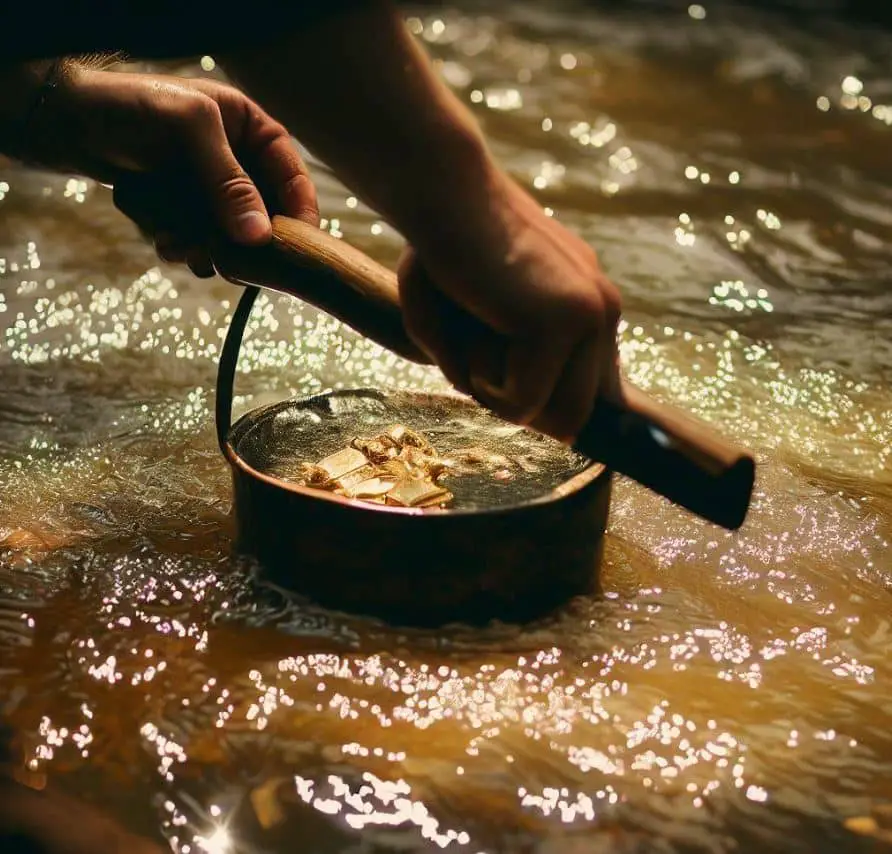
Alright, so forget those molten rock nightmares for a sec—let’s talk about something way more everyday: rocks getting wrecked by weather and erosion. Seriously, it’s wild how this slow-mo chaos actually makes gold deposits you can pan for. Like, picture this: gold’s locked inside some old rock, right? Rain, wind, freeze-thaw cycles—they just grind that rock down over centuries. Boom: gold flakes get kicked loose.
Then? Water or wind scoops those flakes up and hauls ’em away. That’s erosion doing its thing. And here’s the cool part gold’s hella dense, so when the water slows down (like in a river bend), the gold plops to the bottom while lighter stuff keeps floating. We call those spots “placers,” basically nature’s recycling bins for shiny stuff. Fun fact: I once saw a guy pull a nugget the size of his thumb from a creek bed after a storm—that’s placer magic.
But wait—it’s not just Mother Nature. We’re messing with this too. Chop down trees (thanks, deforestation), or dig recklessly (cough mining cough), and suddenly erosion’s on steroids. One study I read—can’t recall the journal, but it was legit—showed erosion rates jumped 300% near clear-cut forests. Gold washes out way faster when there’s no roots holding soil. Kinda ironic, huh? We’re literally speeding up the very process we’re trying to mine.
Honestly, it’s a wake-up call. If we wanna dig gold without wrecking everything, we gotta respect how weathering actually works. Not just “oh, rocks break,” but why—and how our shortcuts backfire. Because yeah, gold’s shiny, but the planet’s got its own timeline. And trust me? It’s not impressed by our rush jobs.
Geology of Gold Deposits
Okay, so here’s the thing about gold deposits—they’re way messier than you’d think. Like, you’ve got lode deposits? That’s just gold locked tight in solid rock, sitting there stubborn as a mule. But then—wait, hold up—vein deposits are totally different. Ever wonder why old-timers smashed quartz all day? ’Cause that’s where the glitter hides: gold snaking through quartz veins like veins in your arm. Gross analogy, sorry.
And don’t get me started on intrusive deposits. Ugh. That’s gold cozying up to intrusive igneous rocks—think granite or gabbro, the kinda stuff that oozed up from deep underground ages ago. Alluvial deposits? That’s the fun part. Picture panning in a creek: gold washed loose by water, dancing in the sediment like it’s on vacation. (Pro tip: if you’re ever actually panning, skip the movies—real alluvial gold’s way tinier than they show.)
Oh! And “gold in quartz”? Yeah, that’s basically a subset of vein deposits—but folks keep saying it like it’s its own thing. Sigh. Geologists, am I right? Honestly, untangling how these form whether it’s magma cooling slow, rivers reshaping the land, or quartz veins cracking open like eggshells it’s all about patience. And luck. Mostly luck.
Wait, did I just say “cozying up”? Whatever. Point is: gold’s sneaky. It hides where you’d least expect… or where the Earth decided to get creative. Which, honestly? Kinda beautiful.
Lode Deposits
Alright, buckle up—we’re diving into gold deposits now. Forget how it forms; let’s talk where we actually find the stuff. First up? Lode deposits. (Wait, is it “lode” or “load”? No, definitely lode. L-o-d-e. Gotta get that right.)
So, lode deposits? They’re kinda like gold’s main squeeze the OG source. Picture this: super hot, pressurized fluids sneaking into cracks in ancient rocks deep underground. Think of it like soda fizzing into a crumpled can you know, how it seeps into every nook? Yeah, that. Those fluids carry gold, and when they cool off? Poof. Solid gold veins. Not the shiny nuggets you see in cartoons, though more like gritty, mineral-packed threads snaking through the rock. Super dense stuff.
Geologists hunt these down using maps, rock tests, magnetometers—you name it. Drill holes, cross fingers, hope you hit paydirt. They’re usually hiding in really old rocks, like those greenstone belts (sounds fancy, but honestly? Just ancient volcanic leftovers). Take South Africa’s Witwatersrand Basin—the gold motherlode. Seriously, that place is so rich it’s almost unfair. (I saw a doc once where they joked it’s basically a gold sponge. Kinda stuck with me.)
Here’s the thing, though: lode deposits aren’t the only game. There’s also placer deposits—where gold gets washed into rivers and stuff—but we’ll get to those later. Focus, me. Point is, without lodes? Gold rush dreams would’ve been over before they started. Ever wonder why old-timers panned rivers after striking it rich inland? Yeah. Follow the veins.
Vein Deposits
Okay, so we’ve geeked out over how gold actually forms (seriously, cosmic explosions? Mind-blowing), but let’s talk about where we find the stuff. Real talk: vein deposits are where the magic happens for old-school prospectors. Picture this—you’ve got hot, mineral-packed fluids oozing through cracks in rock, like soda seeping into a broken sidewalk. Then bam, it cools and hardens into these glittery veins. Most of the time? It’s gold trapped in quartz—those milky-white streaks you see in old mining pics. And get this: some veins are thinner than your phone, while others? Massive hulks you could live in. Gold’s usually hiding where the quartz gets extra thick, like it’s hoarding the good stuff.
Take California’s Mother Lode—total legend. I mean, everyone knows the Gold Rush stories, right? Miners went bonkers for these quartz veins. Whole towns sprang up because of ’em. It’s wild how one little fracture zone could change history, honestly. (Fun fact: I visited a mine there once—still gives me chills imagining pickaxes hitting gold after centuries of silence.)
But hey, don’t zone out yet. This is just vein deposits. There’s also lode deposits—wait, no, scratch that, lode is basically just another word for vein deposits, ugh, geology terms are the worst—and alluvial deposits (river gold, baby!). Seriously though, stick around. Next up? We’re diving into how rivers literally wash gold into your pocket. You won’t believe how simple it is.
Intrusive Deposits
Okay, so we’ve got how gold forms—now let’s talk about where it actually hides. And honestly? The juiciest spots are these things called intrusive deposits. (Geologists also call ’em magmatic deposits, but honestly, that term makes my eyes glaze over—stick with “intrusive,” it’s less pretentious.)
Here’s the kicker: gold’s basically the couch potato of elements. Super dense, right? So when magma’s churning around deep underground, gold just… sinks. Like, all the way to the bottom of that molten chamber. Ends up chilling with other heavyweights—iron, nickel, you name it. Kinda like the cool kids’ table, but for rocks.
And get this: you’ll rarely find pure gold just sitting there. Nah—it’s usually tangled up with copper and other metals in these gritty sulfide ores. Pyrite, maybe chalcopyrite… the messy stuff. Concentration? Wildly all over the place. Sometimes it’s barely a whisper—a few parts per million—and other times? Up to 1%. Not bad for something that started as magma soup.
Wait, no—scratch that. Why does this even matter? ’Cause these deposits only pop up where Earth’s throwing a tantrum. Think tectonic chaos: the Andes crunching together, or Nevada’s Carlin Trend (which, fun fact, I hiked through last year—dusty as heck, but whoa, the gold stories there!). Those spots? They’re basically gold’s VIP lounge.
Funny thing is, though—most folks don’t realize how finicky this process is. One wrong move in the magma’s chemistry, and poof… no gold. Just regular ol’ rock. Makes you appreciate that wedding ring a little more, huh?
Overview of Gold Formation
So, gold. Right? Gotta start with what the stuff actually is, yeah? I mean, we all know it’s shiny and makes people go nuts—but chemically? It’s just this super chill element that doesn’t wanna react with anything. Kinda like that one friend who avoids drama at all costs. Anyway, once you wrap your head around that, things get wilder: turns out gold’s been around since, well, forever. Like, before-Earth forever. Cosmic explosions? Yeah, those spat it out. Mind-blowing, right?
Which brings me to nuggets—the real treasure. Not the fancy bars banks hoard, but lumpy bits you’d actually find in a creek. How’d they even form? Picture this: molten rock oozing through cracks, gold tagging along like a hitchhiker. Then—bam—it cools slow-mo underground, clumping into nuggets over, what, millions of years? Feels like cheating nature, honestly.
Oh! And tectonic plates? Total unsung heroes here. Those giant crust-slices grinding against each other? They’re basically gold’s Uber—shuttling it around, smashing deposits into mountain ranges, even hiding it deep where we’ll never dig. Crazy how something so tiny (a speck of gold!) needs planetary-scale drama to exist. I was gonna say it’s poetic… nah, scratch that. It’s just cool.
What Is Gold?
So, gold, right? Forget the geology rabbit hole for a sec—let’s get down to brass tacks: what even is this stuff? You know it as that shiny “Au” on the periodic table (yeah, from the Latin aurum—fancy, huh?), but here’s the kicker: it’s basically the chillest element out there. Like, it hates reacting with anything. Oxygen? Meh. Water? Whatever. That’s why your grandma’s ring still gleams after 50 years while silver tarnishes faster than you can say “tarnish.” Wild, right?
Pure gold’s got this stupid-bright yellow glow—kinda like liquid sunshine—that’s made it jewelry royalty for, what, thousands of years? And it’s dense, like, weirdly heavy for its size. Hold a nugget the size of a pea, and it’ll thunk in your palm like a tiny paperweight. But the real magic? Mash it with a hammer, and it flattens into foil thinner than hair (malleable, they call it). Pull it into a wire? No sweat—ductile as heck. Oh, and it conducts electricity like a champ, which is why your fancy gadgets probably have a whisper of gold inside ’em.
Honestly, it’s not just a status symbol (though yeah, it screams “I made it”). It’s this weird little paradox: ancient kings hoarded it, but scientists geek out over it today ’cause it’s so… unbreakable. Ever held real gold? There’s this weight to it—not just physical, y’know? Like, it’s heavy with history. Makes you wonder: is it valuable ’cause it’s rare, or ’cause we decided it was?
Properties of Gold
Okay, so we’ve geeked out over how gold hides in the Earth—now let’s talk about why we’re all obsessed with the stuff once we dig it up. Gold, or “Aurum” if you wanna sound fancy (seriously, who picks that name?), isn’t just shiny yellow junk. Nah, it’s got this weird combo of traits that make it… well, gold.
First off, it’s stupidly heavy—like, 19.3 grams per cubic centimeter heavy. For real? A gold brick the size of your phone would feel like you’re lifting a dumbbell. But here’s the wild part: despite being dense as heck, you could hammer a single ounce into a sheet thin enough to see through. I’m not joking—like, thinner than plastic wrap. Try doing that with iron.
And get this: it never tarnishes. Ever. Leave it in seawater for centuries? Still blindingly shiny. Your grandma’s ring? Same gleam as the day she got it. Most metals would’ve turned crusty, but gold’s just… chill. Like, “meh, corrosion? Not today.”
Oh! And it conducts electricity way better than copper—hence why your phone’s guts are crawling with microscopic gold wires. Bet you didn’t sign up for an electronics lesson, huh? But wait—there’s a catch. Gold laughs off most acids (seriously, pour vinegar on it all day, nothing happens), but throw it in aqua regia—this nasty mix of nitric and hydrochloric acid—and poof. Dissolves right there. Miners use that trick to purify it, which feels kinda poetic? Like even kings’ metal has its kryptonite.
Honestly, it’s the weirdness that makes gold gold. Heavy but bendable. Noble but dissolvable. It’s why we’ve hoarded it for millennia—not just ’cause it’s pretty, but ’cause it behaves like nothing else. Ever tried molding lead into foil? Yeah, didn’t think so.
Gold’s Geological History
Okay, so here’s the wild thing about gold—you know, the shiny stuff in your grandma’s ring? Turns out, it shouldn’t even be here. Like, at all. When Earth was basically a molten lava ball cooling down, gold—the diva of dense metals—just sank straight to the core. Poof. Gone. Should’ve been game over for bling.
But wait—plot twist! Roughly 200 million years later (Earth was still basically a toddler, geologically speaking), space rocks started slamming into the surface. And get this: those meteorites? Packed with gold. Total cosmic hand-me-downs. So all the gold we dig up today? Yeah, that’s basically space junk that hitched a ride after the planet formed. Crazy, right?
Then Earth got busy doing its yoga poses—tectonic plates stretching, crunching, you name it. All that squeezing and folding? It hauled some of that deep-crust gold up toward the surface where we can actually mine it. Honestly, it’s like the planet decided to cough up its treasure chest. So next time you see a gold nugget, remember: it survived a meteor shower and a continental collision. Wild stuff.
Gold Deposits
Okay, so if you wanna wrap your head around gold deposits, first things first—you gotta get where the stuff actually hides out. Like, literally where. Because gold isn’t just sprinkled everywhere like glitter at a toddler’s birthday party (trust me, I’ve panned rivers and found nada). It’s picky—super picky. You’ll spot it mostly in these gnarly old mountain belts or where continents decided to smash into each other way back when. Think the Andes, or maybe those wild gold rushes in California? Yeah, those spots.
But wait—here’s where it gets messy. Gold doesn’t just sit there in neat little piles. Nah. It’s all over the place in types. Some’s locked up in quartz veins like chocolate swirls in a marble cake (that’s “lode gold,” by the way). Other bits get washed downstream and settle in riverbeds—hello, panning gold! And get this: sometimes it’s even hiding in plain sight inside rocks that don’t look shiny at all. Wild, right?
Now, global spread? Honestly, it’s kinda lopsided. South Africa’s got those deep, ancient deposits that kept mines running for decades. Australia’s swimming in it too. But if you’re hunting in, say, your backyard? Probably not. (Unless you live near the Yukon. Then maybe pack a pan.) Point is, gold’s playing hard to get—concentrated in weird, specific spots while half the world’s scratching their heads.
Which brings me to primary deposits. Ugh, geology terms. Basically, this is gold as it formed—still cozy in the rock it was born from, not yet kicked around by rivers or glaciers. Picture molten rock cooling underground, and gold just… deciding to chill there. It’s the OG setup, before erosion starts moving things around. Kinda poetic if you think about it—like finding a fossilized secret.
Ever held real gold? That warm weight in your palm? Yeah. That all starts here. Anyway, back to the rocks…
Where Is Gold Found?
So you know how we all dream of striking gold—literally, like, pirate-treasure gold? Turns out, Mother Nature’s way pickier than we think. Gold ain’t just scattered willy-nilly across the planet; nah, it’s got this whole vibe—specific spots where the geology gods said, “Yeah, here’s where we dump the shiny stuff.”
Here’s the kicker: most gold’s hanging out where hot, mineral-rich water’s been bubbling up through cracks for, like, millennia. Picture it—steamy underground springs forcing gold into quartz veins (not “quarts,” lol—quartz, spelled weird, I know). And then there’s the “lazy gold” scenario: rocks wearing down over time, gold getting washed away by rivers, and just… chilling in gravel beds. You’ve seen those old prospectors panning in creeks? That’s the alluvial stuff—nature’s recycling program.
Now, where’s the big paydirt? Australia’s got that massive Super Pit in Western Oz—honestly, it’s insane how deep they’ve dug. South Africa’s Witwatersrand Basin? Total gold motherlode; they’ve been pulling nuggets from there since, what, the 1880s? And Nevada’s Carlin Trend—fun fact, it’s not the glittery veins you see in movies. Nah, this gold’s microscopic, mixed in with limestone. Geology nerds like me get weirdly excited about that kinda thing.
Wait, did I mention why these places? It’s all about the ancient drama: volcanic tantrums, tectonic plates doing the cha-cha, and hot fluids playing connect-the-dots with gold particles. No volcanic tantrum? No gold party. Simple as that.
Honestly though—next time you see a gold ring, remember: it probably survived a 3-billion-year journey from some magma chamber straight to your finger. Wild, right?
Different Types of Gold Deposits
Okay, so picture this: you’re knee-deep in some icy creek, panning for gold like those old-timers in the Klondike. Cold, right? But here’s the kicker—most folks think all gold’s just lying around in streams like shiny confetti. Nah. The real story’s way wilder, buried deep in the earth’s bones. Let me break it down before I lose my train of thought…
First off, placer deposits—yeah, the “easy” kind. Rain and rivers chew up old gold veins over centuries, spitting out flakes into creek beds. Honestly? Mining these feels like cheating. Grab a pan, swirl some mud, and bam—you might score. But don’t get cocky. The real headache? Hard rock deposits (or “lode,” if you wanna sound old-school). These suckers are locked inside solid rock—quartz veins tougher than my grandma’s meatloaf. Drill, blast, curse the geology gods… it’s a whole saga.
Wait, hold up—there’s more. Ever heard of epithermal deposits? Volcanoes basically sweat gold near the surface, hot as blazes. Then there’s intrusive deposits, way deeper down where the crust’s like a pressure cooker. Both feed half the world’s gold, but good luck reaching ’em. Oh! And IOCG deposits (say that after three beers)—iron oxide copper gold types. Miners love these ’cause you get copper and gold for the price of one headache. Win-win? Mostly.
Thing is, I used to think “placer = simple, hard rock = nightmare.” But after that trip to Nevada last year? Man, the earth’s sneaky. One minute you’re ankle-deep in silt finding nuggets; the next, you’re staring at a mountain wondering, “How the heck did Mother Nature tuck this much treasure in here?” Makes you feel small, y’know? Like gold’s been playing hide-and-seek with us since the dinosaurs kicked the bucket.
Anyway—point is, it’s never just rocks. It’s a damn adventure. You ever tried panning? Tell me I’m wrong.
Gold Distribution Worldwide
You know how gold’s whole “born in supernovae” thing feels almost too poetic? Yeah, well, let’s get real—where we actually find the stuff on Earth? Total lottery. Some spots are just swimming in it, while others? Nada. Take South Africa—dude’s been hoarding gold since, like, forever. Over a century of digging up those shiny nuggets near Johannesburg. But wait, plot twist: China’s been quietly crushing it lately. Seriously, they’re #1 now? Wild. And Australia? Russia? The U.S.? All chipping in, sure, but nowhere near China’s output.
Remember that massive hole-in-the-ground mine in Western Australia—the Super Pit? Yeah, that one. It’s basically a gold geyser turned inside out. And South Africa’s Witwatersrand Basin? Still holds the world’s biggest stash, no contest. But here’s the thing—I keep rereading this because it feels outdated already. New tech pops up every Tuesday, and suddenly some random hill in Ghana’s got more gold than your grandma’s jewelry box. Exploration’s a total rollercoaster.
(Quick tangent: I swear, last week I read about drones sniffing out gold veins via soil chemistry? Drones. Anyway—)
Point is, gold’s never evenly spread. It’s greedy like that. But honestly? Doesn’t matter if you’re in Siberia or South Dakota—you still want it. Always will. That’s the weird part, y’know? Like, we’ve known it’s rare for, what, 6,000 years? And yet… still chasing it. Call me sentimental, but that’s kinda beautiful. Or maybe I just need more coffee.
Okay, wrapping this up—gold? Total rockstar of the mineral world, but honestly, its origin story’s wilder than a Marvel plot. Picture this: it starts way out there, in the guts of dying stars. Like, supernovae exploding and smashing atoms together—nuclear fusion on crack, basically. Then bam, all that star-guts gets blasted into space, drifting for billions of years until meteorites decide Earth’s the perfect pitstop. Kinda nuts when you think about it, right? We’re literally wearing space debris.
Now, once it recieves (wait, receives—ugh, autocorrect hates me) a spot here, gold gets weird. It doesn’t just chill in one place. You’ll find it squished in quartz veins like glitter in sidewalk cracks, or washed up in riverbeds as those shiny flakes panners drool over. And the real headache? Geologists still argue about how it all clumps together. Is it from hot fluids seeping through rocks? Ancient bacteria playing alchemy? (My prof swears microbes helped—call me skeptical, but hey.) Point is, gold’s everywhere because Earth’s geology is a total drama queen: shifting plates, volcanic tantrums, you name it.
Here’s the kicker though—it’s not just that gold’s rare. It’s that the whole cosmic Rube Goldberg machine had to align perfectly: star death → space travel → Earth’s chaotic makeover. Miss one step? Poof, no bling. Makes you wonder, doesn’t it? All that history in a wedding ring… or my grandma’s tarnished locket. Wild.